Lentils in Indian Cooking: How to Cook, Pair, and Avoid Common Mistakes
When you think of Indian food, you’re probably thinking of lentils, a staple legume used daily across India in soups, stews, and side dishes, often called dal. Also known as dal, lentils are more than just protein—they’re the quiet hero of every home kitchen, from Mumbai rooftops to village hearths. They’re cheap, filling, and packed with nutrients, but get them wrong, and you’re stuck with mushy, bland, or hard-to-digest mush. The secret isn’t fancy spices—it’s timing, technique, and knowing which lentil does what.
Not all lentils are the same. masoor dal, red lentils that cook fast and turn creamy is your go-to for weeknight meals. toor dal, yellow pigeon peas, the base of sambar and most South Indian dals needs longer soaking and careful seasoning. And then there’s chana dal, split chickpeas, chewy and nutty, used in snacks and curries. Each one has its own soaking time, cooking rhythm, and best pairings. Skip soaking? You’ll pay for it with bloating. Overcook? You’ll lose texture. Underseason? You’ll waste the whole pot.
People don’t just eat dal—they live with it. It’s served with rice for lunch, rolled into roti for dinner, and sometimes even eaten cold as a snack. The right side dish turns plain dal into a meal you crave. raita, yogurt mixed with cucumber and spices cools it down. Pickles add punch. Fried onions give crunch. And let’s not forget the humble roti, soft flatbread made from whole wheat, perfect for scooping up every last drop. These aren’t extras—they’re essentials.
Some folks swear you shouldn’t eat dal at night—it’s heavy, slow to digest, and can mess with sleep. Others say it’s fine if you cook it right. The truth? It depends on the type. Masoor dal is lighter than urad dal. And if you soak it long enough, it’s easier on your stomach no matter the hour. That’s why knowing how long to soak each kind matters more than any spice blend.
What you’ll find below isn’t just recipes. It’s the real talk—why your dosa batter ferments the way it does, how to fix a bland dal, what to serve with it so it doesn’t feel like a chore, and why that one trick with lemon juice makes your paneer better. You’ll learn how to avoid the mistakes everyone makes, and how to make lentils taste like they’ve been simmering all day—even if you only had 20 minutes.
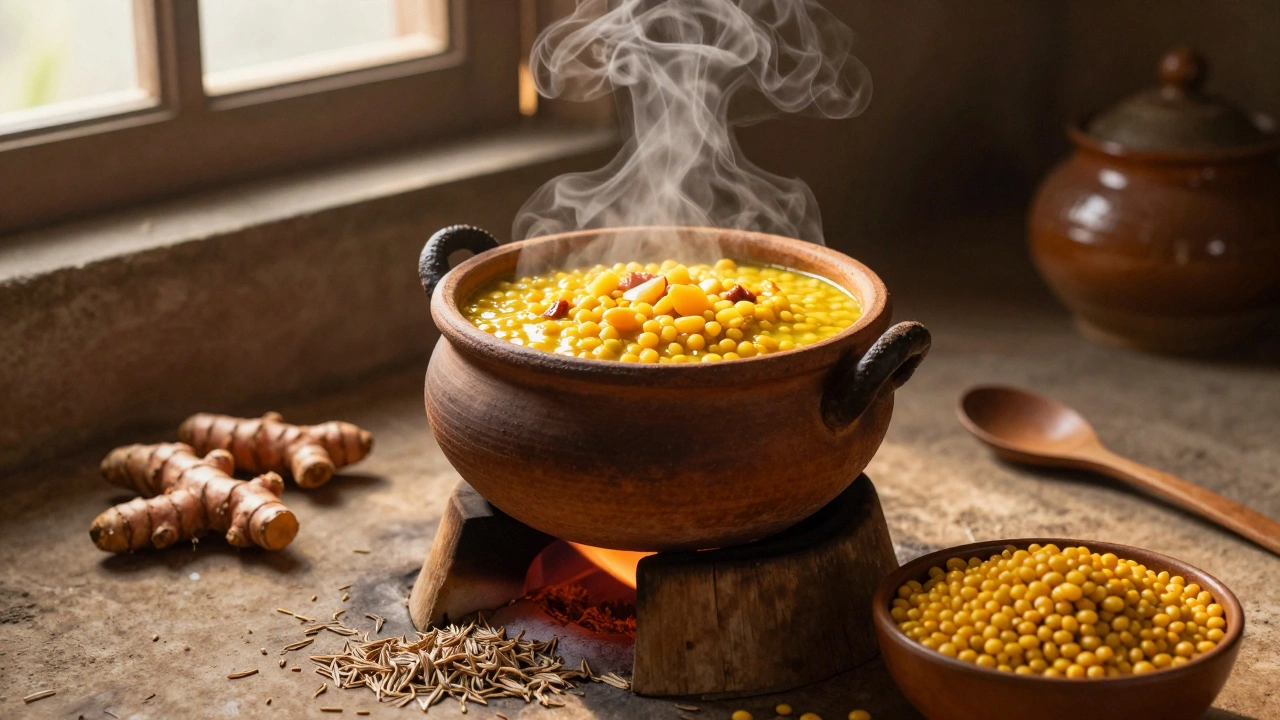
What Is the Number 1 Healthiest Food in India? The Real Answer Behind Healthy Indian Snacks
The healthiest food in India isn't a trendy superfood - it's moong dal, a humble lentil eaten daily across the country. High in protein, fiber, and easy to digest, it beats processed snacks and supports long-term wellness.
Read More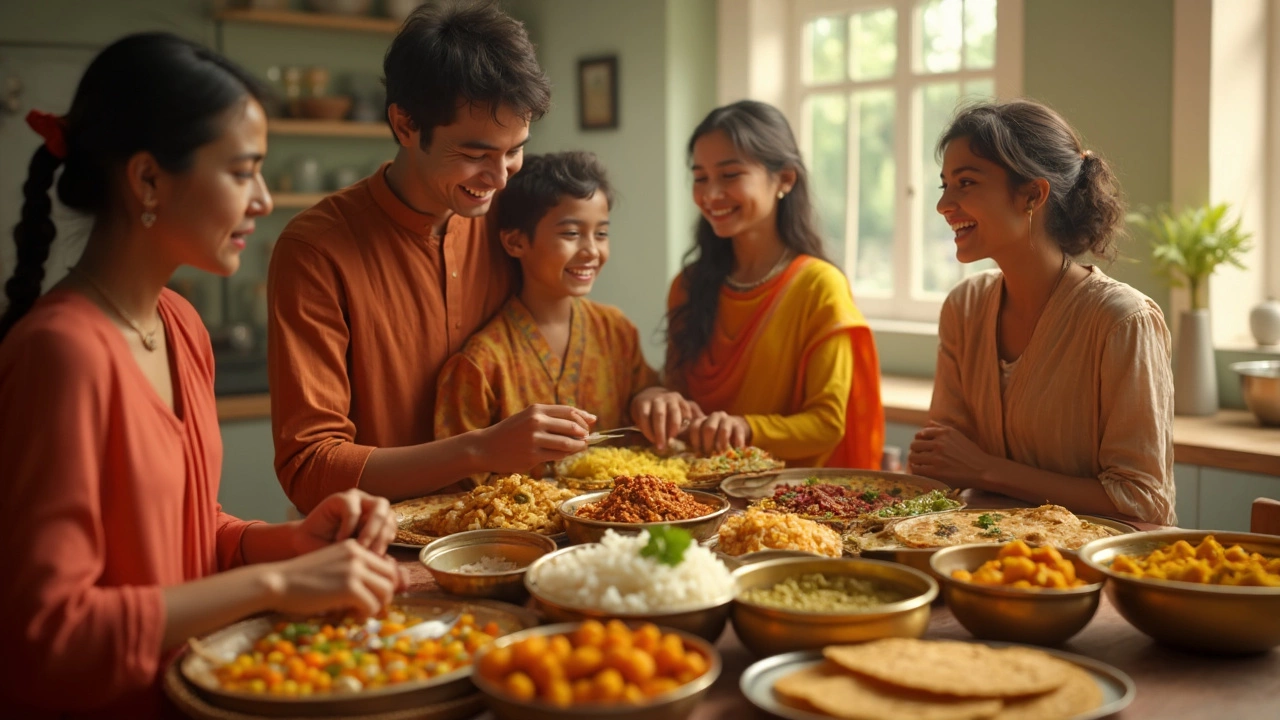
Why Dal Is Not Just a Protein: The Truth About Your Everyday Staple
Dal is often called a protein source, especially for vegetarians in India, but does it really give you enough protein on its own? This article unpacks why dal can’t be seen as a complete protein, looks at its actual nutritional value, and explains how you can make your dal meals healthier. Find out what makes up a complete protein, why dal falls short, and how to balance your dal with other foods. There are some smart tips for turning basic dal into a more nutritious dish. Perfect for anyone who wants to eat better without giving up their favorite dals.
Read More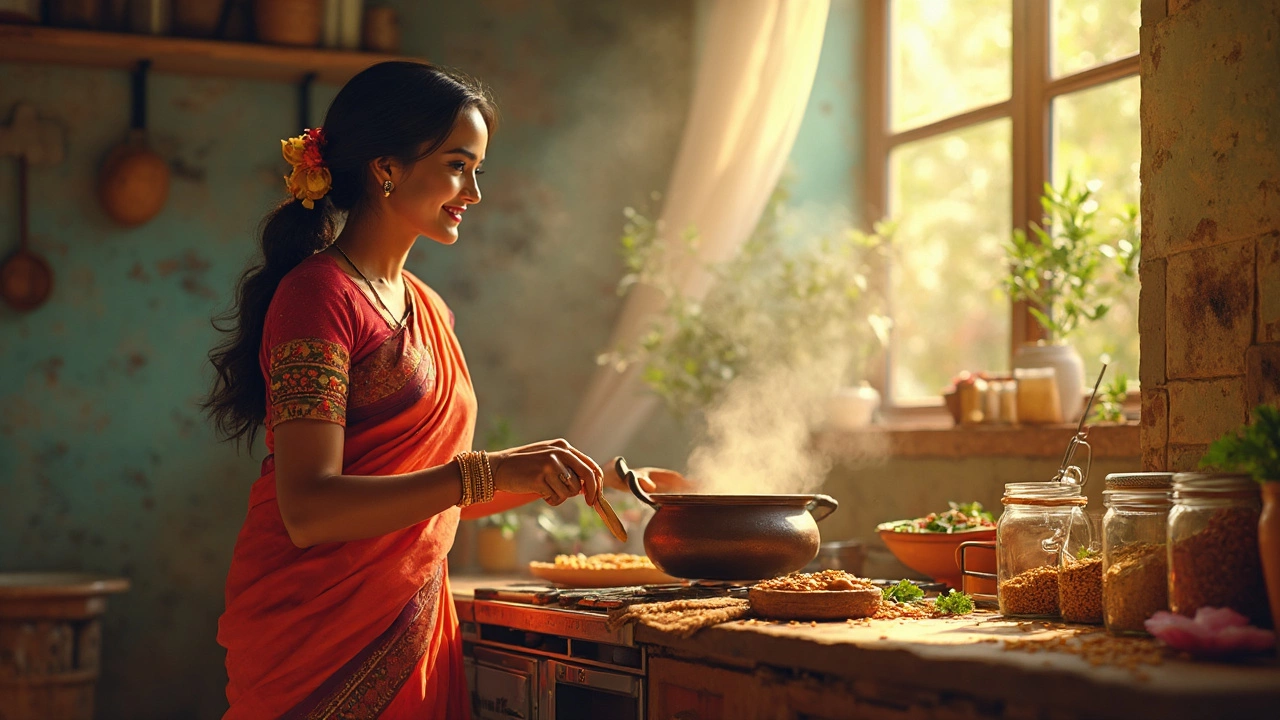
Do Lentils Clean Your Gut? Simple Dal, Surprising Gut Benefits
Ever wondered if lentils can help clean your gut? This article digs into how simple dal recipes are packed with nutrients and fibers that benefit your digestive system. Find out what happens inside your gut when you eat lentils, why Indian kitchens swear by dal for smooth digestion, and how you can get those gut-boosting perks at home. Expect clear answers, science-backed facts, and easy recipes. Walk away knowing exactly what your next bowl of lentil soup can do for you.
Read More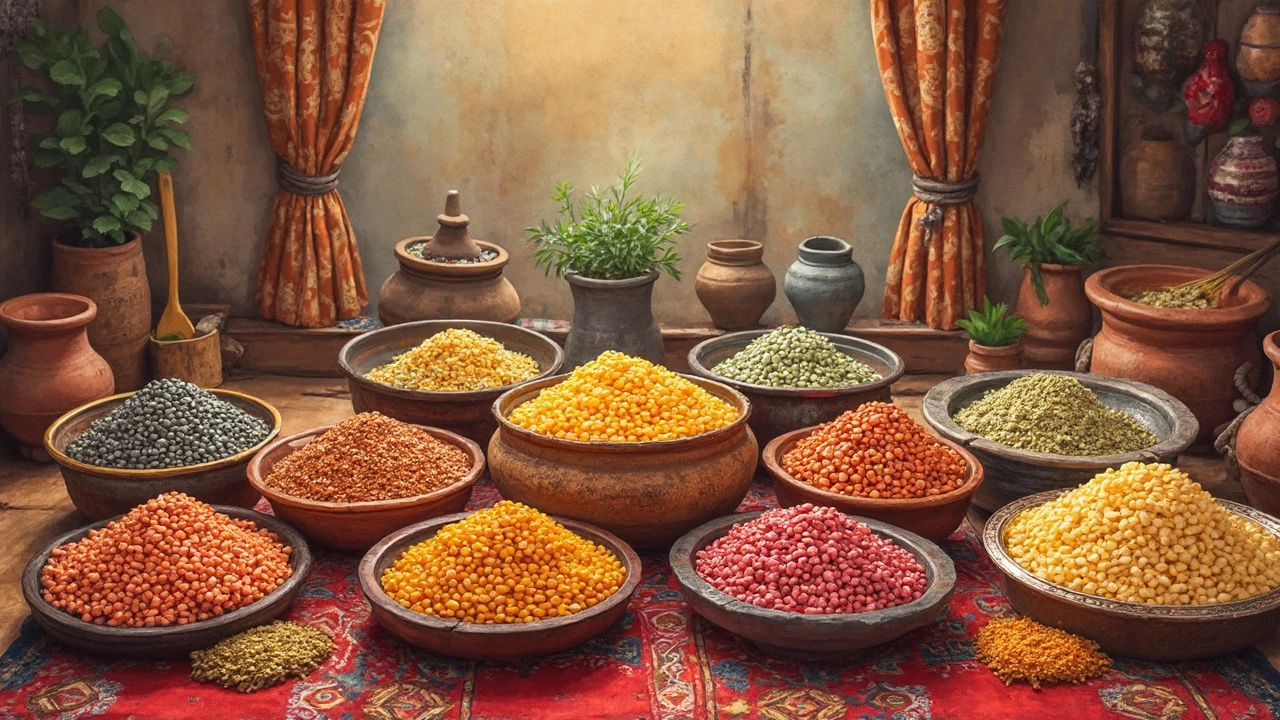
Dal vs Lentils: Are They Really the Same Thing?
Dal and lentils often get confused, but they have distinct roles in culinary traditions, especially in Indian cuisine. Dal refers to both the ingredient and the dish made from lentils or other legumes, while lentils are specific types of legumes themselves. Understanding the difference can elevate your cooking and appreciation of flavors. Learn how these two are used differently and the cultural significance they hold. Discover some tips to make your dal dishes a hit every time.
Read More