Jain Diet: What It Is, What You Can Eat, and Why It Matters
When people talk about the Jain diet, a strict lacto-vegetarian eating pattern based on the principle of ahimsa, or non-violence toward all living beings. Also known as Jain vegetarianism, it goes beyond avoiding meat—it excludes root vegetables, eggs, honey, and even certain fermented foods that might harm microorganisms. This isn’t just a food choice; it’s a spiritual practice followed by millions in India, especially in Gujarat and Rajasthan, where meals are planned around minimizing harm to life in all its forms.
What makes the Jain diet unique is how deeply it connects food with ethics. Dairy, especially milk, paneer, and ghee, plays a central role because it’s seen as non-violent when sourced ethically from cows that are cared for, not exploited. This is why you’ll find so many recipes on this site using milk, yogurt, and cheese—because Jain households rely on them for protein, energy, and flavor without breaking their core values. Unlike other vegetarian diets, the Jain diet also avoids onions, garlic, potatoes, and carrots because they grow underground and uprooting them kills tiny organisms and the plant itself. That’s why dishes like dal, rice, roti, and vegetable curries made with tomatoes, peas, and bottle gourd are staples—they’re clean, simple, and aligned with the principle of minimal harm.
The Jain diet isn’t about restriction—it’s about intention. It shapes how food is prepared, stored, and even consumed. Many Jains filter water to avoid ingesting microorganisms, eat only during daylight hours, and avoid cooking or eating after sunset. This level of mindfulness means that every recipe in this collection, whether it’s about making perfect paneer from milk or understanding why dosa batter ferments naturally, ties back to a deeper truth: food is sacred. You’ll find posts here that explain how to make dairy-based sweets like kheer and barfi without using honey or animal products, how to cook dal safely without night-time digestion issues, and why fermented foods like dosa are tricky under Jain rules. These aren’t just recipes—they’re guides to living with care, one meal at a time.
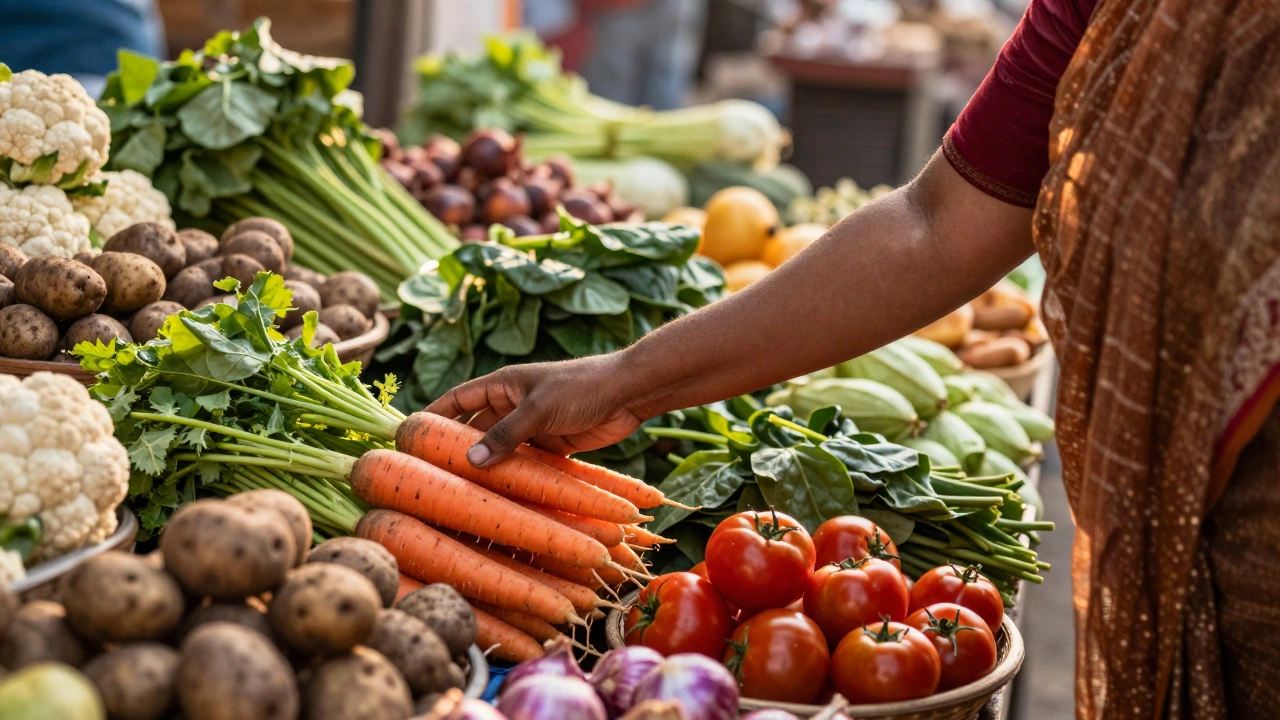
Why Jains don't eat carrot? Understanding Jain dietary restrictions and root vegetables
Jains avoid carrots and other root vegetables due to their belief in non-violence toward all living beings. This practice stems from spiritual principles, not diet trends, and reflects a deep commitment to minimizing harm in everyday life.
Read More