How to Make Biryani
When you think of biryani, a layered rice dish from India with spiced meat, herbs, and saffron. It's not just food—it's a celebration in a pot. Also known as biryani rice, this dish brings together tender meat, fragrant basmati, and slow-cooked spices in a way that feels both comforting and special. You don’t need a fancy kitchen or years of experience to make it. What you need is patience, the right spices, and a few simple techniques.
Biryani isn’t one single recipe—it’s a family of dishes. In Lucknow, it’s mild and aromatic. In Hyderabad, it’s bold and fiery. In Kolkata, it includes potatoes and boiled eggs. But no matter where you are, the core stays the same: rice, meat (or vegetables), onions, yogurt, and spices like cardamom, cloves, and cinnamon. The magic happens when you layer them and let the steam do the work. This method, called dum cooking, a slow-steaming technique where the pot is sealed to trap heat and flavor, is what turns good biryani into great biryani. And if you’ve ever wondered why your biryani turns out dry or mushy, it’s usually because the rice wasn’t par-cooked right, or the spices weren’t bloomed in oil first.
One thing most beginners miss? The raita, a cooling yogurt side dish often served with biryani. Also known as yogurt raita, it’s not just a garnish—it’s essential. The cool, tangy contrast cuts through the richness and balances every bite. Skip it, and you’re missing half the experience. You also don’t need to buy expensive saffron or fancy meat. A little turmeric for color, some fried onions for crunch, and even leftover chicken work just fine. The secret isn’t in the ingredients—it’s in the timing. Let the meat marinate overnight. Let the rice soak for 30 minutes. Let the layers rest for 15 minutes after cooking. Rushing any step ruins the texture.
And if you’re worried about it being too heavy? You’re not alone. Many people think biryani is just a calorie bomb. But with small tweaks—using less oil, choosing leaner meat, adding more veggies, or swapping white rice for brown—you can make it lighter without losing flavor. It’s still biryani. Just smarter.
Below, you’ll find real, tested recipes and fixes from people who’ve made biryani too many times to count. Some will show you how to fix soggy rice. Others will tell you why your spices taste flat. One even explains how to make biryani with broken milk—yes, really. Whether you’re cooking for your family, hosting guests, or just craving something warm and spicy, there’s a version here for you.
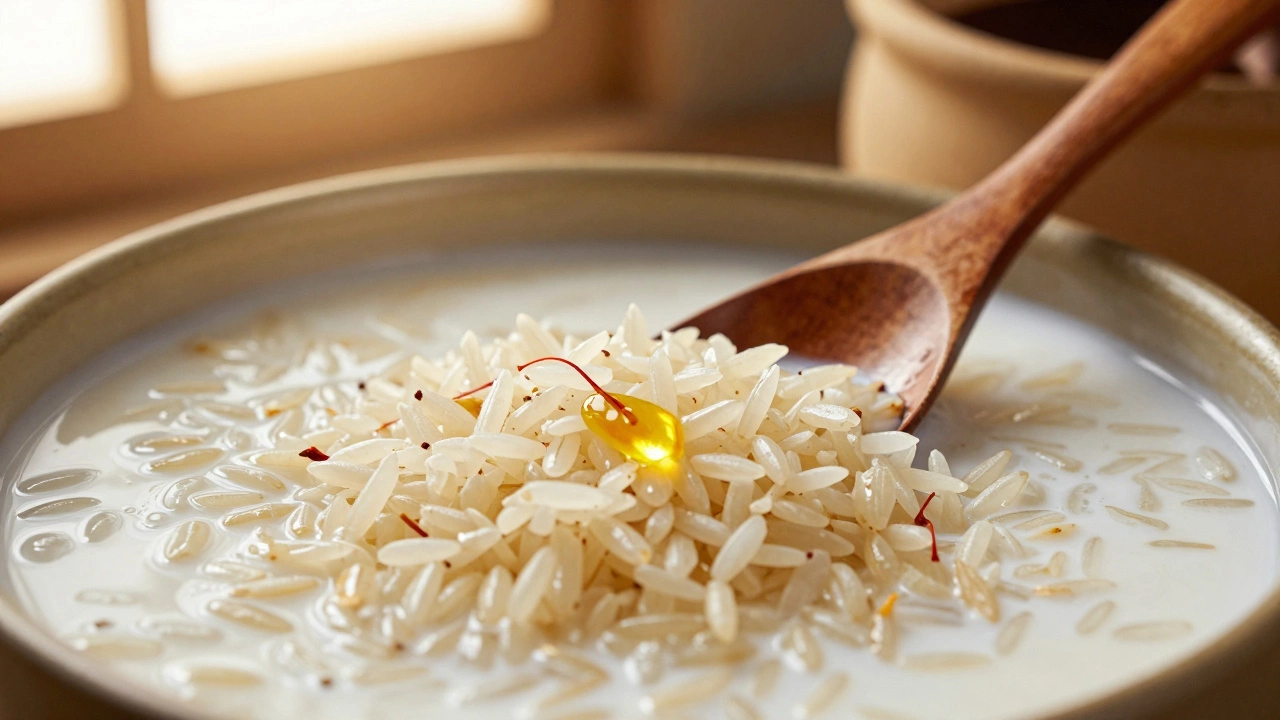
What Are the Mistakes While Making Biryani? Common Errors and How to Fix Them
Avoid these common biryani mistakes - wrong rice, overcooked grains, skipping dum cooking, and poor layering - to make restaurant-quality biryani at home every time.
Read More