Dosa Fermentation: How to Get Perfect Fermentation Every Time
When you make dosa fermentation, the natural process where rice and lentil batter rises and develops tangy flavor through wild yeast and lactic acid bacteria. Also known as traditional dosa batter rise, it’s what turns a simple mix of rice and urad dal into something light, crisp, and deeply flavorful. This isn’t magic—it’s biology. And if your dosas turn out flat, gummy, or bland, it’s almost always because this step was rushed, ignored, or messed up.
Most people think dosa batter just needs to sit overnight. But it’s not about time—it’s about temperature, texture, and balance. The right batter should be slightly thick, not watery. It needs warmth—around 28°C to 32°C—to wake up the microbes that do the work. In colder climates, placing the batter near a warm oven or in a turned-off microwave with a bowl of hot water makes all the difference. And no, adding yeast might make it rise faster, but it kills the natural tang and the probiotic benefits that come from real fermentation. Traditional dosa fermentation isn’t just about taste—it’s about digestibility. The lactic acid bacteria break down starches and phytic acid, making the batter easier on your stomach.
What you put in the batter matters too. Urad dal should be soaked separately from rice, then ground to a smooth, fluffy paste. Rice should be soaked just long enough to soften—too long and it turns mushy. The ratio? Usually 3 parts rice to 1 part urad dal. Salt? Add it after grinding, not before. And never stir the batter after fermentation starts—just gently fold it. The bubbles you see? That’s the good stuff. If you don’t see them after 8–12 hours, your environment is too cold, your dal was old, or your water was chlorinated. Tap water can kill the natural cultures. Use filtered or boiled-and-cooled water instead.
Some think fermentation is outdated. But in Indian homes, it’s still the only way. Even in cities, grandmothers keep batter jars on kitchen counters—not fridges. And the best dosas? They come from batter that’s been fermenting just right for a full day. It’s patience, not power, that makes the difference.
Below, you’ll find real stories from people who’ve cracked the code—what went wrong, how they fixed it, and why skipping shortcuts made all the difference. No yeast. No instant mixes. Just the old-school way that still works better than anything modern.
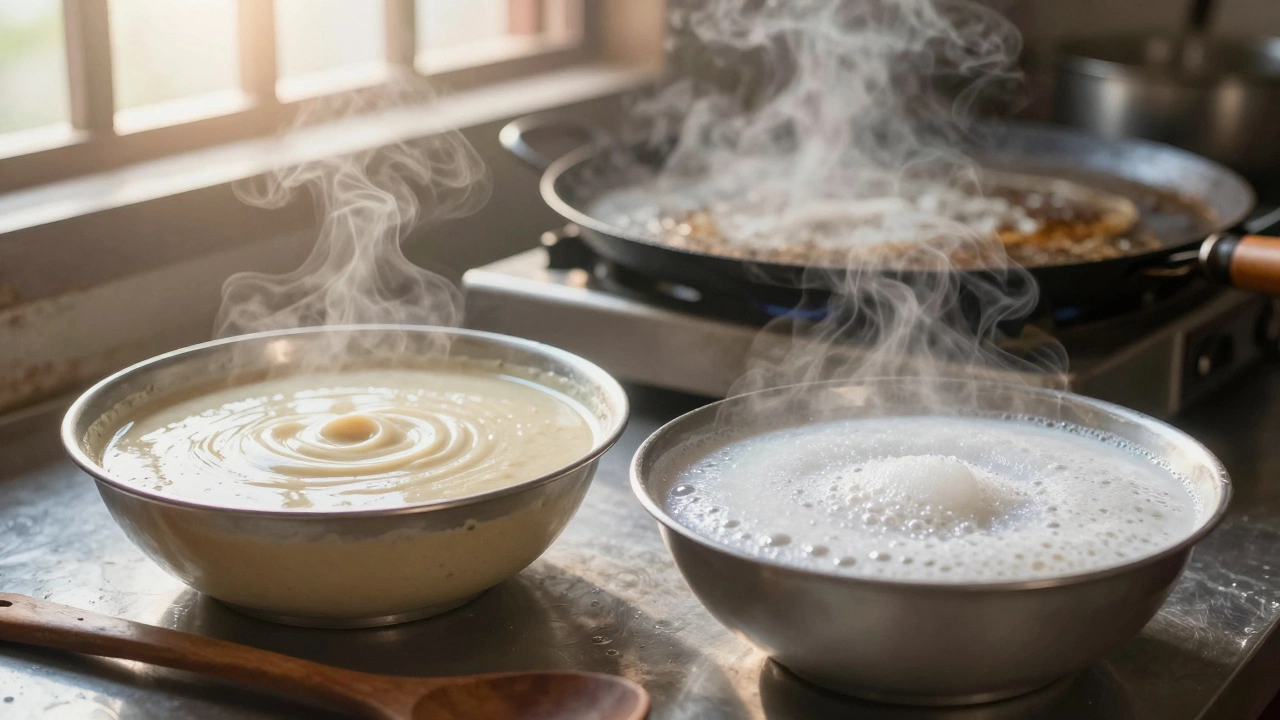
Why is baking soda added to dosa batter? The science behind the perfect crisp
Baking soda in dosa batter isn't a shortcut - it's a chemical helper that improves crispness and texture by balancing fermentation's acidity. Learn why it works, how much to use, and when to skip it.
Read More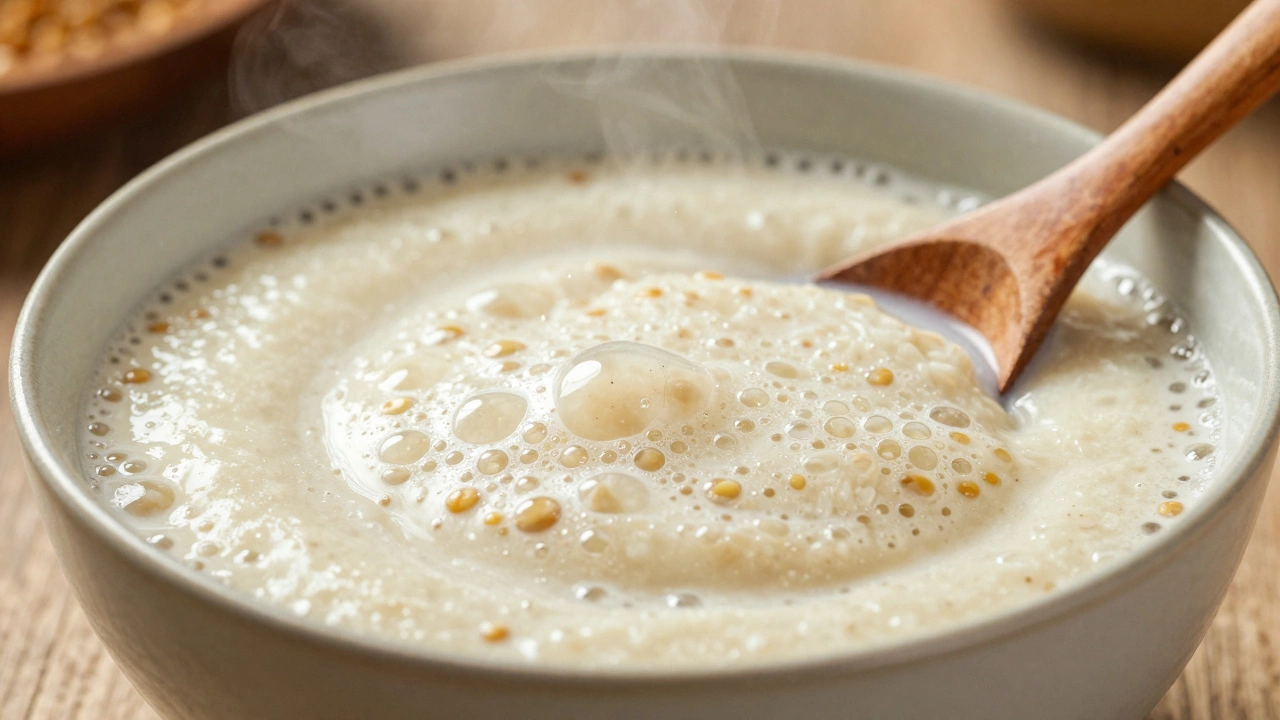
Why Dosa Batter Becomes Sour: The Science Behind Fermentation
Dosa batter becomes sour due to natural fermentation by lactic acid bacteria, which improves flavor, texture, and digestion. Learn why this happens, how to control it, and how to fix common problems.
Read More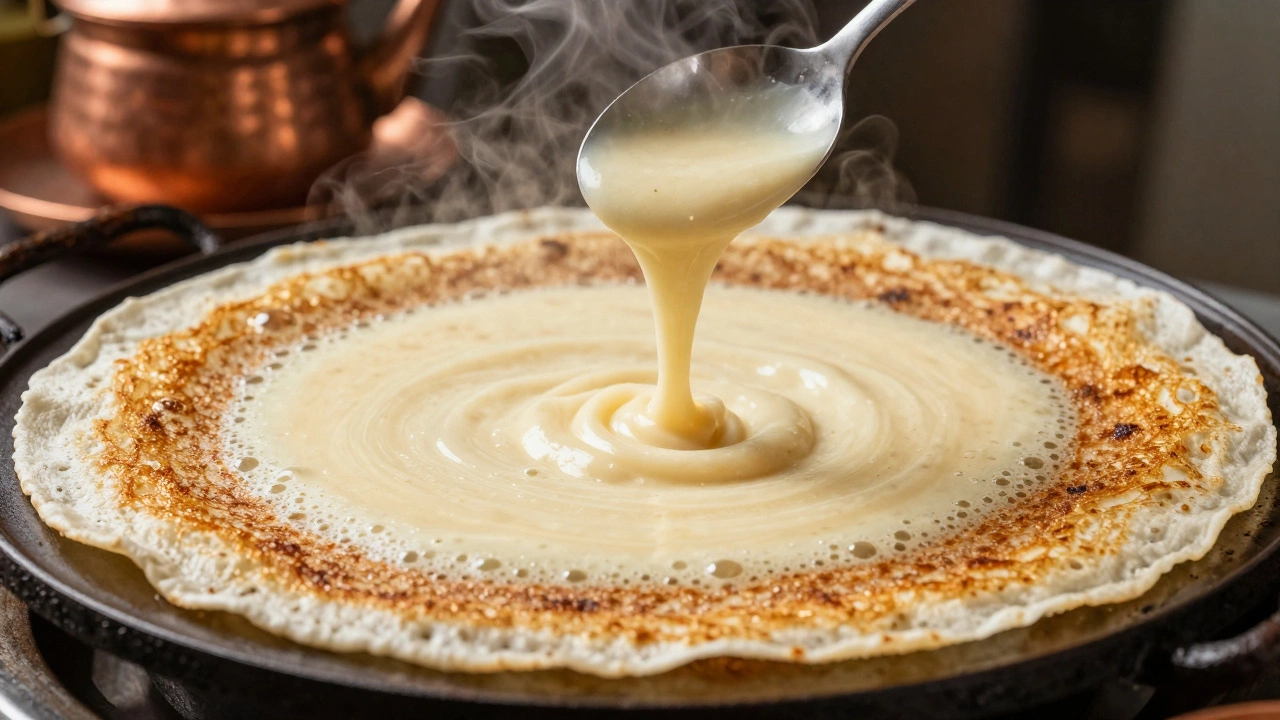
Why Is Dosa Batter Not Crispy? Fix Your Dosa Batter for Perfect Crispiness
Learn why your dosa batter isn't crispy and how to fix it with the right rice-to-dal ratio, fermentation time, griddle heat, and oil technique for perfect results every time.
Read More