Dosa Batter Sour: Why It Happens and How to Fix It
When your dosa batter, a fermented mixture of rice and lentils used to make crispy Indian pancakes. Also known as dosa batter, it turns sour, it’s not broken—it’s working. Sourness in dosa batter comes from natural lactic acid bacteria feeding on starches during fermentation. This process isn’t a mistake; it’s the heart of traditional dosa making. The right level of sourness gives dosas their signature tang, crisp edges, and light texture. But too much sourness? That’s when things go wrong.
What makes batter sourer than it should be? It’s usually one of three things: too long in the warm kitchen, too little rice in the mix, or old dal. The ideal ratio is 3 parts rice to 1 part urad dal. If you flip that, you get a batter that ferments too fast and turns sharp. Heat matters too. In summer, batter can go from fresh to over-fermented in under 8 hours. Cold weather? It might take 12–18 hours. That’s why fermentation time isn’t fixed—it’s a rhythm you learn by smell and feel. The batter should rise, bubble gently, and smell pleasantly tangy, not like vinegar or alcohol.
Don’t throw out sour batter. fermented dosa batter, a naturally leavened mixture that develops flavor and texture through microbial activity is still usable. Add a pinch of salt, a splash of water, and a spoon of rice flour to balance it. Stir well. Let it rest 30 minutes. You’ll get dosas that are still crisp, just with a deeper flavor. And if your batter is too sour to fix? Use it to make idli, steamed rice-lentil cakes that thrive on strong fermentation instead. Idlis love sour batter—it makes them fluffier.
People often think yeast or baking soda can fix slow fermentation. But those shortcuts kill the probiotics and flatten the taste. Real dosa batter doesn’t need chemicals. It needs time, warmth, and patience. That’s why adding yeast might make it rise faster, but it’ll never taste like the kind your grandmother made. The sourness you want isn’t artificial—it’s alive.
When you see your batter bubbling and smelling like a gentle sourdough, you know you’ve got it right. That’s the moment to grind it fine, rest it, and cook. Too sour? Adjust next batch. Not sour enough? Leave it longer. It’s not a recipe—it’s a conversation with your kitchen.
Below, you’ll find real fixes from real cooks who’ve been there: batter that won’t crisp, batter that smells off, batter that won’t rise. No fluff. No theory. Just what works.
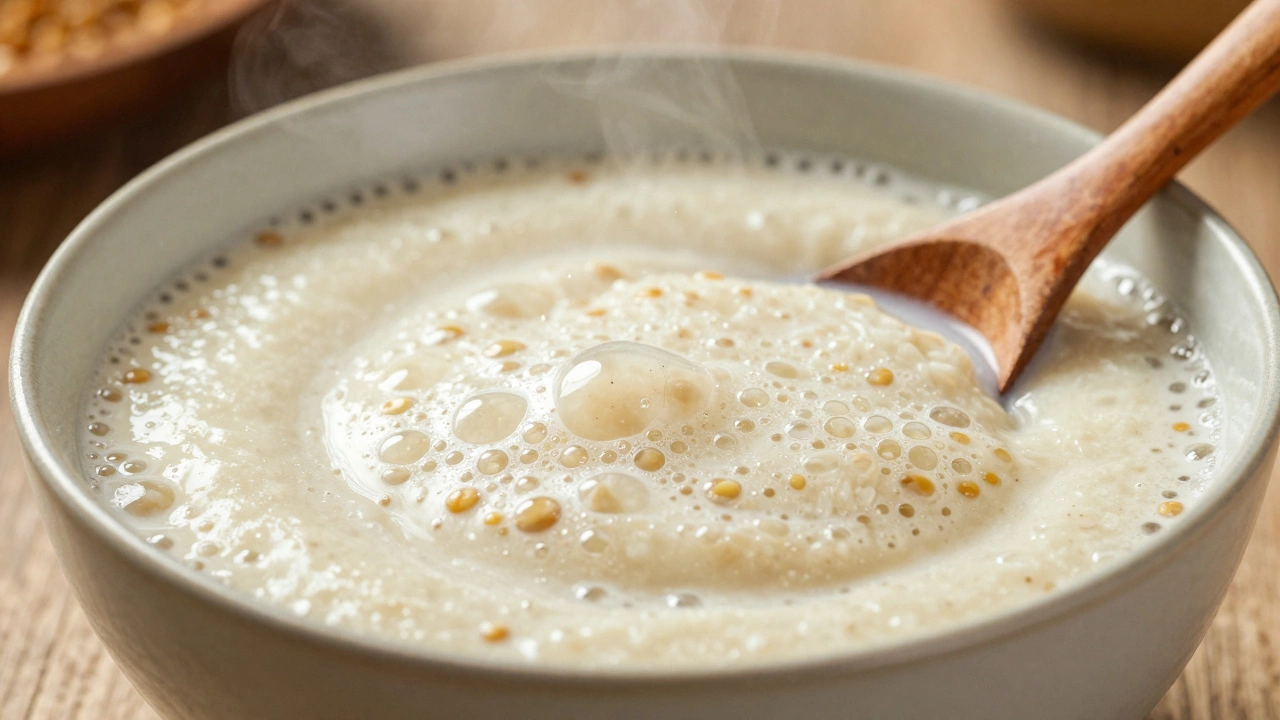
Why Dosa Batter Becomes Sour: The Science Behind Fermentation
Dosa batter becomes sour due to natural fermentation by lactic acid bacteria, which improves flavor, texture, and digestion. Learn why this happens, how to control it, and how to fix common problems.
Read More