Dosa Batter Recipe: Perfect Crispy Dosa Every Time
When you think of a classic South Indian breakfast, dosa batter recipe, a fermented mix of rice and lentils used to make thin, crispy pancakes. Also known as idli dosa batter, it's the foundation of one of India’s most loved street foods and home-cooked meals. It’s not just rice and dal ground together—it’s a living thing. Left to ferment overnight, it transforms into a bubbly, tangy paste that puffs up into golden, crackly dosas when poured onto a hot griddle. This isn’t magic. It’s science, patience, and tradition rolled into one bowl.
Getting the batter right means nailing three things: the rice-to-lentil ratio, the standard 3:1 or 4:1 mix of parboiled rice to urad dal that gives structure and fluff, the fermentation time, how long the batter needs to rest—usually 8 to 12 hours in warm climates, longer in cold ones, and the grinding texture, smooth but not watery, with just enough grit from the rice to hold its shape. Skip any of these, and your dosa turns out sticky, flat, or tough. Many people blame the pan, but it’s almost always the batter.
What makes this batter special is how it connects to other staples in Indian kitchens. The same batter makes idlis, uttapams, and even fermented pancakes like pesarattu. If you’ve ever made paneer from milk or soaked dal for better digestion, you already understand the power of fermentation and timing. This isn’t just about breakfast—it’s about mastering a process that’s been passed down for generations. You don’t need fancy tools. A stone grinder, a warm corner of your kitchen, and a little patience are all it takes.
Below, you’ll find real posts from home cooks who’ve tried every trick—adding fenugreek seeds for extra crispness, using leftover rice, fixing batter that didn’t rise, and even making dosa batter in winter. Some failed. Some nailed it on the first try. All of them learned something. Whether you’re making dosa for the first time or you’ve been at it for years, there’s a tip here that’ll save you time, frustration, and maybe even a ruined meal.
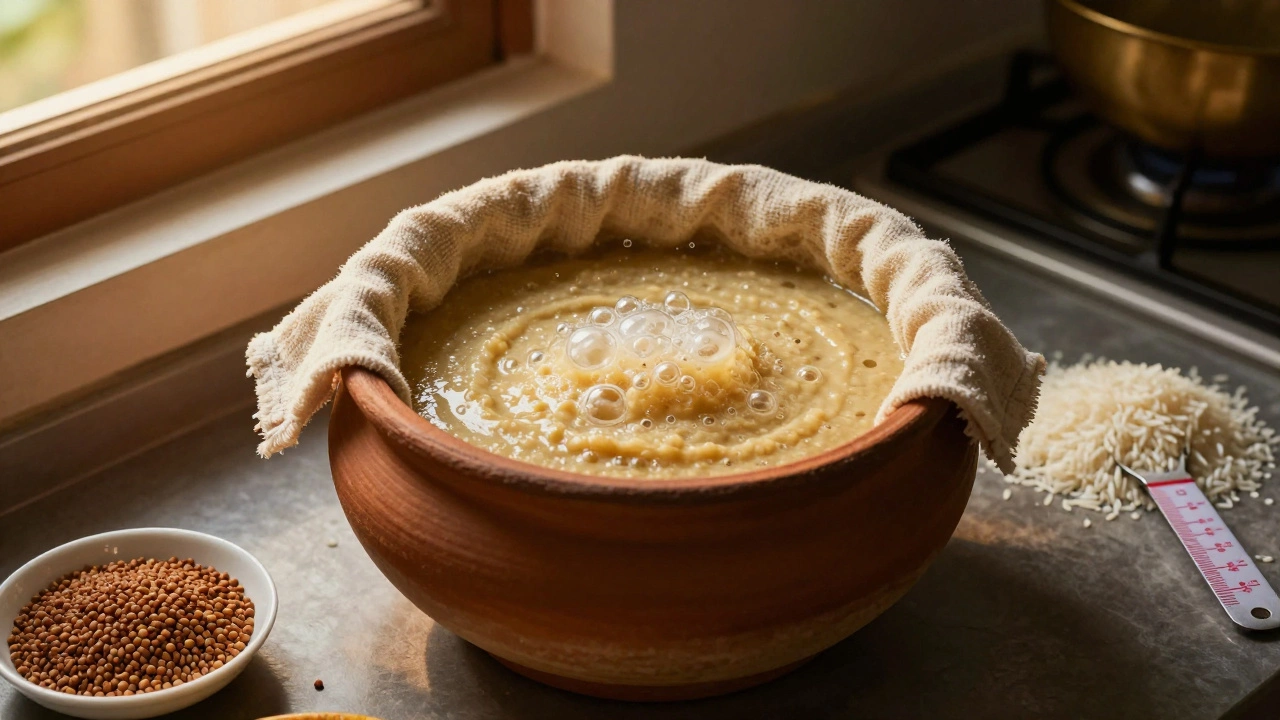
Why Is My Dosa Batter Rubbery? Fix Your Dosa Batter Every Time
Your dosa batter turns rubbery because of wrong rice-to-dal ratios, under-fermentation, or cold batter. Fix it with the right proportions, proper fermentation time, and the right cooking temperature. Simple changes make all the difference.
Read More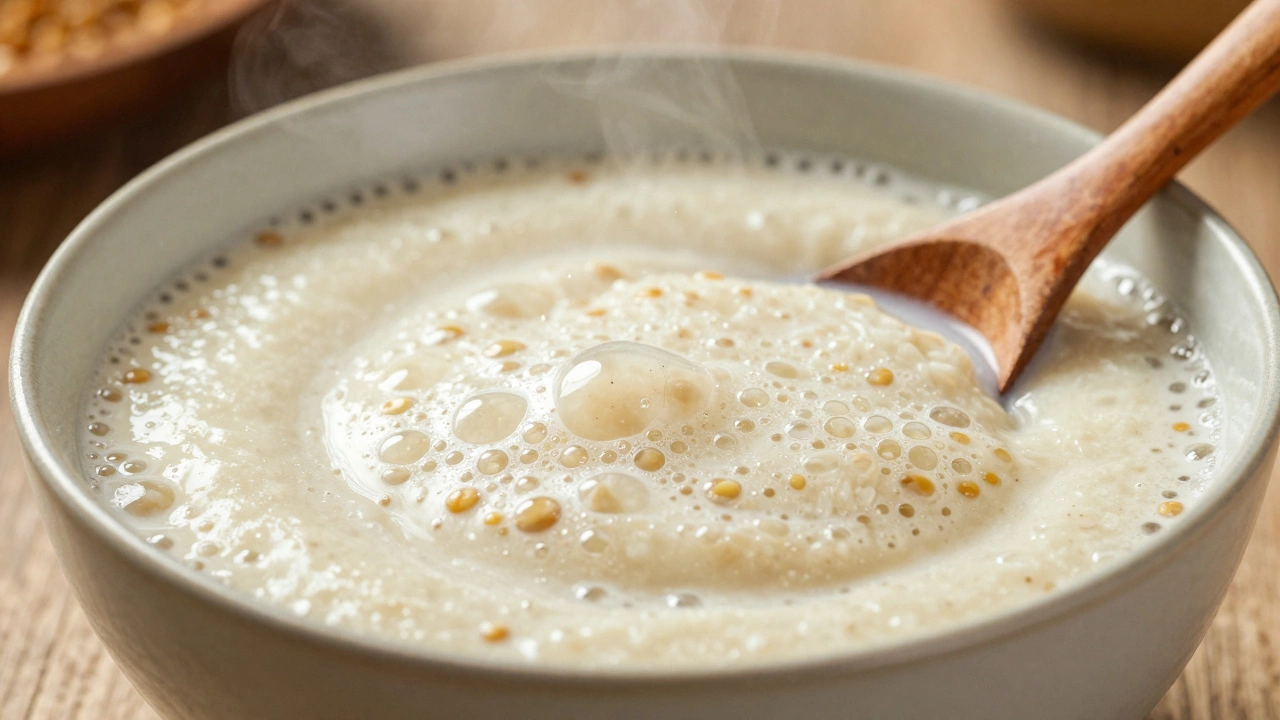
Why Dosa Batter Becomes Sour: The Science Behind Fermentation
Dosa batter becomes sour due to natural fermentation by lactic acid bacteria, which improves flavor, texture, and digestion. Learn why this happens, how to control it, and how to fix common problems.
Read More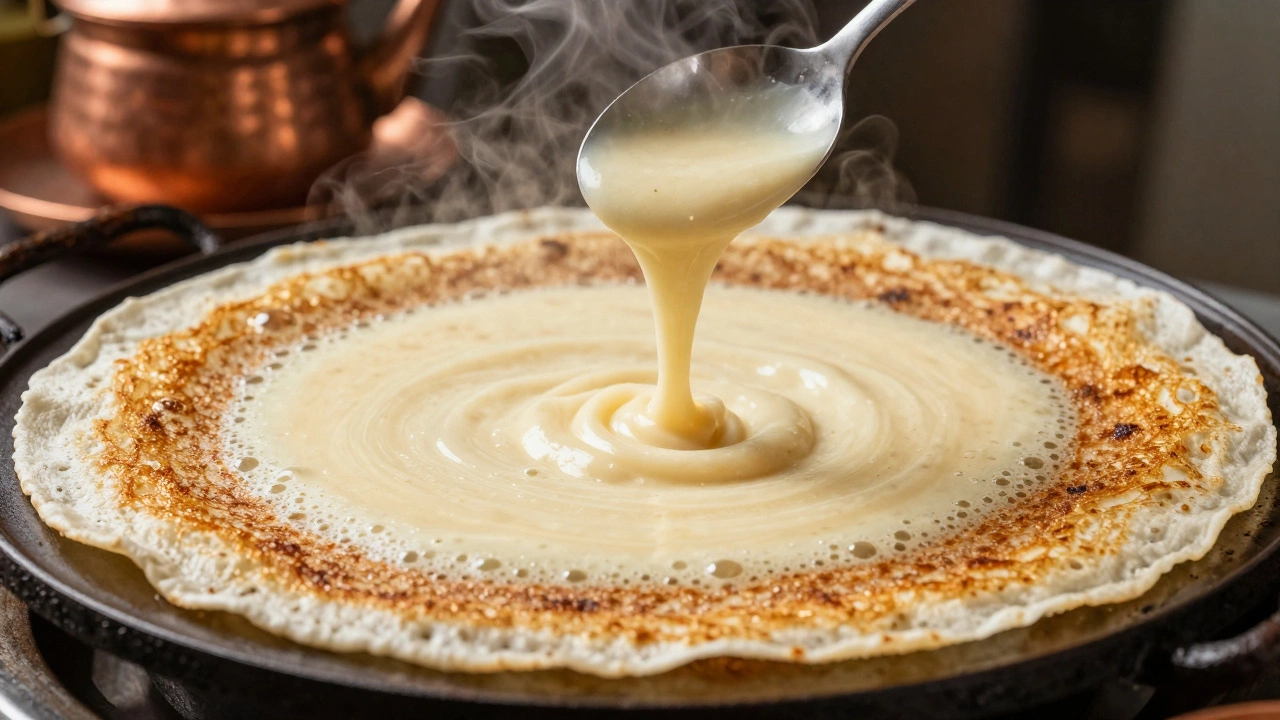
Why Is Dosa Batter Not Crispy? Fix Your Dosa Batter for Perfect Crispiness
Learn why your dosa batter isn't crispy and how to fix it with the right rice-to-dal ratio, fermentation time, griddle heat, and oil technique for perfect results every time.
Read More
Is It OK to Add Yeast to Dosa Batter? Here’s What Actually Works
Adding yeast to dosa batter speeds up rising but kills the natural tang and health benefits of traditional fermentation. Learn why patience matters-and what to do instead.
Read More
What's Dosa Batter Made Of? Discover the Secret Ingredients!
Dosa batter is the heart of the beloved South Indian dish known as dosa. Made from a simple blend of rice and black gram (urad dal), the batter is fermented to perfection, resulting in a deliciously tangy flavor. This article explores the ingredients and process of making dosa batter, alongside tips for achieving the ideal consistency and flavor. With some fascinating regional variations included, this guide will have you making perfect dosas in no time!
Read More