Dal Recipe: Simple, Healthy, and Traditional Lentil Dishes Made Easy
When you think of dal, a comforting, protein-rich lentil dish central to everyday Indian meals. Also known as lentil stew, it’s the quiet hero of Indian kitchens—simple, nourishing, and endlessly adaptable. Whether it’s yellow toor dal, red masoor dal, or black urad dal, this isn’t fancy food. It’s the kind of meal that feeds families for generations, made with just a few ingredients, a pinch of turmeric, and a lot of patience.
Dal isn’t just about cooking lentils. It’s about pairing them right. You eat it with rice, the classic partner that balances texture and flavor, or soft roti, warm flatbread that scoops up every last drop. A side of raita, cool yogurt with cucumber and mint cuts through the spice. And don’t forget pickles—they add the punch that turns a bowl of dal into a full meal. These aren’t optional extras. They’re part of the tradition.
But here’s something most people don’t talk about: eating dal at night isn’t always a good idea. It’s heavy. It ferments slowly in your gut, and for many, that means bloating or restless sleep. That’s why Indian households often save dal for lunch, not dinner. If you’re craving something light after sunset, try a thin khichdi or a veggie soup instead. It’s not about rules—it’s about listening to your body.
What you’ll find below isn’t just a list of recipes. It’s a real look at how dal works in Indian homes—the mistakes people make, the best ways to serve it, why fermentation matters, and how even broken milk can turn into something useful. You’ll learn what pairs perfectly with dal, why some dals are easier to digest than others, and how to make sure your dal doesn’t turn into a bland mess. This isn’t about perfection. It’s about making food that tastes like home.
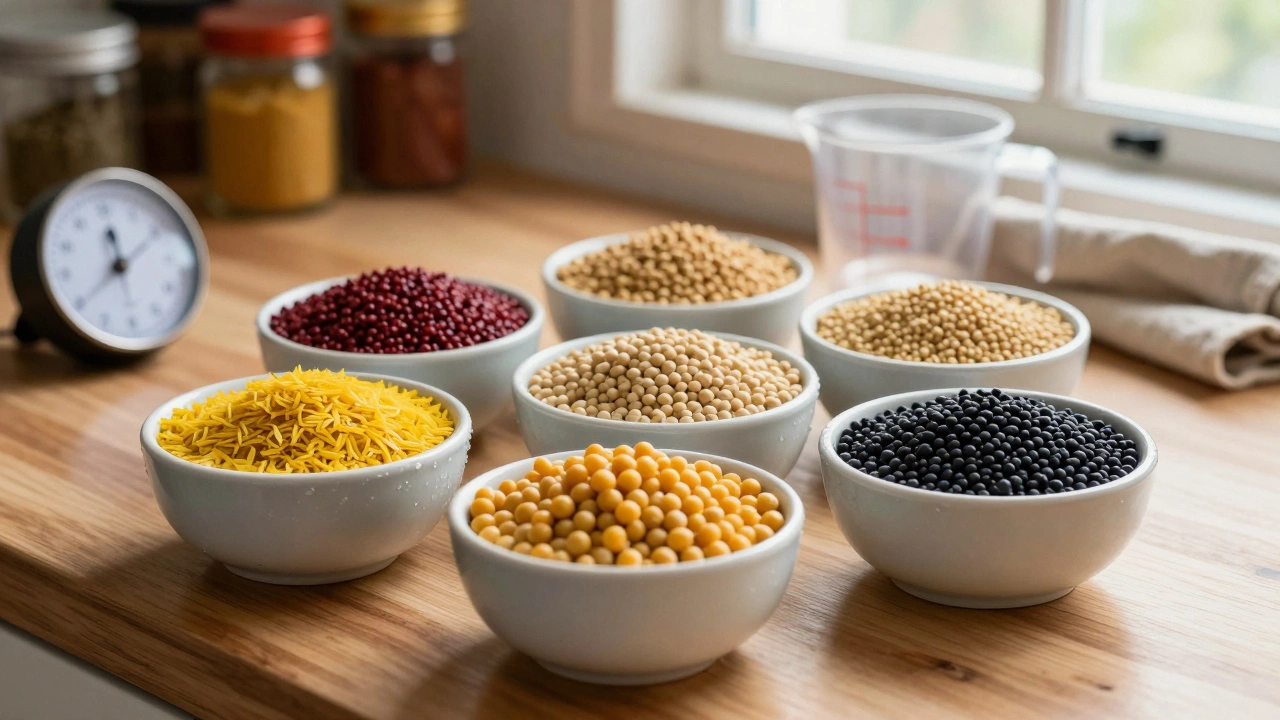
How Long to Soak Dal for Perfect Texture Every Time
Learn the right soaking times for different types of dal to get perfect texture every time. Save time, improve digestion, and make your dal tastier with these simple, proven tips.
Read More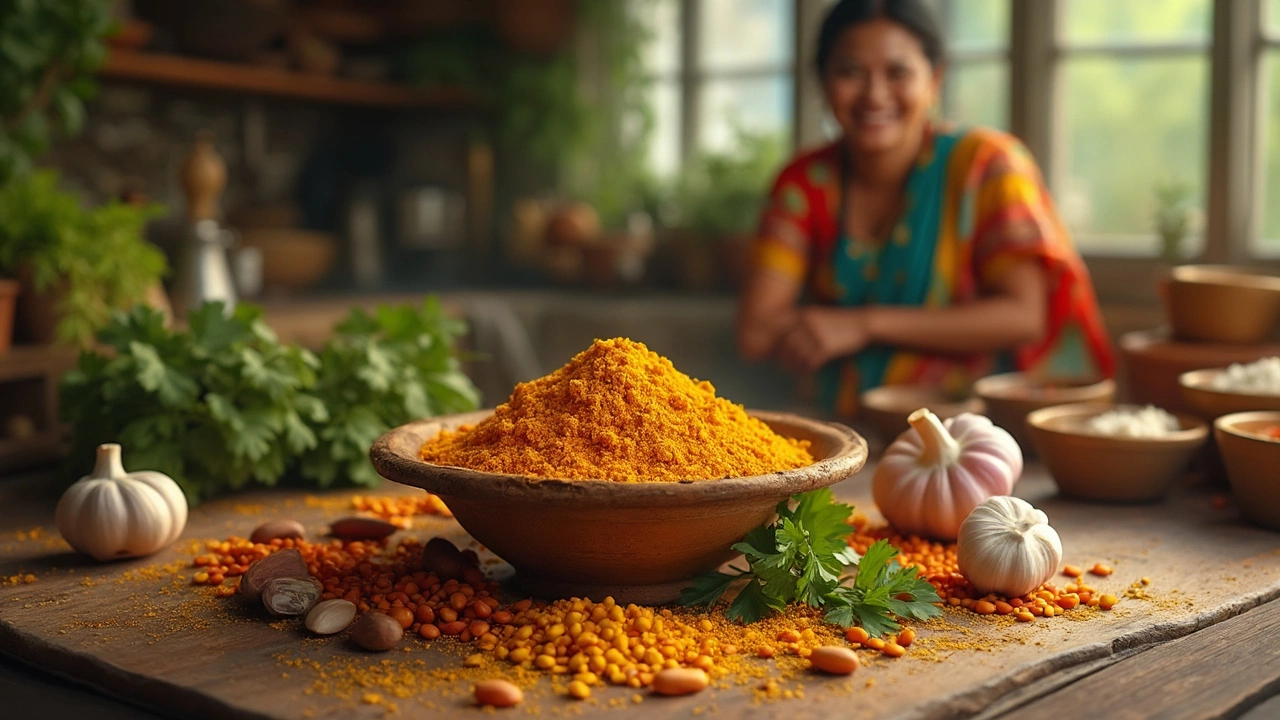
Discover the Top Food That Fights Inflammation: Simple Dal Recipe Included
Fighting inflammation can be as simple as tweaking your diet. Discover why turmeric, a key spice in dal, is known for its anti-inflammatory properties and how it can benefit your health. This article delves into the science behind turmeric and shares a straightforward dal recipe so you can easily include it in your meals.
Read More