Avoid Illness in India: Safe Eating Tips and Food Safety Secrets
When you're eating in India, avoid illness in India, a common concern for travelers and newcomers who want to enjoy local food without getting sick. It’s not about avoiding Indian food—it’s about knowing what to look for, what to skip, and how to make smart choices that keep your stomach happy. Many people assume street food is risky, but that’s not always true. In fact, some of the safest and tastiest meals you’ll ever eat come from busy stalls where food turns over fast and vendors know their customers won’t come back if the food’s bad.
safe street food India, means choosing vendors with high turnover, clean hands, and food served hot off the grill. Look for places where locals line up—crowds are a silent vote of confidence. Avoid anything sitting out in the open for hours, especially raw veggies or uncooked chutneys. Stick to fried snacks like samosas, hot dosas, or tandoori items. These are cooked at high heat, which kills harmful bacteria. Even raita, the cool yogurt side dish served with biryani, is usually safe because yogurt’s natural acidity helps prevent bad bugs from growing. food safety India, isn’t about perfection—it’s about managing risk. Boiled water, sealed bottled drinks, and freshly made roti are your friends. Skip ice in drinks unless you know it’s made from purified water. And don’t panic if you see someone peeling an orange in front of you—that’s a good sign. Peelable fruit is safer than pre-cut fruit sitting in a bowl. Indian food hygiene, often misunderstood, is deeply tied to tradition and practicality. Many Indian households and street vendors use vinegar or lemon juice to clean surfaces and tools. They know that spices like turmeric, garlic, and ginger aren’t just for flavor—they have natural antimicrobial properties. That’s why dal, even when eaten at night, is usually fine if it’s well-cooked and served hot. The real danger comes from cold, leftover, or improperly stored food.
What you’ll find in the posts below isn’t fear-mongering—it’s real, practical advice from people who’ve been there. You’ll learn why some foods are safer than others, how to spot a clean kitchen by just looking, and what to do if you feel off after eating. You’ll also see why eating broken milk to make paneer can be safe if done right, and how fermentation in dosa batter actually helps digestion instead of hurting it. This isn’t about avoiding Indian food. It’s about enjoying it the smart way—without worry.
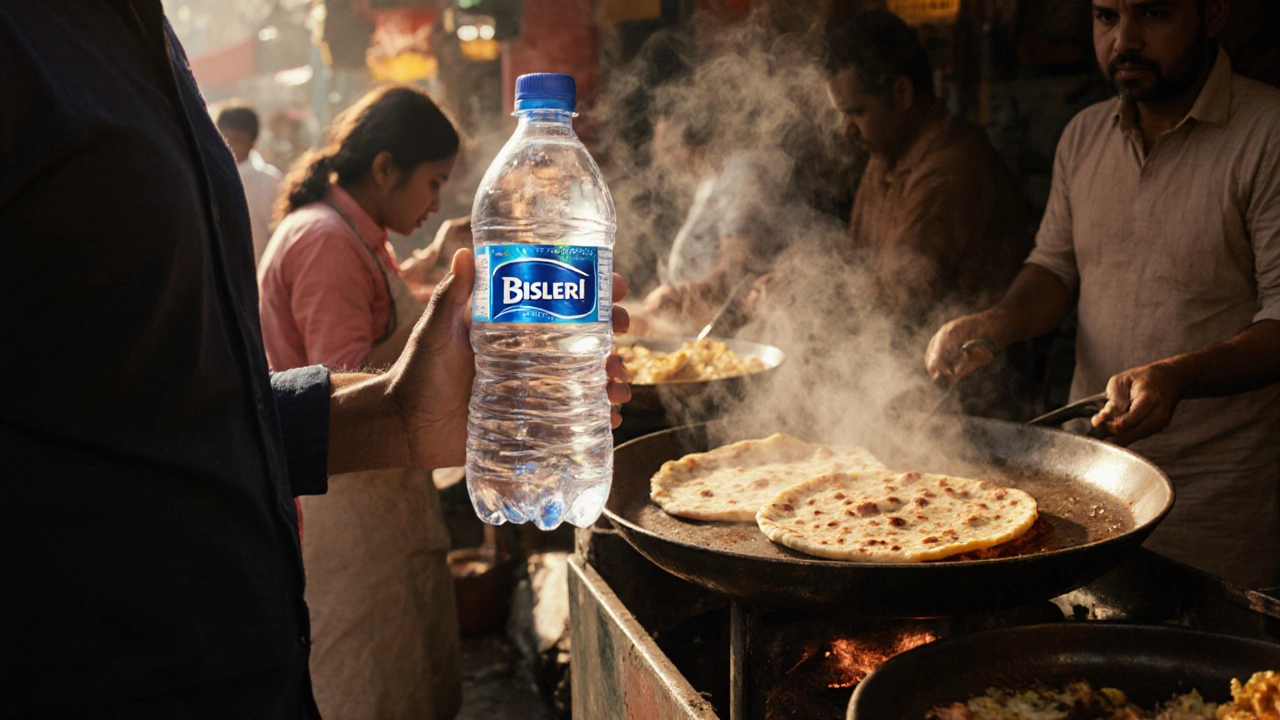
How to Avoid Getting Ill in India: Safe Eating Tips for Travelers
Learn how to enjoy Indian food safely without getting sick. From drinking bottled water to choosing hot, fresh street food, these simple tips help travelers avoid food poisoning and stomach issues in India.
Read More