Chutney Solo Snacking Checker
Select a type of chutney below to see if it's recommended for solo snacking, along with nutritional insights and pairing suggestions.
Mango Chutney
Sweet & Tangy
High SugarTamarind Chutney
Sour & Sweet
Intense FlavorGreen Coriander
Fresh & Spicy
Low SugarAnalysis Result
Nutritional Insight
Best Way to Eat It
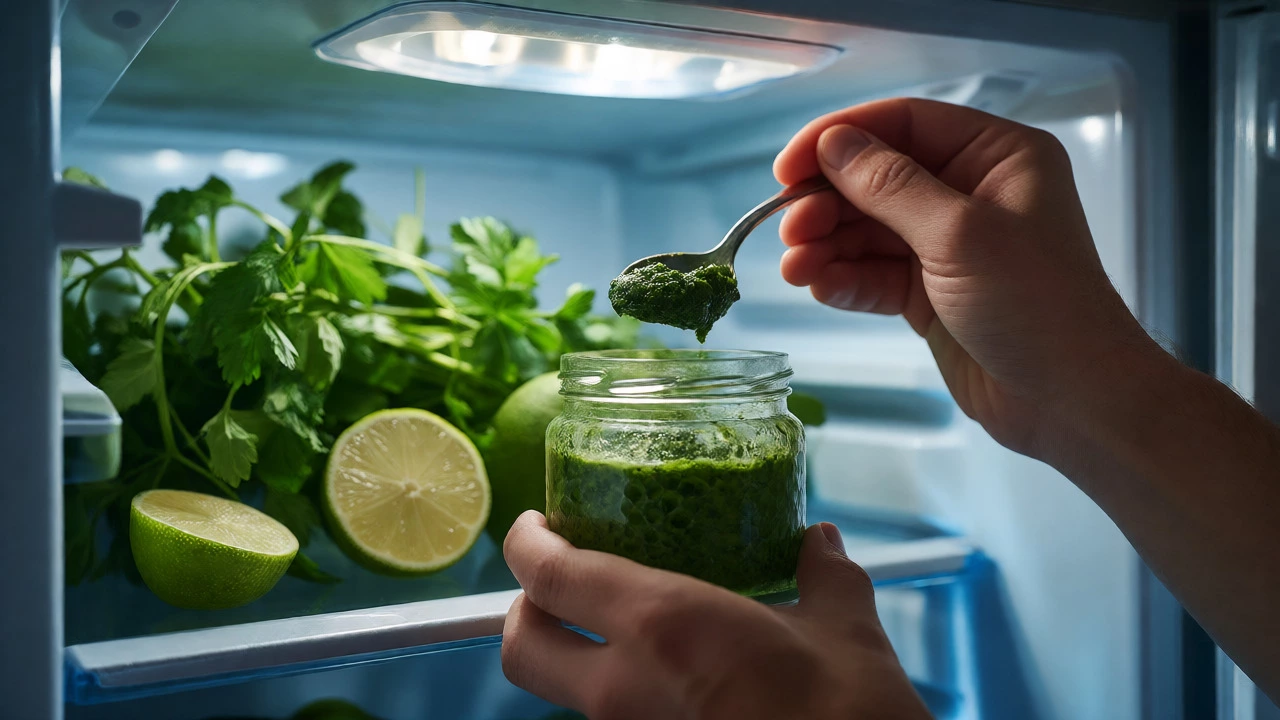
You’re standing in front of the fridge, staring at a half-empty jar of chutney. It’s not just a side dish for your samosas or a dip for your dosa. Sometimes, that vibrant green coriander mix or that sweet-sour mango blend looks incredibly tempting on its own. But is it weird to eat it straight from the jar? Is it actually good for you, or are you just loading up on sugar and vinegar?
The short answer is yes, you absolutely can eat chutney by itself. In fact, many people do exactly that. However, whether you *should* depends entirely on what kind of chutney it is and how much you’re eating. Some varieties are packed with fresh herbs and spices that offer genuine health benefits, while others are essentially candy disguised as savory sauces. Let’s break down which ones work as solo snacks and which ones might leave you feeling sluggish.
The Sweet Trap: Mango and Tamarind Chutneys
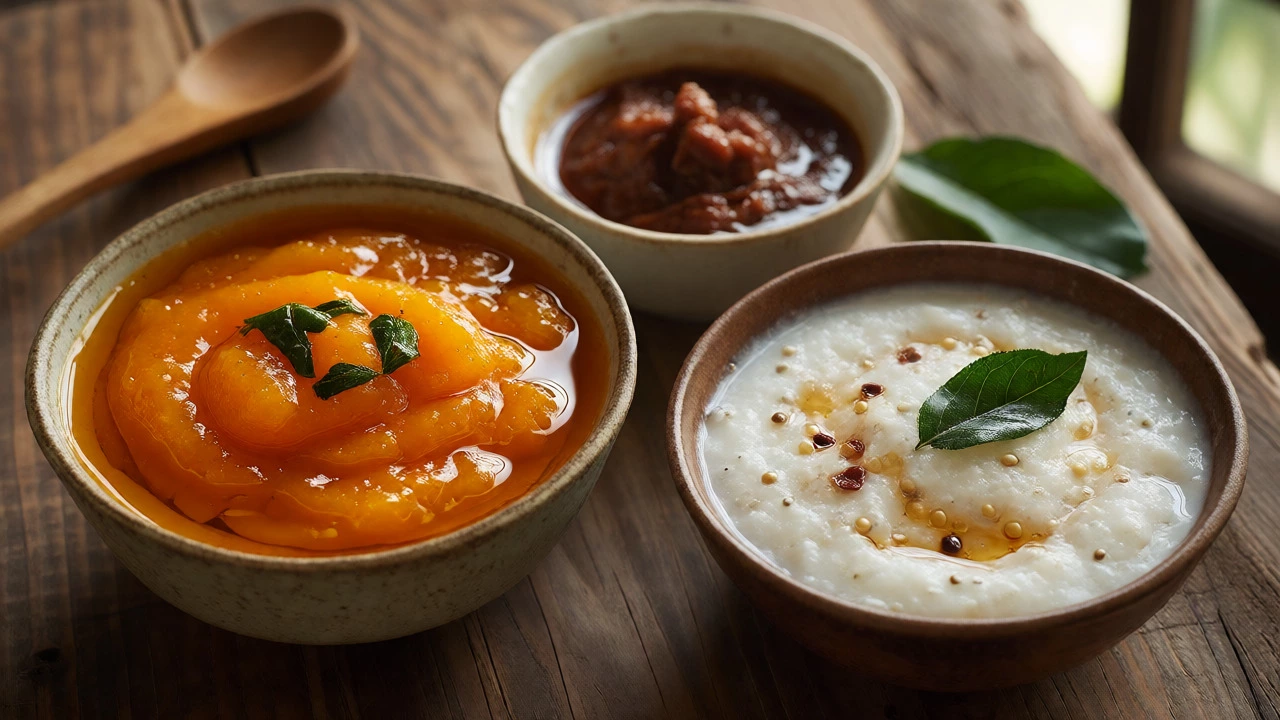
If you’ve ever reached for a spoonful of mango chutney and felt like you were eating dessert, you weren’t wrong. Most commercial mango chutneys are high in sugar content. Traditional recipes use ripe mangoes, which are naturally sweet, but store-bought versions often add significant amounts of refined sugar or jaggery to preserve the flavor and extend shelf life.
Eating this by itself is fine occasionally, but it’s easy to overdo it. Think about it this way: if you eat three tablespoons of sweet mango chutney, you might consume as much sugar as a small chocolate bar. That’s a lot of quick energy without any protein or fiber to slow down the absorption. If you love the taste, try mixing it with something neutral. Pairing a spoonful with plain yogurt or spreading it on whole-grain toast turns it from a sugar bomb into a balanced mini-meal.
| Chutney Type | Primary Base | Estimated Sugar Content | Best For Solo Eating? |
|---|---|---|---|
| Mango Chutney | Ripe Mango + Sugar | High (30-40g) | Moderate (Portion control needed) |
| Tamarind Chutney | Tamarind Pulp + Jaggery | Medium-High (20-30g) | Low (Very intense flavor) |
| Green Coriander Chutney | Fresh Herbs + Lime | Low (<5g) | High (Fresh and light) |
| Coconut Chutney | Coconut + Tempering | Low (<5g) | High (Fatty but satisfying) |
The Fresh Option: Green and Herb-Based Chutneys
This is where things get interesting. Green chutney, typically made from coriander, mint, green chilies, and lime juice, is arguably the best candidate for solo snacking. Why? Because it’s mostly vegetables and herbs. There’s no added sugar, minimal oil, and plenty of vitamin C from the lime and iron from the greens.
Eating a few spoons of fresh green chutney can actually aid digestion. The ginger and garlic often included in these mixes have anti-inflammatory properties. Plus, the heat from the green chilies can boost your metabolism slightly. I keep a batch of homemade coriander-mint chutney in my fridge in Bristol all week. When I need a quick pick-me-up, I take a teaspoon. It wakes up my palate and doesn’t spike my blood sugar like the sweet stuff does.
Just be careful with the spice level. Eating too much green chutney on an empty stomach can cause acidity or heartburn for some people. If you have a sensitive gut, start with a small amount. Also, since these chutneys lack preservatives, they don’t last long. Homemade green chutney usually stays fresh for only 3-4 days in the refrigerator before the leaves turn brown and lose their vibrant flavor.
The Creamy Contender: Coconut and Peanut Chutneys
Coconut chutney is a staple in South Indian cuisine, often served alongside idlis and dosas. But can you eat it alone? Absolutely. Coconut is rich in medium-chain triglycerides (MCTs), which provide sustained energy. Unlike the watery herb chutneys, coconut chutney feels more substantial. It has fat, which keeps you full longer.
However, calorie density is the catch here. Coconut is high in calories. A small bowl of coconut chutney can easily hit 150-200 calories depending on how much oil was used for tempering. If you’re watching your weight, treat it like nuts-enjoyable in moderation, but not something to binge on. Peanut chutney is similar. It’s high in protein and healthy fats, making it a great post-workout snack if you pair it with a banana or apple slices. But on its own? It’s heavy. You’ll feel satisfied quickly, so you won’t accidentally eat a whole jar.
Health Benefits vs. Hidden Pitfalls
When you look at chutney through a nutritional lens, you realize it’s not just one thing. It’s a category of foods with wildly different profiles. Here’s what you need to watch out for when snacking on chutney:
- Sodium Levels: Many commercial chutneys are loaded with salt to enhance flavor and preservation. High sodium intake can lead to water retention and increased blood pressure. Always check the label if you’re buying from a store.
- Vinegar Acidity: Vinegar is a common preservative in chutneys. While it has some metabolic benefits, consuming large amounts of acidic food on an empty stomach can irritate the lining of your stomach, especially if you’re prone to gastritis.
- Additives and Preservatives: Store-bought chutneys often contain artificial colors, emulsifiers, and stabilizers. These aren’t necessarily harmful in small doses, but they don’t contribute to your health. Homemade versions give you total control over ingredients.
- Nutrient Density: Fresh chutneys retain vitamins and antioxidants better than cooked, canned versions. If you want maximum health benefit, make it yourself using fresh produce.
One common mistake people make is assuming "Indian" equals "unhealthy." That’s outdated thinking. Traditional Indian condiments are often rooted in Ayurvedic principles, balancing hot and cold ingredients. Ginger, cumin, and asafoetida (hing) are traditional digestive aids. So, eating a small amount of well-made chutney isn't just tasty; it can support your gut health.
How to Elevate Your Chutney Snack
If you find eating chutney straight from the jar a bit boring or intense, there are simple ways to make it a proper snack without adding tons of calories. This approach helps balance the flavors and textures, making the experience more satisfying.
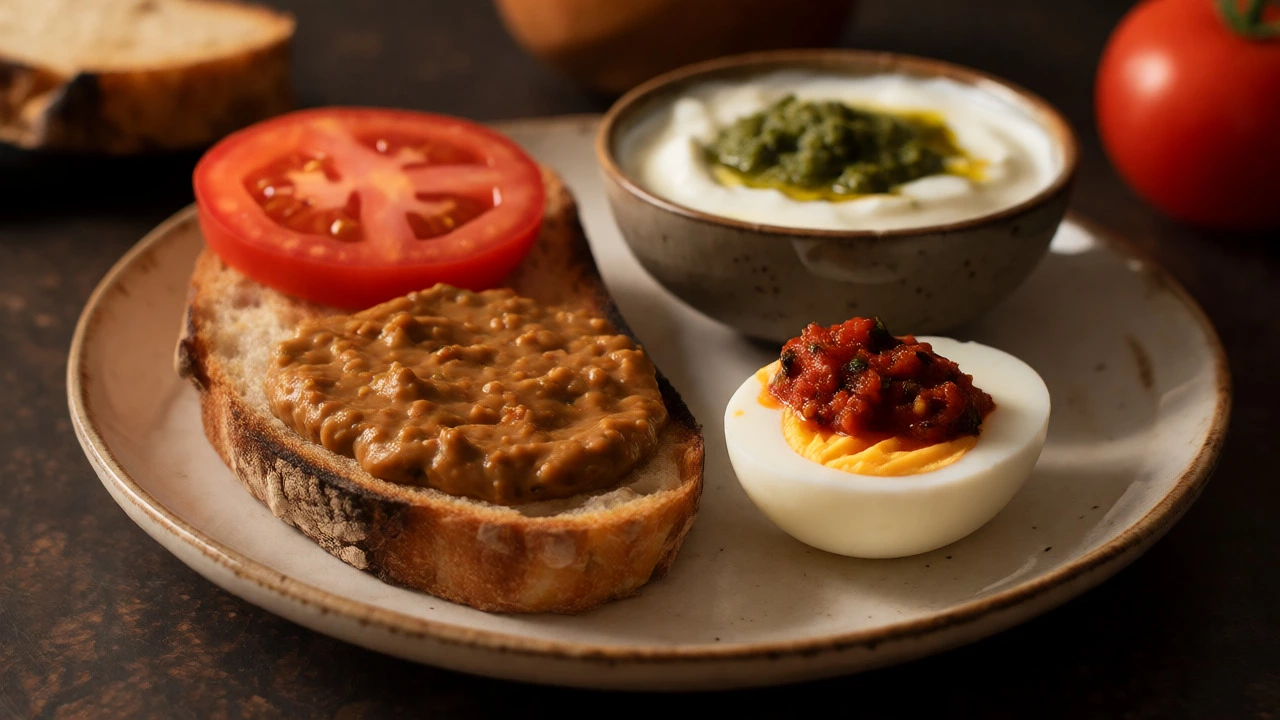
- The Yogurt Dip: Mix two parts plain Greek yogurt with one part green or mint chutney. The creaminess cuts the spice, and the protein in the yogurt makes it filling. Great with cucumber sticks.
- The Toast Topper: Spread coconut or peanut chutney on toasted sourdough bread. Add a slice of tomato for freshness. It’s a quick lunch substitute that feels indulgent but is surprisingly nutritious.
- The Salad Dressing: Thin out thick tamarind or mango chutney with a little water and lemon juice. Drizzle it over a chickpea salad. The sweetness balances the earthiness of the legumes.
- The Egg Companion: Hard-boiled eggs paired with a dollop of spicy red chili chutney make a high-protein snack. The richness of the yolk complements the sharpness of the chutney perfectly.
Remember, context matters. If you’re snacking because you’re bored, a tablespoon is enough. If you’re hungry, pair it with a solid food source. Chutney is a condiment for a reason-it’s designed to enhance other flavors. Using it as a primary component requires mindful portioning.
Storage Tips for Solo Snackers
Since you’re eating smaller amounts frequently, proper storage is key to keeping your chutney safe and tasty. Moisture is the enemy. Always use a clean, dry spoon when scooping out chutney. Introducing wet utensils into the jar introduces bacteria, leading to mold growth within days.
For long-term storage, freeze chutney in ice cube trays. Once frozen, pop the cubes into a freezer bag. This way, you can thaw just one cube at a time for your daily snack, preventing waste and ensuring every bite tastes fresh. This method works exceptionally well for green chutneys, which degrade faster than cooked varieties.
Is it bad to eat chutney every day?
Not necessarily, but it depends on the type. Fresh green chutneys are generally safe and healthy for daily consumption due to their low calorie and high nutrient profile. However, sweet mango or tamarind chutneys should be limited to occasional treats because of their high sugar content. Daily consumption of high-sugar chutneys can contribute to weight gain and dental issues.
Which chutney is the healthiest to eat alone?
Green coriander and mint chutney is typically the healthiest option for solo eating. It is low in calories, sugar-free, and rich in vitamins A, C, and K. It also contains digestive aids like ginger and garlic. Coconut chutney is also a good choice if you need sustained energy, provided you watch the portion size due to its higher fat content.
Can eating chutney on an empty stomach cause problems?
Yes, for some people. Spicy chutneys containing green chilies or black pepper, as well as acidic chutneys with vinegar or tamarind, can irritate the stomach lining if consumed on an empty stomach. This may lead to heartburn or acid reflux. If you have a sensitive stomach, it is best to eat chutney after a meal or paired with bland food like rice or bread.
How long does homemade chutney last in the fridge?
Homemade green chutneys typically last 3-4 days in the refrigerator. Cooked chutneys like mango or tamarind can last 1-2 weeks if stored properly in an airtight container with a layer of oil on top to prevent oxidation. Always use a clean, dry spoon to serve to maximize shelf life.
Is store-bought chutney healthier than homemade?
Generally, homemade chutney is healthier. Store-bought versions often contain added sugars, excessive salt, preservatives, and artificial additives to maintain texture and flavor over time. Homemade chutney allows you to control the ingredients, ensuring you get the nutritional benefits of the fresh herbs and fruits without unnecessary additives.