Tandoori Sauce Flavor Profile Builder
Close your eyes and imagine the aroma of a clay oven heating up. You smell charred wood, toasted cumin, and something tangy hitting the back of your throat. That is the essence of tandoori sauce, which is a vibrant, spiced yogurt marinade that defines North Indian cuisine. But what does it actually taste like on the tongue? It is not just "spicy." It is a complex dance between heat, acid, smoke, and earthiness.
If you have ever ordered tandoori chicken at a restaurant and wondered how to recreate that specific flavor at home, you are asking the right question. The taste comes from a precise balance of ingredients that work together to tenderize meat while building layers of flavor. Let’s break down exactly what you should expect when you take a bite.
The Tangy Foundation: Yogurt’s Role
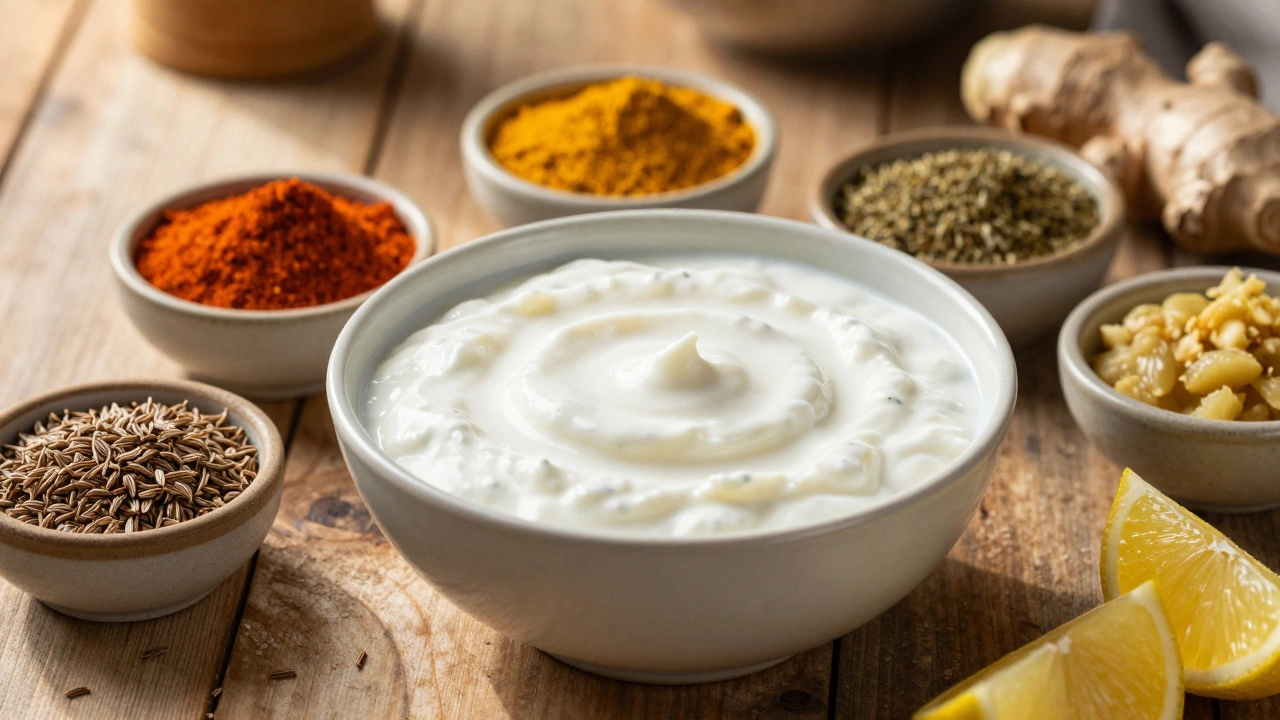
The first thing you notice in any authentic tandoori preparation is the sourness. This comes from plain yogurt, specifically full-fat, unsweetened curd used as a base for marination. In British Indian restaurants, or even in homes across Punjab, we use thick, hung yogurt. Why? Because watered-down yogurt slides off the meat. Thick yogurt clings.
Yogurt serves two purposes here. First, it provides lactic acid. This acid breaks down the protein fibers in the chicken, making it incredibly tender. Second, it acts as a buffer against the high heat of the tandoor (clay oven). Without the yogurt, the chicken would burn before the inside cooked. The taste result is a mild, creamy tang that cuts through the richness of the spices. If your sauce tastes bland, check your yogurt. It needs to be fresh and slightly sour.
The Earthy Spice Blend
Once the tang fades, the spices kick in. Tandoori masala is not a single spice; it is a blend. The dominant notes are usually cumin, an earthy seed with a warm, nutty flavor and coriander powder, which adds a citrusy, floral note. These two form the backbone.
Then you get the warmth. Garam masala, a blend of ground spices including cardamom, cinnamon, and cloves, adds depth. It is subtle but present. You also need turmeric, which gives the signature yellow-orange color and an earthy, slightly bitter undertone. Finally, there is red chili powder, which provides both heat and color. In Bristol, where I live, I often find that Kashmiri red chili powder is better than standard cayenne because it offers more color with less aggressive heat, allowing the other spices to shine.
The Secret Weapon: Smokiness
This is the part that confuses most home cooks. What does tandoori sauce taste like *without* a 900-degree clay oven? It tastes flat. The magic ingredient in a traditional tandoor is the charcoal fire. The meat cooks near the coals, absorbing a distinct smoky aroma known as dhungar.
In a home kitchen, you cannot replicate the oven easily. So, how do we get that taste? We cheat. Many chefs add a pinch of smoked paprika or liquid smoke to the marinade. Some even place a hot piece of charcoal on a small plate next to the finished dish, drizzle oil over it, and cover it with a lid to trap the smoke. This technique infuses the food with that essential campfire flavor. Without this smoky element, your tandoori sauce will taste like a generic spiced yogurt dip, not the real deal.

Brightness from Lemon and Ginger-Garlic
To lift all those heavy, earthy spices, you need acidity and pungency. Fresh lemon juice is squeezed into the marinade. It brightens the flavor profile, preventing it from tasting too dense or muddy. Alongside this, a generous amount of ginger-garlic paste, a freshly ground mixture of ginger and garlic cloves, is added. This paste provides a sharp, aromatic kick that balances the sweetness of the yogurt and the heat of the chilies.
The ratio matters. Too much garlic can overpower the delicate spice notes. Too little, and the sauce lacks punch. Aim for a balance where you can detect the freshness of the ginger and the savory depth of the garlic without them dominating the palate.
Salt and Oil: The Binding Agents
Do not underestimate salt. It enhances every other flavor in the mix. In a proper tandoori marinade, the salt level should be higher than what you might eat directly, as some of it penetrates deep into the meat during cooking. Mustard oil is traditionally used in North India for its pungent, peppery bite, but in the UK, many people prefer sunflower or vegetable oil for a neutral background that lets the spices speak. However, if you can find mustard oil, try it. It adds a unique sharpness that complements the smokiness perfectly.
| Ingredient | Primary Flavor Note | Function in Marinade |
|---|---|---|
| Yogurt | Tangy, Creamy | Tenderizes meat, prevents burning |
| Cumin & Coriander | Earthy, Nutty | Base spice flavor |
| Red Chili Powder | Spicy, Warm | Heat and color |
| Lemon Juice | Sour, Bright | Cuts richness, balances spices |
| Ginger-Garlic Paste | Pungent, Aromatic | Adds depth and freshness |
| Smoked Paprika/Liquid Smoke | Smoky | Replicates tandoor oven effect |
Common Mistakes That Ruin the Taste
I see these errors constantly in home kitchens. First, using sweet yogurt. Never use flavored or sweetened yogurt. It clashes horribly with the savory spices. Second, skipping the resting time. The marinade needs at least four hours, preferably overnight, to penetrate the meat. If you cook it immediately, the flavors stay on the surface and taste disjointed. Third, overcrowding the pan. When you grill tandoori chicken, you want searing marks, not steaming. If the pan is too crowded, the chicken releases moisture, diluting the sauce and resulting in a soggy, bland texture.
How to Use Tandoori Sauce Beyond Chicken
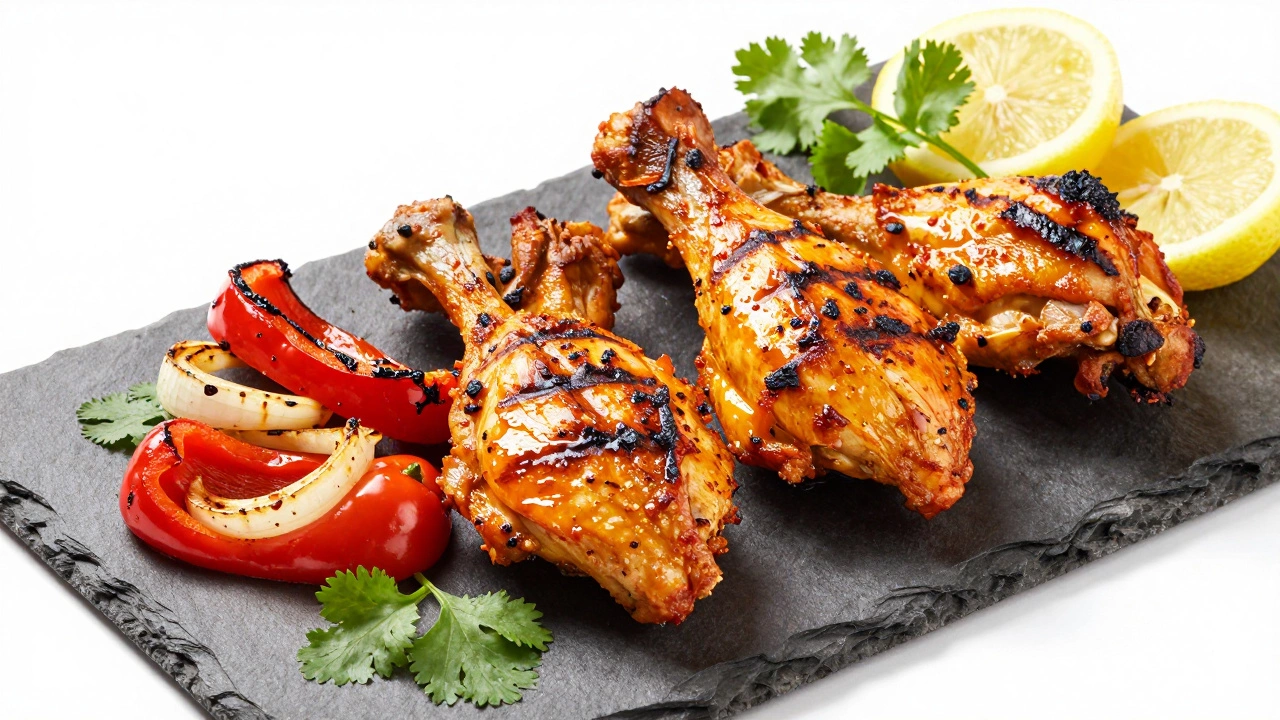
While tandoori chicken is the classic dish featuring bone-in chicken pieces marinated in spices and grilled, the sauce is versatile. Try it on paneer cubes for a vegetarian option. The firm cheese holds up well to the high heat and absorbs the smoky yogurt beautifully. You can also brush it onto vegetables like bell peppers, onions, and mushrooms before grilling. Even tofu works surprisingly well if pressed properly to remove excess water. The key is ensuring the protein or vegetable has enough surface area to develop a char, which locks in the flavor.
Is tandoori sauce spicy?
It depends on the recipe. Traditional tandoori sauce has a moderate heat level from red chili powder. It is warming rather than fiery. If you prefer milder food, reduce the chili powder and increase the yogurt. For extra heat, add green chilies or cayenne pepper.
Can I make tandoori sauce without yogurt?
Yes, but it won't be authentic. Coconut cream or cashew paste can substitute for dairy-free versions, offering creaminess but lacking the tangy lactic acid that tenderizes meat. The flavor profile will be sweeter and less sharp.
Why is my tandoori chicken dry?
Overcooking is the main culprit. The yogurt helps, but if you leave it in the oven too long, it dries out. Also, ensure you are using full-fat yogurt. Low-fat varieties lack the oils needed to keep the meat moist during high-heat cooking.
What is the difference between tandoori sauce and tikka masala sauce?
Tandoori sauce is a dry marinade based on yogurt and spices. Tikka masala involves cooking the marinated meat in a rich, creamy tomato-based gravy. Tandoori is smoky and tangy; tikka masala is creamy, sweet, and mild.
How long does homemade tandoori marinade last?
Store it in an airtight container in the refrigerator for up to three days. The fresh ginger and garlic mean it won't keep as long as shelf-stable sauces. For best results, make it fresh each time.