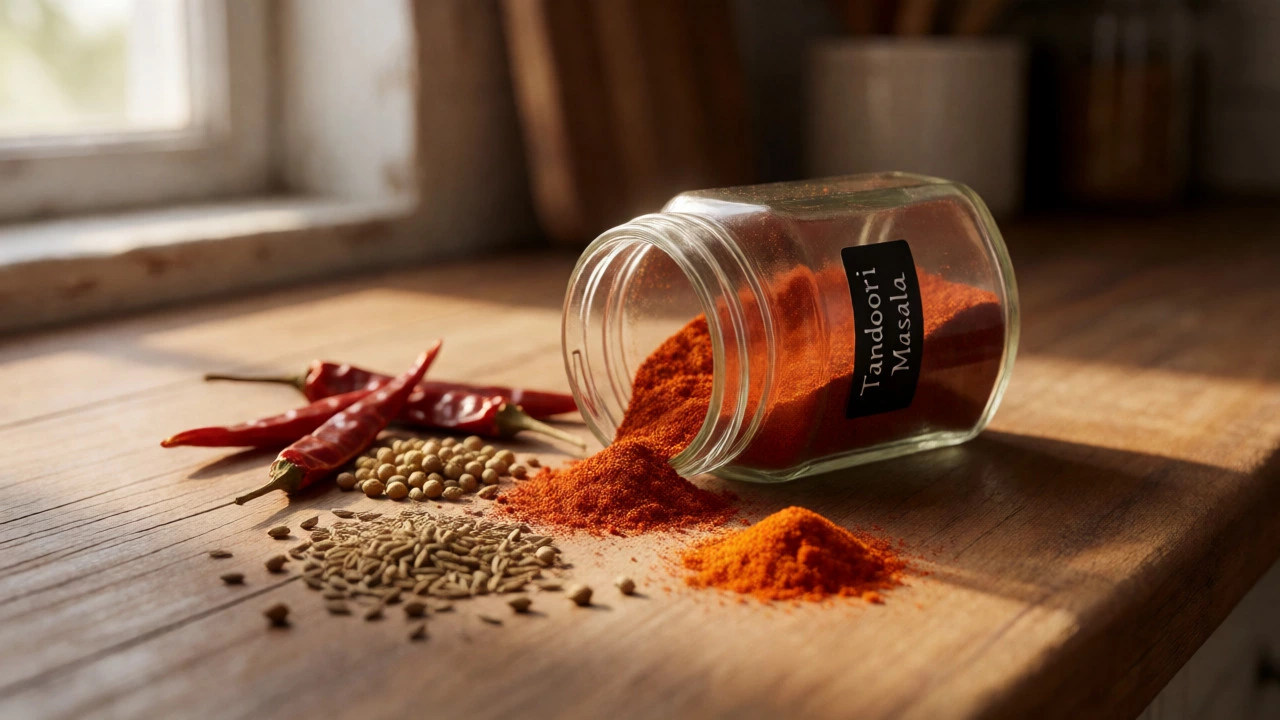
Tandoori Masala Substitute Calculator
Don't have store-bought Tandoori Masala? Use this tool to calculate the perfect DIY blend for your chicken, fish, or vegetables. Adjust heat levels and get instant tips.
Customize Your Blend
Your Custom Spice Mix
You’ve got the chicken marinating, the yogurt is ready, and you’re about to sprinkle in that magical red powder called tandoori masala. But wait-the jar is empty. Or maybe you just moved to a new city where the local grocery store doesn’t stock Indian spices. Panic sets in? Don’t. You can absolutely make a killer tandoori-style dish without the pre-mixed blend. The truth is, tandoori masala isn’t a single ingredient; it’s a specific combination of common spices that create a smoky, tangy, and vibrant heat profile. Once you understand what makes it tick, you can build your own version using stuff already sitting in your pantry.
What Exactly Is Tandoori Masala?
To swap something out effectively, you need to know what you’re swapping. Tandoori masala is a spice blend originating from the Punjab region of India and Pakistan, traditionally used for cooking meat in a clay oven called a tandoor. It’s not just "hot curry powder." It has a distinct flavor profile driven by three main elements: earthiness (from cumin and coriander), heat (from chili), and a unique aromatic depth (often from dried fenugreek leaves or kasuri methi). Some commercial brands add artificial red coloring, but authentic mixes get their hue from Kashmiri red chili powder or paprika.
Why does this matter for substitutions? Because if you just grab generic "curry powder," you’ll miss the smoky, slightly bitter notes that define tandoori flavor. Curry powder often contains turmeric, which gives a yellow color and a different earthy taste that clashes with the traditional red-orange look of tandoori chicken. So, your goal isn’t just to find any spice mix-it’s to replicate that specific balance of smoke, heat, and tang.
The Best DIY Substitute Recipe
If you have basic whole or ground spices, you can make a perfect substitute in under five minutes. This homemade blend mimics the complexity of store-bought versions while letting you control the salt and heat levels. Here’s a reliable ratio that works for about one kilogram of chicken or paneer:
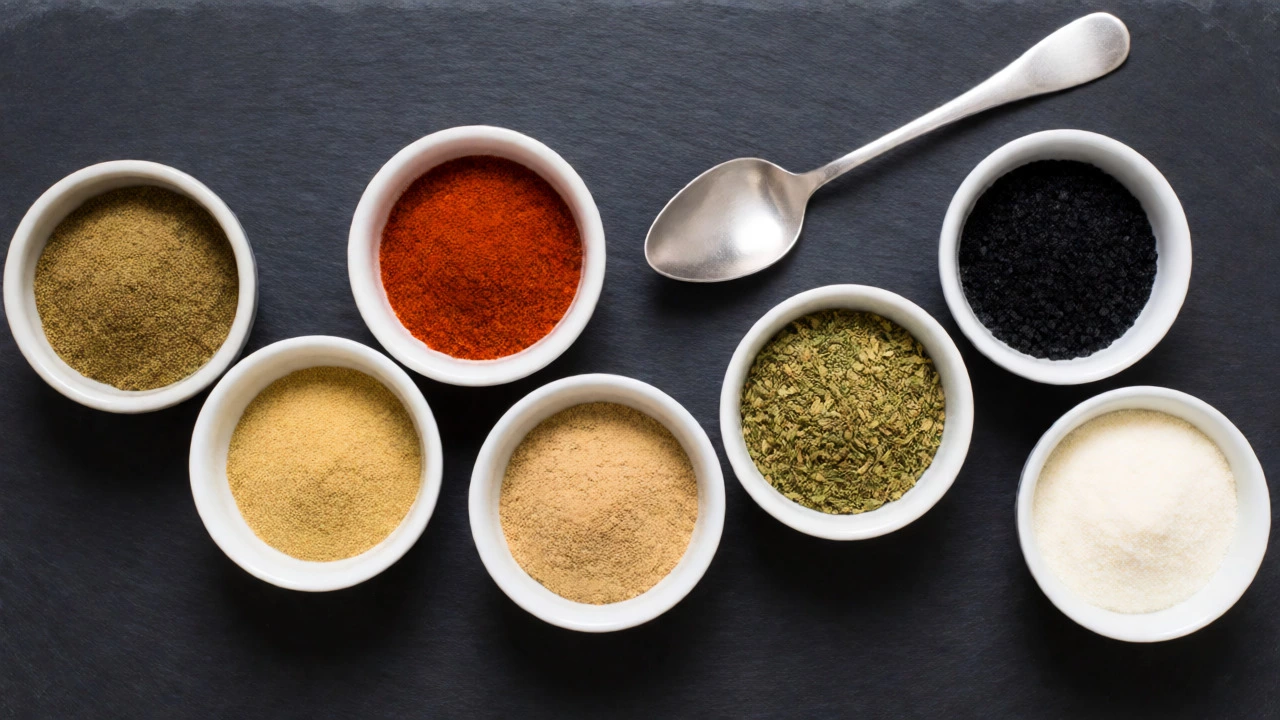
- 1 tablespoon Ground Cumin: Provides the warm, nutty base note.
- 1 tablespoon Ground Coriander: Adds citrusy brightness and thickens the marinade texture.
- 1 teaspoon Kashmiri Red Chili Powder (or Paprika): Gives the signature red color without overwhelming heat. If you only have regular cayenne, use half a teaspoon.
- 1/2 teaspoon Garam Masala: Adds sweet warmth with cinnamon, cardamom, and cloves.
- 1/2 teaspoon Dried Fenugreek Leaves (Kasuri Methi): Crushed between your palms. This is the secret weapon for that authentic restaurant aroma.
- 1/4 teaspoon Black Salt (Kala Namak): Adds a sulfurous, eggy depth that cuts through the richness of yogurt.
- Pinch of Ginger Powder and Garlic Powder: For convenience, though fresh grated ginger/garlic in the marinade is better.
Mix these thoroughly. If you don’t have black salt, regular sea salt works fine, but you lose a layer of complexity. If you lack fenugreek, skip it rather than substituting with celery seed, which tastes too vegetal.
Commercial Alternatives When You’re Short on Time
Not everyone wants to measure out seven different jars. Sometimes you need a quick fix. Here’s how other common spice blends stack up against real tandoori masala.
| Spice Blend | Flavor Profile Match | Color Result | Adjustments Needed |
|---|---|---|---|
| Garam Masala | Low-Medium | Brownish | Add extra chili powder and lemon juice to mimic tang and heat. |
| Curry Powder | Medium | Yellow-Orange | Omit turmeric-heavy mixes. Add smoked paprika for depth. |
| Chili Powder | High Heat, Low Aroma | Red | Mix with cumin, coriander, and garlic powder to complete the profile. |
| Smoked Paprika | Low Heat, High Smoke | Deep Red | Combine with garam masala and lemon zest to fake the tandoor effect. |
Notice that no single off-the-shelf product is a perfect 1:1 swap. Garam masala is too sweet and lacks heat. Curry powder is too yellow and often contains turmeric, which changes the visual appeal of tandoori dishes. Your best bet among packaged goods is usually a high-quality "Indian Cooking Mix" specifically labeled for tandoori, but if you’re stuck, mixing chili powder with a bit of garam masala gets you closer than either alone.
How to Replicate the Smoky Tandoor Flavor
Here’s the hard truth: a clay tandoor cooks at temperatures exceeding 400°C (750°F), creating a charred exterior and juicy interior through intense radiant heat. A standard home oven tops out around 230°C (450°F). No spice blend can fully replicate the physical charring process, but you can trick your taste buds.
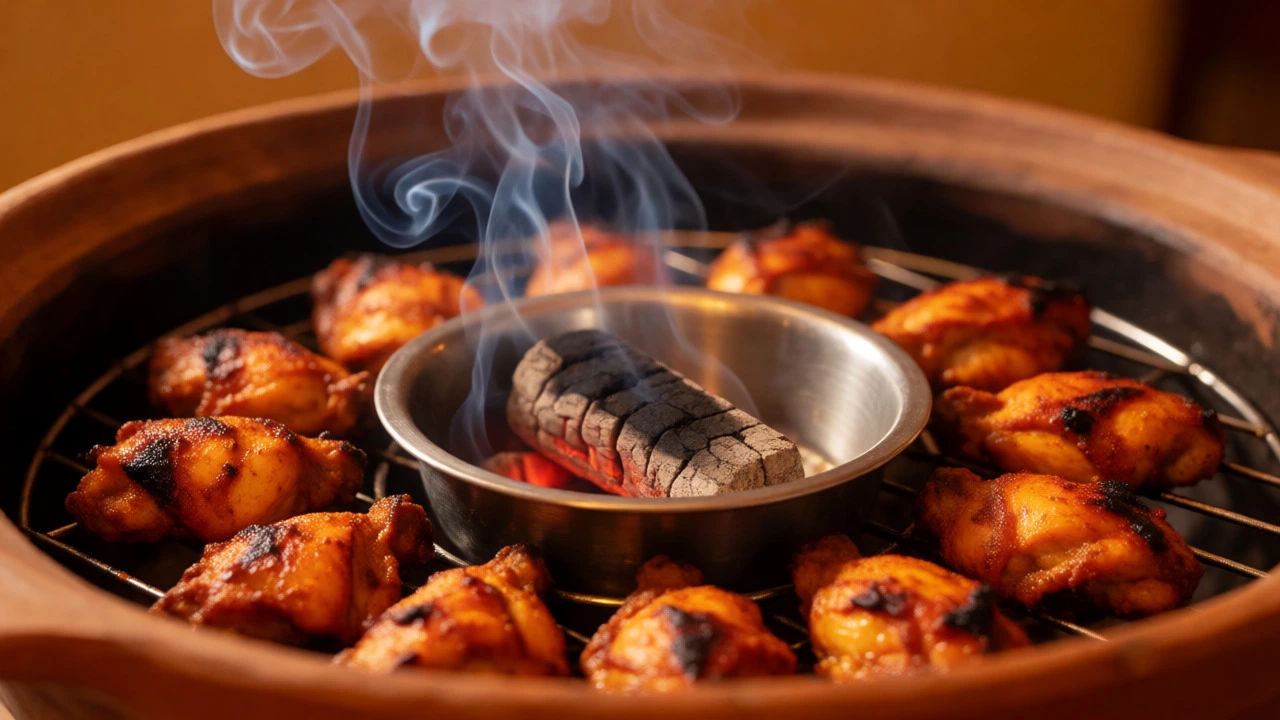
First, use smoked paprika or chipotle powder in your substitute mix. These bring an immediate campfire scent that reminds us of wood-fired cooking. Second, try the "coal smoking" technique. After grilling or baking your chicken, place a small piece of burning charcoal in a steel bowl set inside the pot of cooked food. Drizzle a drop of ghee or oil on the coal and cover the pot immediately. Let it sit for two minutes. The smoke infuses the meat with that elusive tandoori essence. This method works wonders even when using a simple cumin-coriander-chili mix.
Common Mistakes to Avoid
I’ve seen many home cooks ruin a good batch of chicken by overcompensating for missing ingredients. Here are the pitfalls to dodge:
- Using Turmeric Liberally: Traditional tandoori masala rarely uses much turmeric. If you add a teaspoon of turmeric because you think "Indian food needs turmeric," your chicken will turn mustard yellow instead of orange-red. Skip it or use a tiny pinch.
- Ignoring Acid: Tandoori marinades rely on yogurt for tenderness and lemon juice or amchoor (dry mango powder) for tang. If your spice substitute lacks tanginess, squeeze in more lemon juice during marination. The acid balances the heavy spices.
- Over-Salting Commercial Blends: Store-bought tandoori masalas often contain significant amounts of salt. If you’re making your own substitute, taste it before adding extra salt to the yogurt marinade. Start with less; you can always add more later.
- Fresh vs. Dry Spices: While dry powders are convenient, fresh ginger-garlic paste adds moisture and pungency that dry powders can’t match. Always include fresh aromatics alongside your dry spice substitute.
Adapting for Different Proteins
Tandoori masala isn’t just for chicken. If you’re cooking vegetables like cauliflower or potatoes, or proteins like fish or lamb, you might need to tweak your substitute.
For fish, reduce the heat. Fish absorbs flavors quickly and delicate white fish can be overwhelmed by heavy cumin and chili. Use less chili powder and lean heavier on coriander and mild paprika. Add a touch of fennel seed powder if you have it, as it pairs beautifully with seafood.
For lamb, increase the robustness. Lamb stands up to strong flavors. You can double the amount of black pepper and add a pinch of asafoetida (hing) to your substitute mix. Asafoetida has a pungent, onion-garlic-like smell that complements gamey meats perfectly.
For vegetables, ensure you have enough fat. Vegetables lack the natural fats of meat, so they don’t carry fat-soluble spice flavors as well. Increase the amount of oil or ghee in your marinade when using a homemade spice substitute to help the flavors adhere to the surface.
Final Thoughts on Flexibility
Cooking is forgiving, especially with Indian cuisine. You don’t need a degree in chemistry to make great tandoori chicken. The core idea is balancing earthy, spicy, and tangy notes. If you run out of tandoori masala tomorrow, don’t cancel dinner. Grab your cumin, coriander, and chili powder. Add some lemon juice and yogurt. Throw it in the oven. It won’t be identical to the restaurant version, but it will be delicious, authentic in spirit, and made with what you actually have. That’s the beauty of home cooking-you adapt, you improvise, and you feed people.
Can I use curry powder instead of tandoori masala?
Yes, but it’s not a perfect substitute. Curry powder typically contains turmeric, which gives a yellow color and different earthy flavor. To make it work, omit or reduce the turmeric-heavy varieties, add extra chili powder for heat, and include lemon juice to mimic the tanginess of tandoori masala.
What gives tandoori masala its red color?
Authentic tandoori masala gets its red hue primarily from Kashmiri red chili powder, which provides vibrant color with moderate heat. Some commercial brands also add artificial red food coloring or paprika. If you are making a substitute, use paprika or Kashmiri chili powder to achieve the same visual effect.
Is tandoori masala spicy?
It varies by brand and recipe. Generally, tandoori masala has a medium heat level. However, because it is mixed with yogurt and cream in marinades, the final dish is often milder than it seems. If you prefer less heat, reduce the chili powder in your homemade substitute and increase the paprika for color.
Can I make tandoori masala without fenugreek leaves?
Yes, you can. Dried fenugreek leaves (kasuri methi) provide a distinct maple-like, buttery aroma that is characteristic of tandoori dishes. If you don’t have them, simply leave them out. Do not substitute with fresh fenugreek leaves, as they are too grassy and watery for this dry spice blend.
How long does homemade tandoori masala last?
Store your homemade substitute in an airtight glass container in a cool, dark cupboard. Ground spices lose potency over time, so for the best flavor, use the blend within 3 to 6 months. Whole spices, if you grind them yourself right before cooking, will last longer and taste fresher.