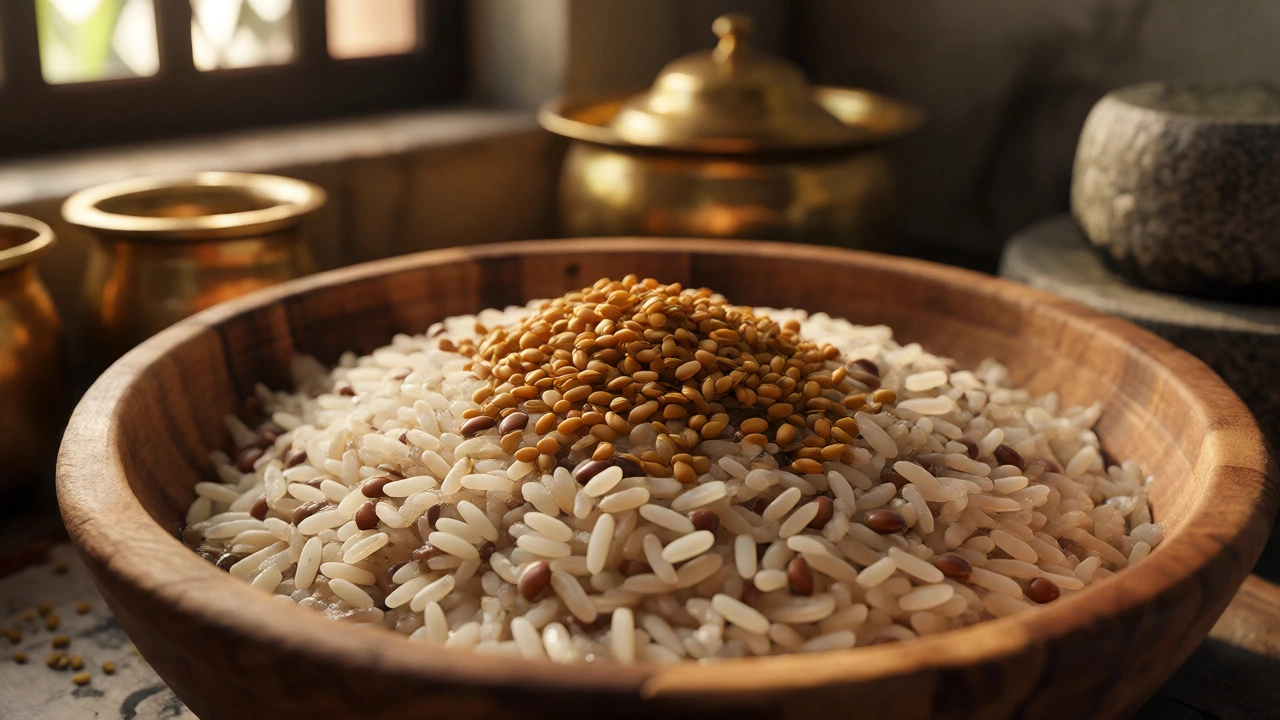
Dosa Batter Fenugreek Calculator
Ensure your dosas are golden, crispy, and perfectly fermented by using the right ratio of fenugreek (methi) to grains. Enter your ingredient amounts below.
Recommended Dosage
Why this matters?
- ✅ Fermentation: Provides natural sugars for yeast/bacteria growth.
- ✅ Color: Carotenoids aid in Maillard browning for that golden hue.
- ✅ Health: Soluble fiber lowers glycemic index and improves digestion.
You’ve probably noticed those tiny, amber-colored seeds floating in your grandmother’s dosa batter or spotted them in the ingredient list of every serious South Indian cookbook. It’s easy to dismiss fenugreek (methi) as just another spice, but it’s actually the secret engine behind that perfect, crispy, golden-brown dosa. Without it, you’re left with a flat, pale pancake that lacks the signature tang and texture we all crave.
So, why exactly do we add fenugreek to dosa batter? The short answer: it drives fermentation, boosts nutrition, and improves texture. But the real story is about how these humble seeds interact with rice and urad dal to create something greater than the sum of their parts. Let’s break down the science, the culinary magic, and how you can use this knowledge to upgrade your breakfast game.
The Fermentation Powerhouse
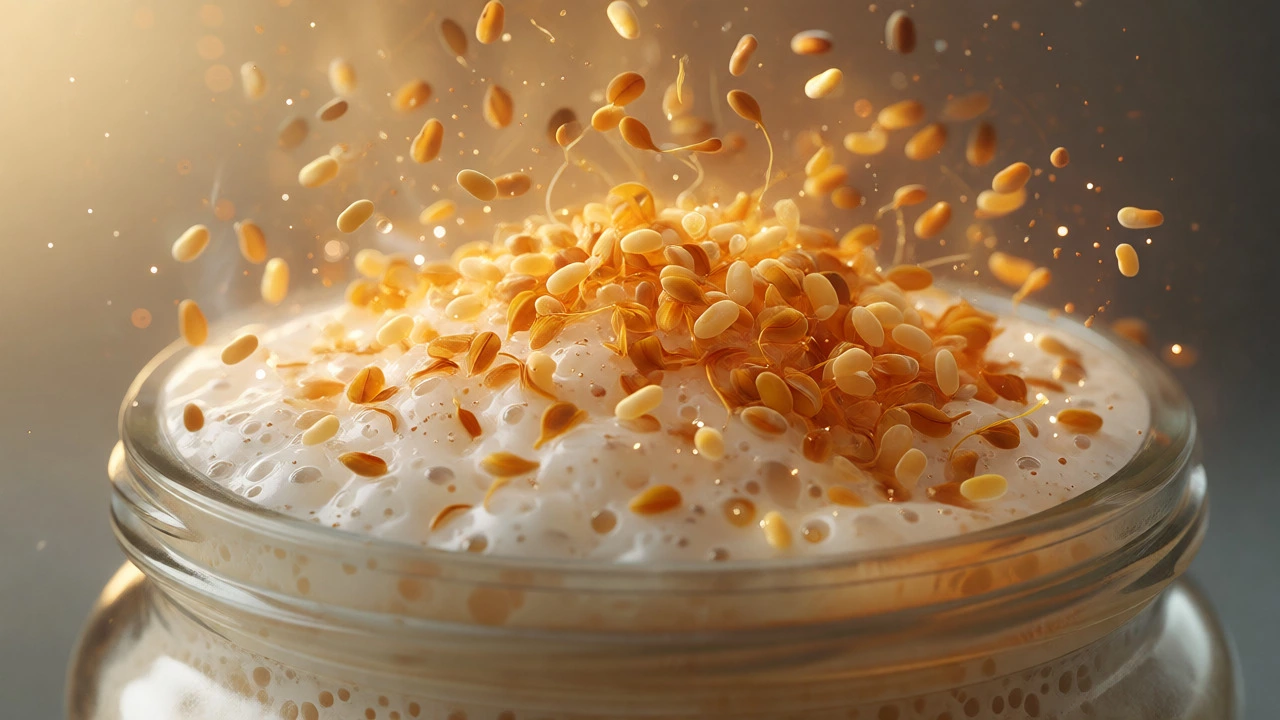
Fermentation is where the magic happens in dosa batter. You mix rice and black gram lentils (urad dal), soak them, grind them, and then wait. But what are you waiting for? You’re waiting for wild yeasts and lactic acid bacteria to wake up and start working. This is where fenugreek earns its keep.
Fenugreek seeds are packed with natural sugars and starches that serve as food for these microbes. Think of them as premium fuel for the fermentation process. When you add methi to the batter, you’re essentially giving the yeast a head start. This leads to faster, more consistent rising, especially in cooler climates like Bristol, where ambient temperatures might slow things down.
- Faster Rise: Batches with fenugreek often double in size within 8-10 hours at room temperature, compared to 12+ hours without it.
- Consistent Texture: The enhanced microbial activity creates a finer, more uniform crumb structure inside the dosa.
- Better Flavor Development: Longer, healthier fermentation produces complex organic acids that give dosas their characteristic sour note.
Texture and Color: The Golden Glow
Ever wonder why some dosas have that irresistible deep golden hue while others look sad and beige? A large part of that color comes from fenugreek. These seeds contain carotenoids and other pigments that deepen during cooking. When the batter hits the hot tawa (griddle), the Maillard reaction kicks in-a chemical reaction between amino acids and reducing sugars that browns foods and adds flavor.
Fenugreek accelerates this browning process. The sugars in the seeds caramelize quickly, creating those crispy edges and dark spots that define a well-made dosa. Without methi, you might find yourself staring at a pale, rubbery pancake that refuses to crisp up no matter how long you cook it.
It’s not just about looks, though. The mucilage (a gel-like substance) in fenugreek helps bind the batter components together. This binding property ensures that when you spread the batter thin on the griddle, it holds together instead of tearing. The result? A dosa that is crisp on the outside but remains soft and airy on the inside.
Nutritional Boost You Can Taste
We often think of spices purely for flavor, but fenugreek is a nutritional powerhouse hiding in plain sight. Adding it to your daily breakfast isn’t just a culinary choice; it’s a health hack.
| Attribute | Without Fenugreek | With Fenugreek |
|---|---|---|
| Glycemic Index | Higher (spikes blood sugar) | Lowered (slows glucose absorption) |
| Digestibility | Can cause bloating | Easier digestion due to enzymes |
| Protein Quality | Standard plant protein | Enhanced amino acid profile |
| Mineral Absorption | Average | Improved iron and calcium uptake |
Fenugreek is rich in soluble fiber, specifically galactomannan. This type of fiber slows down the digestion of carbohydrates, preventing sharp spikes in blood sugar levels. For anyone managing diabetes or watching their energy crashes, adding methi to your batter is a smart move. It also aids digestion by stimulating enzyme secretion, making the heavy lentil-based batter easier on the stomach.
How Much Should You Use?
This is where many home cooks go wrong. Too little fenugreek, and you get no benefit. Too much, and your dosa tastes bitter and medicinal. The balance is delicate.
For a standard batch using 3 cups of rice and 1 cup of urad dal, stick to 1 teaspoon of whole fenugreek seeds. If you’re using powdered fenugreek, reduce it to half a teaspoon, as the flavor is more concentrated.
Here’s a quick rule of thumb based on experience:
- Soak Together: Always soak the fenugreek seeds with the urad dal. This allows the seeds to soften and release their compounds into the grinding water.
- Grind Fine: Ensure the seeds are ground completely. Large chunks won’t ferment properly and will leave unpleasant bits in your dosa.
- Adjust for Climate: In winter or cold kitchens, you can increase the amount slightly (up to 1.5 tsp) to boost fermentation heat. In summer, stick to the minimum to avoid over-fermentation.
Common Mistakes to Avoid
Even with the right ingredients, small errors can ruin the outcome. Here are the pitfalls I see most often when people ask me why their dosas aren’t turning out right.
Using Old Seeds: Fenugreek loses potency over time. If your jar has been sitting in the cupboard for two years, toss it. Fresh seeds smell strongly of maple syrup and burnt sugar. Old ones smell dusty or nothing at all.
Skipping the Soak: Some people try to grind dry fenugreek directly into the wet batter. Don’t do this. Dry seeds don’t integrate well and can create gritty textures. They need that 6-8 hour soak to hydrate and activate.
Over-Fermenting: Because fenugreek speeds up fermentation, your batter might be ready sooner than you expect. Check it after 8 hours. If it smells overly sour or alcoholic, it’s gone too far. Cook it immediately or refrigerate it.

Alternatives if You’re Out of Methi
What if you open your pantry and realize you’re out of fenugreek? Can you still make good dosa? Yes, but you’ll need to compensate.
Poha (Flattened Rice): Adding a handful of poha to the soaking mix can help with browning and lightness, mimicking some of fenugreek’s textural benefits. It doesn’t help with fermentation as much, so allow extra time.
Sugar or Jaggery: A pinch of sugar added to the batter can feed the yeast, speeding up fermentation. However, it won’t provide the same nutritional benefits or the specific earthy flavor profile.
Commercial Yeast: If you’re in a rush, a tiny pinch of active dry yeast can force the rise. But beware-this bypasses the traditional lactic acid fermentation, resulting in a different, less complex flavor.
While these workarounds are viable, they don’t replicate the full synergy that fenugreek provides. If you bake dosas regularly, keep a fresh supply of methi seeds on hand. They last for months if stored in an airtight container away from light.
The Cultural Context
It’s worth noting that this isn’t just a random addition. In traditional South Indian cuisine, every ingredient has a purpose rooted in Ayurvedic principles. Fenugreek is considered cooling and digestive, balancing the heating properties of fermented foods. Grandmothers across Tamil Nadu, Karnataka, and Andhra Pradesh have used this ratio for centuries, long before modern food science explained the Maillard reaction or glycemic indices.
When you add fenugreek, you’re connecting with a culinary tradition that understands food as medicine. It’s a reminder that our ancestors were savvy chemists, optimizing recipes for both taste and health through trial and error.
Can I skip fenugreek in dosa batter?
Yes, you can skip it, but your dosa will likely be paler, less crispy, and slower to ferment. You may need to adjust the consistency and cooking time to achieve similar results.
Does fenugreek make dosa bitter?
Only if you use too much. Stick to 1 teaspoon per 4 cups of total grains/lentils. Proper soaking and grinding eliminate bitterness, leaving only a subtle, pleasant aroma.
Is fenugreek necessary for idli batter too?
It is highly recommended. While idlis rely more on steam for fluffiness, fenugreek still aids fermentation and adds a slight sweetness that complements the mild taste of idlis.
How long do fenugreek seeds last?
Whole fenugreek seeds stay potent for 6-12 months if stored in a cool, dark place. Ground powder loses flavor much faster, within 3-6 months.
Can I use fenugreek powder instead of seeds?
Yes, but use half the amount. Powder disperses more evenly but lacks the visual appeal and some of the structural benefits of whole seeds during grinding.