Kashmiri Chilli Substitution & Color Estimator
Can't find authentic Kashmiri chilli? Use this tool to create a substitute blend using sweet paprika and cayenne pepper that matches the desired heat level while maintaining a vibrant red hue.
1. Define Your Goal
2. Your Custom Blend
Enter your target heat level and click generate to see your custom spice ratio.
You’ve probably stood over a stove, staring at a pot of curry that looks more like beige mud than the vibrant orange-red dish you saw on the menu. You added plenty of red chilli powder, but instead of turning your food into a fiery masterpiece, it just turned brown and spicy. Why does restaurant-style Indian food glow with that iconic ruby hue while home-cooked versions often look dull?
The secret isn’t just heat-it’s a specific type of pepper. Most people assume that all red chilli powders are created equal. They aren’t. If you want that authentic tandoori chicken or rich rogan josh color without setting your mouth on fire, you need to understand the difference between standard chilli powder and its mild, colorful cousin: Kashmiri chilli.
The Myth of "Heat Equals Color"
Here is the biggest misconception in Indian cooking: we think that if we want our food to be red, we need to use more chilli. This leads to a common disaster where the dish becomes inedibly hot before it achieves the desired visual appeal. In professional kitchens, chefs separate the function of flavor from the function of color. They use two different tools for these two jobs.
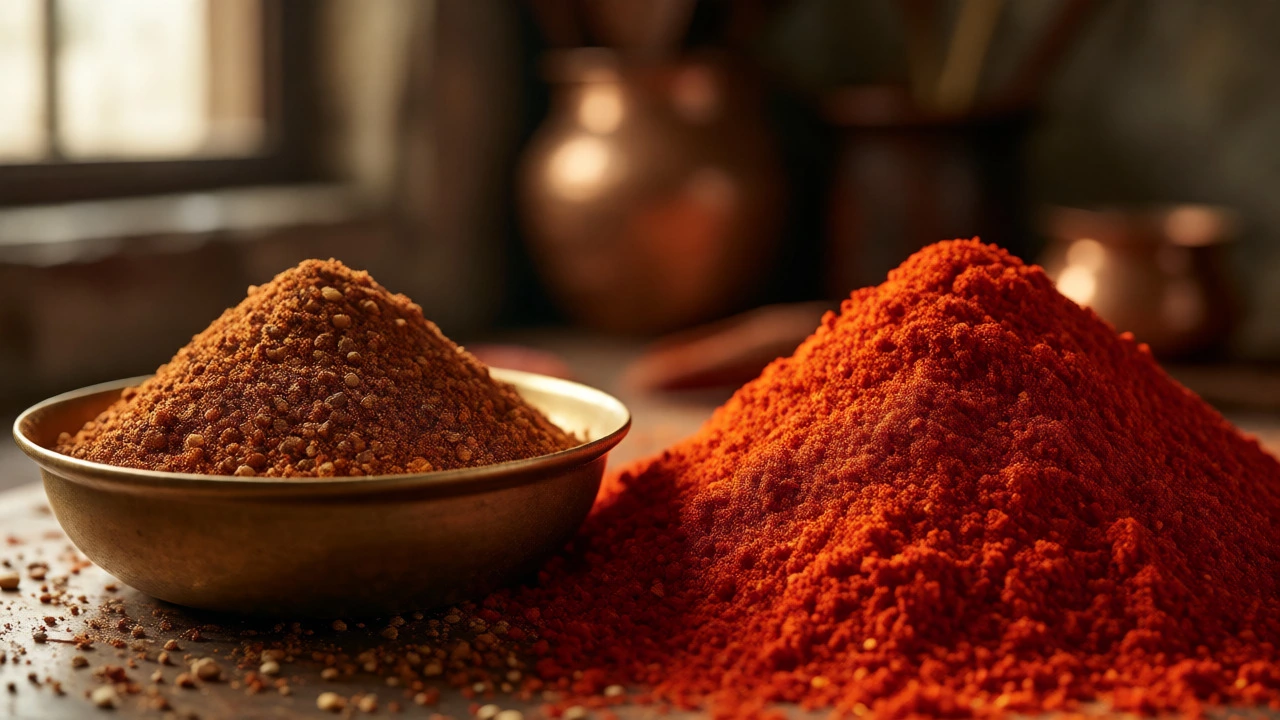
Standard red chilli powder (often labeled as "Lal Mirch") is made from dried red chillies that are high in capsaicin-the compound that causes the burning sensation. These peppers are thin-skinned and intensely pungent. While they do add some redness, their primary job is to deliver heat. If you rely solely on them for color, you’ll end up with a dish that tastes aggressive and looks muddy because the pigments burn off during long cooking times.
Kashmiri Chilli: The Real Hero
Kashmiri Chilli is a variety of dried red chilli known for its deep crimson color and relatively low heat level. Unlike standard chillies, Kashmiri chillies have thick flesh and contain high concentrations of carotenoids, specifically capsanthin, which gives them that brilliant, glossy red pigment.
This spice is native to the Kashmir region in northern India. Historically, it was prized not for its ability to make you sweat, but for its ability to dye rice and curries a stunning shade of scarlet. When you grind Kashmiri chillies into a paste, the oil released is vividly red. This is why tandoori marinades, tikka masalas, and Rogan Josh dishes have that unmistakable glow. It provides visual drama without overwhelming the palate.
| Spice Type | Heat Level (Scoville) | Color Impact | Best Use Case |
|---|---|---|---|
| Kashmiri Chilli | 1,000-2,000 SHU (Mild) | Deep Crimson/Red | Tandoori, Rogan Josh, Tikka Masala |
| Standard Lal Mirch | 15,000-30,000 SHU (Hot) | Brownish-Red | Everyday curries, pickles, dry sabzis |
| Paprika (Sweet) | 0-500 SHU (None) | Bright Orange-Red | Garnishing, mild European dishes |
| Cayenne Pepper | 30,000-50,000 SHU (Very Hot) | Faded Red | Adding kick, not color |
Why Paprika Isn't Always the Answer
Many home cooks in the West try to replicate the red color using sweet paprika. It works, sort of. Paprika comes from bell-pepper-like varieties of Capsicum annuum that have been de-seeded and dried. It has zero heat and a bright orange-red color. However, there is a distinct flavor profile difference.
Paprika can taste slightly smoky or earthy, depending on whether it’s smoked or sweet. Kashmiri chilli, by contrast, has a subtle fruity note that complements tomato-based gravies and yogurt marinades. If you substitute paprika for Kashmiri chilli in a traditional Punjabi curry, the dish might look right, but it will lack that authentic depth. The acidity of tomatoes interacts differently with Kashmiri pigments than it does with paprika, resulting in a richer, more stable color that doesn’t fade to orange after twenty minutes of simmering.
If you absolutely cannot find Kashmiri chilli, here is a hack used by many chefs in Bristol and London: mix sweet paprika with a tiny pinch of cayenne or standard red chilli powder. This mimics the color intensity of Kashmiri chilli while adding back the slight warmth that defines Indian cuisine. But remember, start with less heat than you think you need.
How to Prep Kashmiri Chilli for Maximum Color
Buying the spice is only half the battle. How you prepare it determines how much color you get. Whole Kashmiri chillies are sold dried and wrinkled. Throwing them straight into a hot pan won’t release their full potential. Here is the step-by-step method to extract that beautiful red oil:
- Soak the Chillies: Place 6-8 dried Kashmiri chillies in warm water for 15-20 minutes. This rehydrates the flesh, making it easier to blend and helping to wash away dust.
- Remove Seeds (Optional): For an even milder flavor, slit the chillies and shake out the seeds. The color lives mostly in the skin, so you don’t lose vibrancy by removing the seeds.
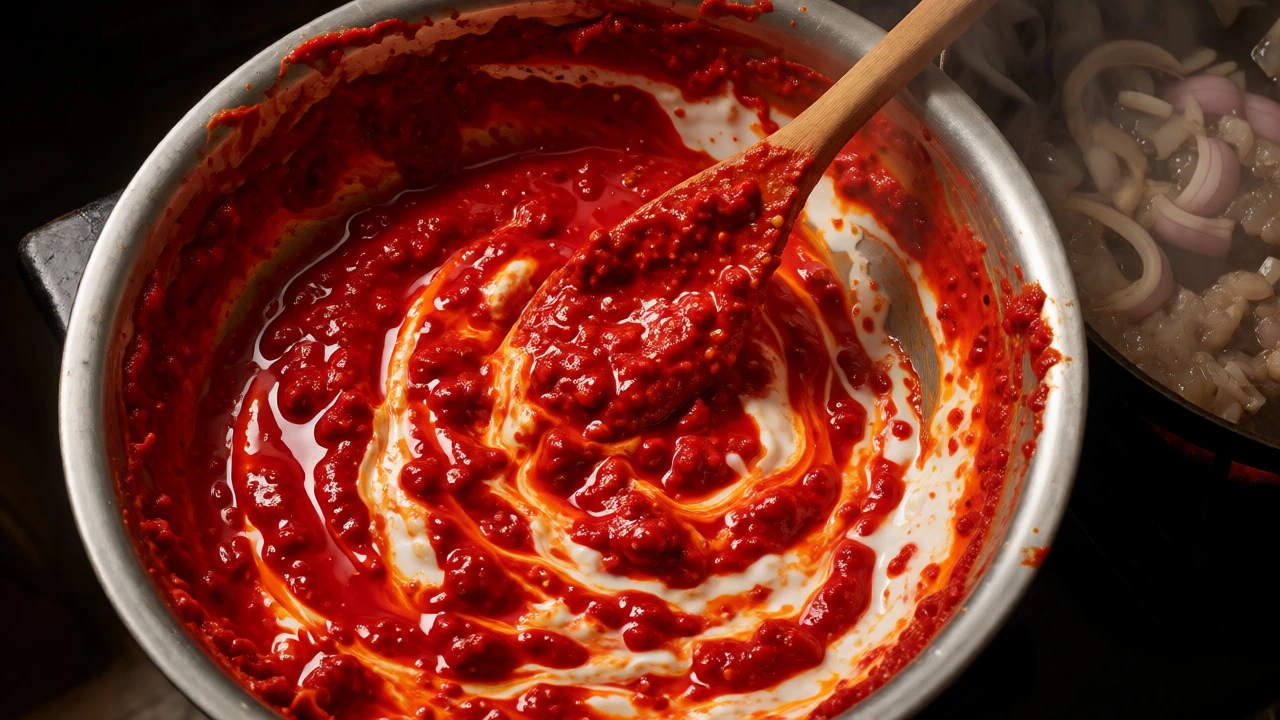
- Blend with Fat: Drain the chillies and blend them into a smooth paste. Crucially, blend them with a little oil or ghee, not just water. The pigments in chillies are fat-soluble. Blending with fat helps suspend the color evenly throughout your gravy.
- Temper Properly: Add this paste to your tempering spices (onions, ginger-garlic) early in the cooking process. Let it cook down until the raw smell disappears and the oil starts to separate from the paste. This "bhunao" step locks in the color.
The Role of Other Ingredients in Color Perception
It’s not just about the chilli. The environment of the dish matters. Yogurt, cream, and coconut milk act as buffers. They soften the harshness of spices and provide a creamy base that reflects light, making the red appear brighter. A clear broth curry with Kashmiri chilli will look darker and more translucent than a creamy tikka masala, even if the amount of chilli is identical.
Tomatoes also play a dual role. They provide lycopene, another red pigment, but their acidity can sometimes dull the brightness of chilli pigments if cooked too aggressively. Balancing the ratio of tomato to chilli paste is key. A good rule of thumb for a medium-spicy, vibrant red curry is a 3:1 ratio of tomato pulp to Kashmiri chilli paste. This ensures the color pops without the dish becoming sour or overly spicy.
Where to Buy Authentic Kashmiri Chilli
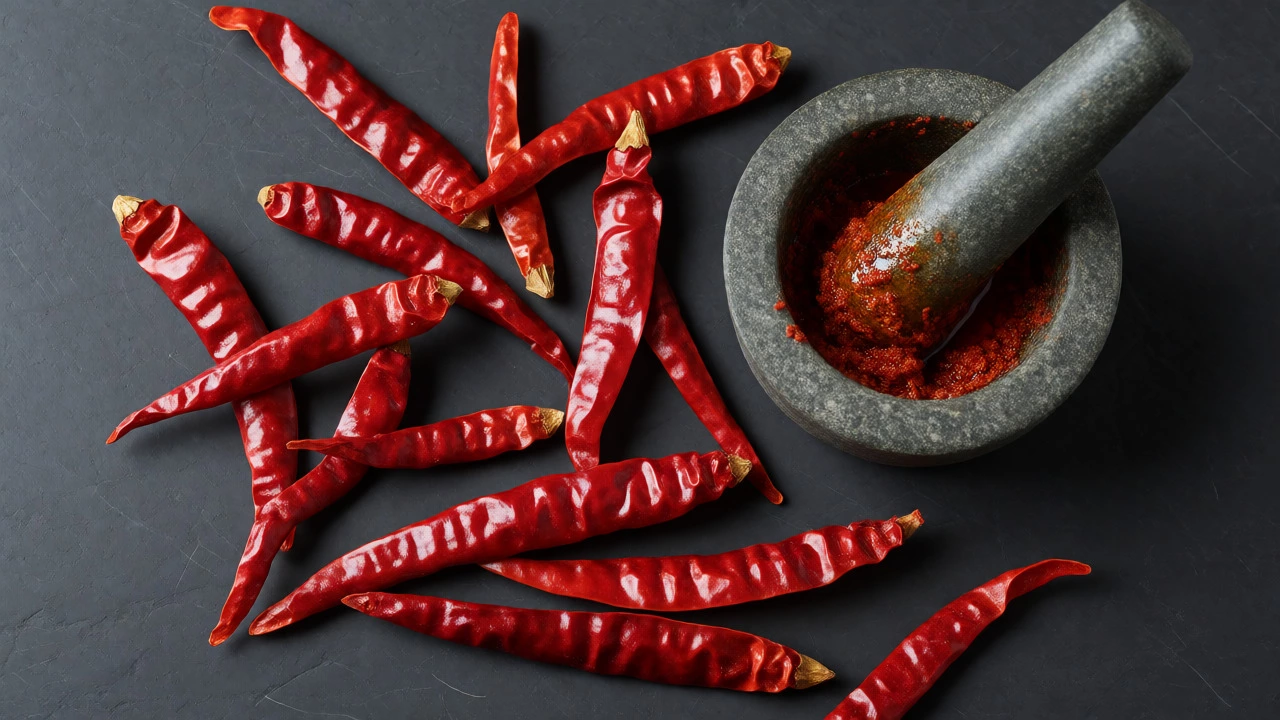
In the UK, finding genuine Kashmiri chilli can be tricky. Supermarkets often sell generic "Indian Red Chilli Powder," which is usually a blend of hotter varieties. To get the real deal, look for whole dried chillies rather than pre-ground powder. Ground powder loses its vibrancy quickly due to oxidation.
Check labels for origin. True Kashmiri chillies are smaller, thicker, and darker than Mexican or Chinese chillies. If the powder looks brick-brown rather than bright red, it’s likely old or mixed with other types. Specialty Indian grocers in cities like Leicester, Southall, or even online retailers specializing in Asian ingredients are your best bet. Store them in an airtight container away from sunlight to preserve that precious pigment.
Troubleshooting Your Red Curry
If your curry still isn’t turning red, check these three factors:
- Overcooking: Pigments break down under prolonged high heat. Add your chilli paste early, but don’t boil the gravy vigorously for hours. Simmer gently.
- Lack of Fat: Without enough oil or ghee, the color remains suspended in water droplets and looks washed out. Ensure you have enough fat in the tempering stage.
- Wrong Variety: Double-check that you didn’t accidentally grab Cayenne or Thai Bird’s Eye chillies. These are far too hot and produce a duller, orangey-red color compared to the deep crimson of Kashmiri varieties.
Understanding the science behind the spice transforms your cooking. You stop guessing and start controlling the outcome. Next time you crave that vibrant tandoori chicken, skip the extra heat and reach for the mild, colorful magic of Kashmiri chilli. Your eyes-and your tongue-will thank you.
Is Kashmiri chilli very spicy?
No, Kashmiri chilli is considered mild. On the Scoville scale, it ranges from 1,000 to 2,000 units, which is significantly lower than standard cayenne or habanero peppers. Its primary purpose is to provide vibrant color and a subtle fruity flavor rather than intense heat.
Can I substitute paprika for Kashmiri chilli?
Yes, but with adjustments. Sweet paprika provides similar color but lacks the specific fruity notes of Kashmiri chilli. To mimic the flavor better, mix sweet paprika with a small pinch of cayenne pepper or standard red chilli powder to reintroduce a hint of warmth.
Why did my curry turn brown instead of red?
This usually happens if you used standard red chilli powder (Lal Mirch) which contains seeds and higher capsaicin levels that oxidize to brown when cooked. It can also occur if the chilli paste was burned during the tempering process. Using Kashmiri chilli and cooking gently prevents this browning.
Does Kashmiri chilli have health benefits?
Like other red chillies, Kashmiri chilli is rich in Vitamin C and antioxidants like capsanthin. Because it is less spicy, you can consume larger quantities without gastrointestinal distress, potentially getting more nutritional benefit per serving compared to extremely hot varieties.
How should I store Kashmiri chilli powder?
Store it in an airtight glass jar in a cool, dark cupboard. Light and air degrade the pigments rapidly, causing the powder to fade to a dull brown. For best results, buy whole dried chillies and grind them fresh as needed.