Indian Chutney Pairing Assistant
Select your preferences and click "Find Perfect Chutney" to see recommendations.
Walk into any Indian home or street food stall, and you’ll notice something consistent: no meal is complete without a small bowl of vibrant, pungent, or sweet paste sitting on the side. That’s chutney, defined as a versatile Indian condiment made from herbs, spices, fruits, or vegetables that adds flavor, texture, and balance to meals. It’s not just an afterthought; it’s the secret weapon that transforms bland dishes into memorable experiences.
If you’ve ever wondered why your homemade dosa tastes flat compared to the ones at your favorite South Indian restaurant, the answer usually lies in the chutney. But what exactly do Indians use chutney for? Is it just a dip? The reality is far more complex. Chutneys act as emulsifiers, digestive aids, flavor enhancers, and cultural markers all rolled into one.
The Core Purpose: Balancing Flavors
In Indian cuisine, every dish aims for a balance of six tastes: sweet, sour, salty, bitter, pungent, and astringent. Most main courses lean heavily on one or two profiles-dal is earthy and mild, biryani is rich and spiced, idli is soft and neutral. Chutney bridges the gap.
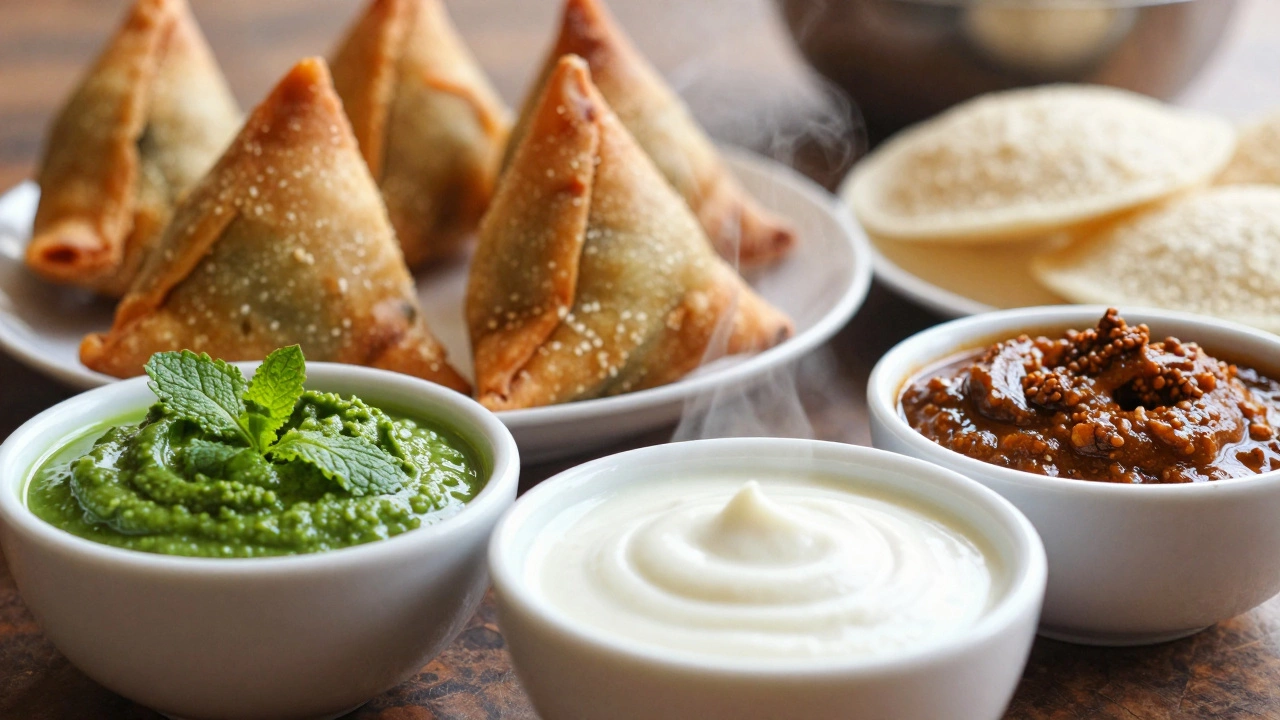
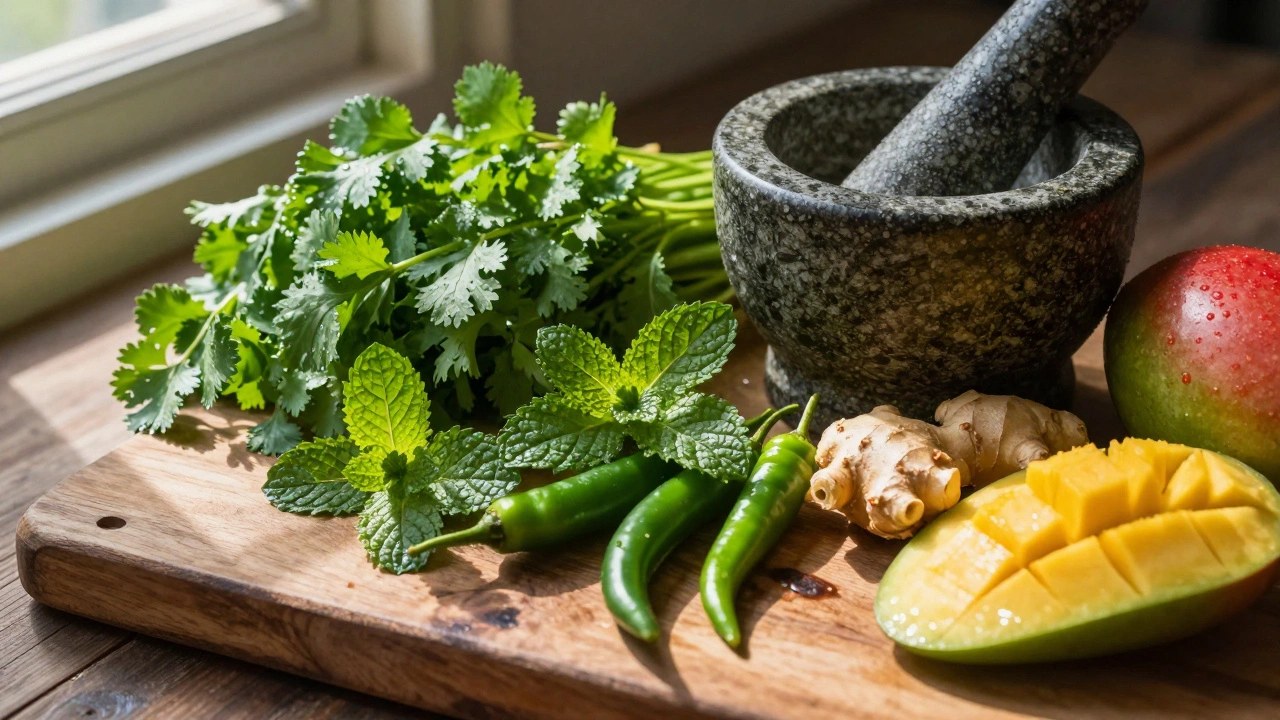
Take green chutney, which is a tangy, spicy paste primarily made from cilantro, green chilies, ginger, and tamarind. When paired with fried snacks like samosas or pakoras, the acidity cuts through the oiliness, cleansing your palate between bites. Without it, the heaviness of the fried batter would overwhelm your taste buds quickly. This isn’t just about adding heat; it’s about creating contrast.
- Acidity: Tamarind or lemon juice in chutneys brightens heavy, starchy foods.
- Heat: Green chilies provide a sharp kick that stimulates saliva production, aiding digestion.
- Freshness: Herbs like mint and cilantro add aromatic notes that cooked spices can’t replicate.
This balancing act is why you’ll see multiple types of chutney served simultaneously at weddings or festive meals. Each serves a specific role in managing the sensory experience of eating.
Regional Variations and Their Specific Uses
India’s geography dictates its chutney culture. What works in humid Kerala won’t necessarily work in dry Rajasthan. Understanding these regional preferences helps you choose the right chutney for the right dish.
| Region | Primary Base Ingredient | Key Flavor Profile | Traditional Pairing |
|---|---|---|---|
| South India (Kerala/Tamil Nadu) | Coconut | Creamy, nutty, mildly spicy | Idli, Dosa, Appam |
| North India (Punjab/Haryana) | Cilantro/Mint | Herby, tangy, fiery | Pani Puri, Chaat, Kebabs |
| West India (Maharashtra/Gujarat) | Tamarind & Jaggery | Sweet, sour, sticky | Vada Pav, Bhel Puri |
| East India (Bengal/Odisha) | Mango (Raw) | Astringent, spicy, sour | Rice, Fish Curry |
Coconut chutney, popular in South Indian states where coconuts are abundant, offers a cooling effect that contrasts with hot, fermented rice cakes. In contrast, the North relies on dried red chilies and fennel seeds to create a powder-like chutney (mirchi podi) that absorbs moisture from steamed idlis, preventing them from becoming soggy while adding intense flavor.
Street Food: The Essential Companion
You cannot talk about chutney without mentioning Indian street food. Here, chutney isn’t optional-it’s structural. Street vendors rely on chutneys to mask inconsistencies in ingredient quality and to provide instant gratification to hungry customers.
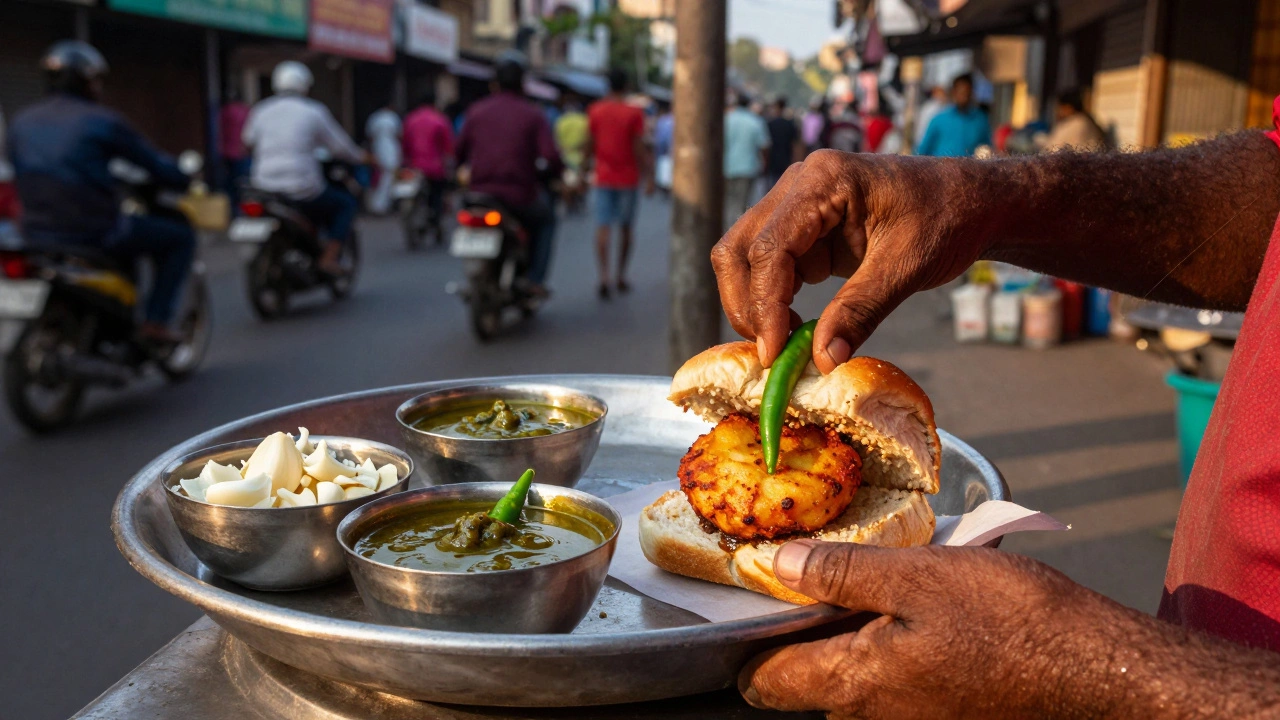
Consider the humble Vada Pav, a spicy potato fritter sandwiched in a bread roll, iconic to Mumbai street food culture. The standard accompaniment is three distinct chutneys: garlic chutney (for umami), tamarind chutney (for sweetness), and green chili chutney (for heat). This trio ensures that every bite hits multiple flavor notes. If you remove the chutneys, the Vada Pav becomes a dry, monotonous potato ball. The chutneys bind the components together, literally and figuratively.
Similarly, Pani Puri-a hollow crisp shell filled with spiced water-relies on the liquid consistency of green chutney to infuse the filling. The chutney here acts as a delivery system for flavor, penetrating the porous structure of the puri.
Digestive Benefits and Health Considerations
Many people assume chutney is purely for taste, but traditional Indian dietetics views it as functional food. Ingredients commonly found in chutneys have proven digestive properties.
- Ginger: Stimulates gastric juices and reduces nausea.
- Cumin: Enhances enzyme activity in the gut.
- Mint: Soothes the stomach lining and reduces bloating.
- Tamarind: Rich in antioxidants and aids in bowel regularity.
When eaten with heavy meals like curries or rice-based dishes, chutney helps break down fats and proteins. This is why you’ll often see elders serving a spoonful of fresh mint chutney before starting a large feast. It’s not superstition; it’s practical wisdom passed down through generations.
However, moderation matters. Some chutneys, especially those made with excessive salt or preserved in oil, can be high in sodium. Freshly ground chutneys are always healthier than store-bought jars, which often contain preservatives and stabilizers.
Beyond the Plate: Creative Modern Uses
While traditional usage remains dominant, modern chefs are experimenting with chutney in unexpected ways. You’re no longer limited to dipping.
- Marinades: Blend onion-tomato chutney with yogurt to marinate chicken tikka. The acids tenderize the meat while infusing deep flavor.
- Sauce Base: Reduce tamarind chutney with brown sugar to create a glaze for roasted vegetables or pork belly.
- Salad Dressing: Thin out coconut chutney with lime juice and olive oil for a creamy dressing over kale salads.
- Smoothie Boost: Add a teaspoon of mint-cilantro chutney to green smoothies for an extra kick of freshness.
These applications show that chutney is adaptable. Its concentrated flavor profile makes it a powerful tool for enhancing Western dishes too. Imagine putting a dollop of mango chutney on a cheese board-the sweetness complements sharp cheeses beautifully.
How to Store and Preserve Chutney
Fresh chutney has a short shelf life due to oxidation and bacterial growth. To maximize longevity:
- Refrigeration: Store in an airtight glass jar for up to 3-4 days. Add a layer of oil on top to prevent air exposure.
- Freezing: Pour into ice cube trays and freeze. Pop out individual cubes as needed for quick cooking.
- Pickling: Cooked chutneys with vinegar or sugar last months. Raw chutneys should never be pickled long-term unless properly sterilized.
Avoid using metal spoons when scooping chutney, as acidic ingredients can react with metal, altering the taste and potentially causing discoloration.
Common Mistakes to Avoid
New cooks often struggle with chutney consistency and flavor balance. Here are frequent pitfalls:
- Over-blending: Processing chutney into a completely smooth puree removes texture. Leave some coarse bits for better mouthfeel.
- Ignoring Salt: Salt isn’t just for seasoning; it draws out moisture from herbs, making blending easier and intensifying flavors.
- Using Old Herbs: Wilting cilantro or mint loses its volatile oils, resulting in a dull, grassy taste. Always use fresh produce.
- Wrong Liquid Ratio: Adding too much water dilutes flavor. Use tamarind pulp or lemon juice instead to maintain intensity.
Remember, chutney is personal. Adjust spice levels and sweetness to your preference. There’s no single “correct” recipe, only what works for your palate.
Can I substitute fresh chutney with jarred versions?
Yes, but expect differences in flavor and texture. Jarred chutneys often contain preservatives and lack the brightness of freshly ground ingredients. They work well for cooking but aren’t ideal as dips for delicate foods like idli.
Why does my chutney turn black after a day?
Oxidation causes color change, especially in chutneys with onions or garlic. To prevent this, add a splash of lemon juice or store under a thin layer of oil. It’s safe to eat despite the dark color.
Is chutney vegan-friendly?
Most chutneys are naturally vegan. However, some traditional recipes include ghee or yogurt. Always check ingredients if dietary restrictions apply.
How spicy should Indian chutney be?
Spiciness varies by region and personal tolerance. Green chutney tends to be hotter, while coconut chutney is milder. Start with fewer chilies and adjust gradually.
Can I make chutney ahead of time for parties?
Absolutely. Prepare chutney 1-2 days in advance to allow flavors to meld. Store in the fridge and bring to room temperature before serving for best taste.