Roti Dough Softness Calculator
Enter details to see your recipe.
💡 Chef's Tip
You’ve probably watched your grandmother or a local dhaba chef knead dough for hours without adding a drop of oil, yet their rotis stayed soft for days. Then you try the same method at home in Bristol, and by lunchtime, your chapatis are hard enough to use as frisbees. So, why do modern recipes almost always tell you to add oil or ghee to the flour before adding water? Is it a shortcut, a tradition, or actual food science?
The short answer is: it’s both convenience and chemistry. Adding fat to your wheat flour dough changes how the gluten develops and how moisture is retained. It doesn’t just make the process easier; it fundamentally alters the final texture of your roti. Let’s break down exactly what happens when that golden liquid hits the dry flour, and whether you actually need it every single time.
The Science Behind Fat and Flour
To understand why oil matters, you first need to look at what’s happening inside the bowl. Wheat flour contains two proteins, gliadin and glutenin, which form gluten when mixed with water. Gluten is the elastic network that gives bread its structure. In traditional hand-rolled rotis, this network needs to be strong but not tough.
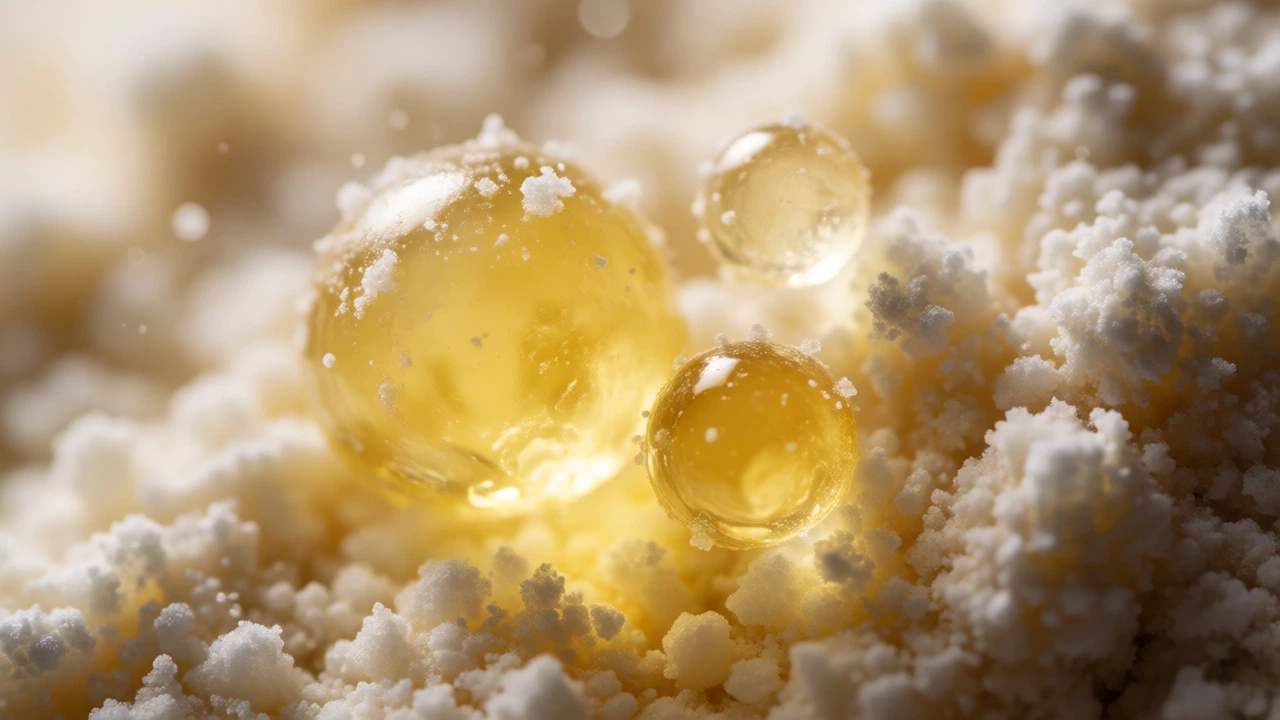
Fat acts as a "shortener." This is a baking term, but it applies perfectly here. When you coat the flour particles with oil or melted ghee before adding water, you create a hydrophobic (water-repelling) barrier around the starch granules and protein strands. This barrier prevents water from hydrating the proteins too quickly and extensively. As a result, less gluten forms during the initial mixing phase.
| Dough Type | Gluten Development | Moisture Retention | Rolling Ease | Final Texture |
|---|---|---|---|---|
| No Fat (Traditional) | High | Low (dries out faster) | Difficult (tears easily) | Chewy, becomes hard quickly |
| With Oil/Ghee | Moderate/Limited | High (fat traps steam) | Easy (pliable) | Soft, pliable, stays fresh longer |
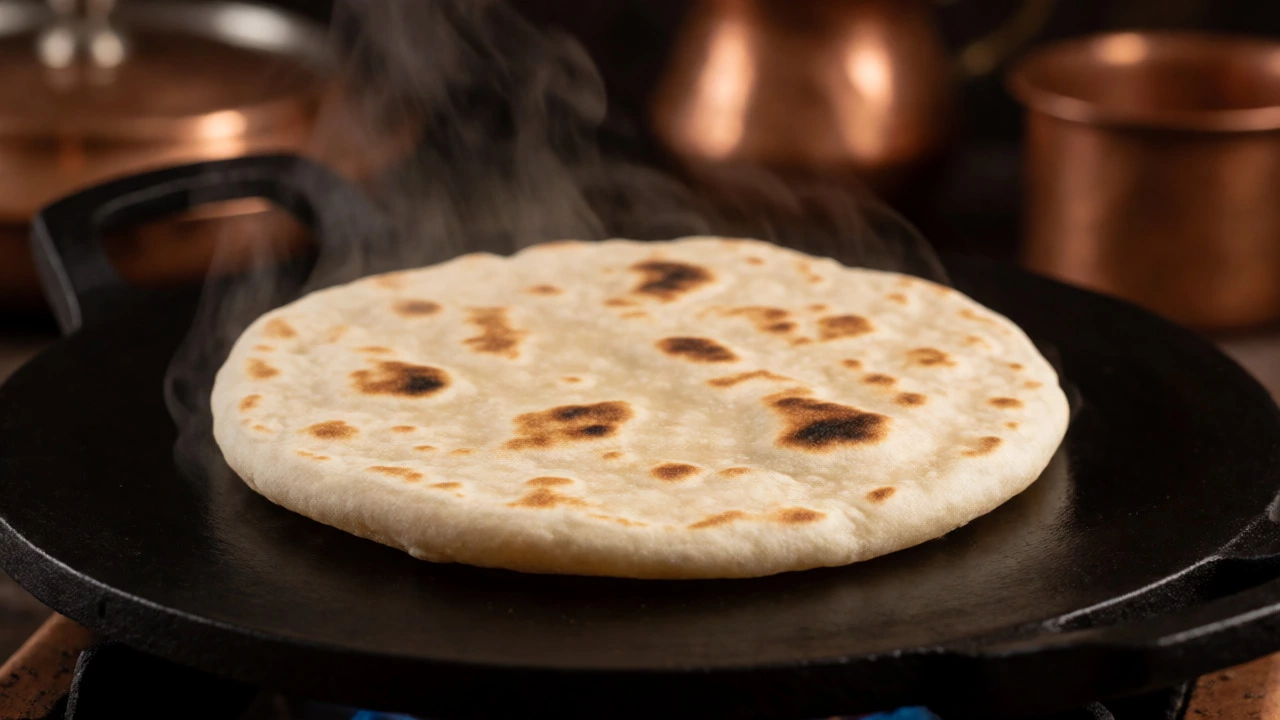
This limited gluten development is key. If the gluten network is too tight, the dough resists rolling. You’ll find yourself pulling the edges back, or worse, tearing the circle. With fat present, the dough relaxes more easily. It stretches without snapping back, allowing you to roll thinner, more uniform circles. This is crucial for getting those perfect puff-ups on the tawa.
Moisture Retention: The Secret to Long-Lasting Softness
We all hate the "hard roti" problem. You make a batch for dinner, wrap them in a cloth, and an hour later they’re stiff. Why does this happen? It’s called retrogradation. Essentially, the starch molecules in the cooked roti begin to recrystallize as they cool, squeezing out moisture. This makes the bread rigid.
Adding fat slows down this process significantly. Fat molecules interfere with the starch chains’ ability to align and crystallize. They essentially lubricate the internal structure of the crumb. Furthermore, fat is hydrophobic, meaning it helps trap steam within the layers of the roti during cooking. When you cook a roti with oil in the dough, the water turns to steam, expands the layers, and the fat coats these expanded pockets, keeping them open even after the roti cools down.
Try this experiment next time you make parathas versus plain rotis. Parathas have layers separated by fat, so they stay flaky. But even in a simple single-layer roti, that small amount of oil integrated into the dough creates microscopic barriers against moisture loss. If you plan to carry rotis in a tiffin box to work, that teaspoon of oil per cup of flour is your best insurance policy against lunchtime staleness.
Which Fat Should You Use?
Not all fats are created equal when it comes to flavor and performance. While the chemical effect on gluten is similar, the culinary outcome varies wildly.
- Ghee: This is the gold standard for flavor. Ghee has a high smoke point and a distinct nutty aroma that permeates the roti. However, pure ghee solidifies at room temperature. If you live in a colder climate like Bristol, your dough might feel stiffer if you use only ghee and let it sit for too long. It’s best used when you want rich, aromatic rotis to accompany dal or paneer.
- Neutral Vegetable Oil: Sunflower, canola, or light olive oil works well for everyday rotis. They remain liquid at room temperature, ensuring the dough stays pliable. They don’t alter the taste, letting the natural sweetness of the whole wheat shine through. This is ideal for beginners who are still mastering their rolling technique.
- Butter: Rarely used in traditional Indian kitchens for roti, but effective. Butter contains milk solids which can burn if the tawa is too hot, potentially giving the roti a slightly burnt taste if not careful. It adds a creamy richness but lacks the high heat stability of ghee.
For most home cooks, a mix is often best. A little ghee for flavor, topped up with neutral oil for consistency. Or simply stick to one based on what you’re serving. If you’re making stuffed parathas, ghee is non-negotiable for the filling layers, but the outer dough can handle any oil.
Technique Matters More Than Quantity
Here is where many people go wrong. They dump oil into the water, then pour the mixture into the flour. Don’t do that. To get the full benefit of the "shortening" effect, you must incorporate the fat into the dry flour before adding water.
When you rub the fat into the flour, you ensure every particle is coated. If you add oil later, it just sits on the surface or creates uneven pockets. Proper incorporation means rubbing the flour between your palms until it looks like wet sand or breadcrumbs. Only then do you add water gradually.
How much oil do you actually need? Less than you think. For 1 cup of atta (whole wheat flour), 1 teaspoon of oil is usually sufficient. Some chefs swear by half a teaspoon. Adding too much oil can make the dough greasy, causing the roti to slide around on the tawa instead of gripping and heating evenly. It can also prevent the roti from browning properly because the surface is slicked with fat rather than directly contacting the hot metal.
When to Skip the Oil
Is oil mandatory? No. There are scenarios where skipping it yields better results.
If you are making phulkas-the thin, puffed-up rotis that are meant to be eaten immediately-you might skip the oil. Phulkas rely on rapid steam expansion to puff. Too much fat can weigh down the steam bubbles, resulting in a dense, un-puffed roti. These are best served straight off the flame, where freshness compensates for lack of preservatives.
Also, consider dietary restrictions. If you are fasting (vrat/upvas) and avoiding grains or certain oils, you might be using different flours like kuttu (buckwheat) or singhada (water chestnut). These flours behave differently and often require specific binding agents rather than standard wheat gluten management. In those cases, follow the specific recipe guidelines for that flour type.
Another reason to skip oil is health-focused eating. Whole wheat flour itself contains trace amounts of lipids. If you are watching calorie intake strictly, you can omit added fat entirely. The trade-off is texture: your rotis will be healthier but likely harder after cooling. If you choose this route, focus on kneading thoroughly to develop whatever gluten exists, and serve immediately.
Troubleshooting Common Dough Issues
Even with oil, things can go sideways. Here’s how to diagnose your dough based on its behavior.
The dough is too sticky: You likely added too much water relative to the flour, or the oil wasn’t incorporated fully. Sprinkle a little extra dry flour while kneading. Remember, oil makes dough slippery, so it can feel wetter than it is. Trust the texture-it should be smooth and tacky, not gooey.
The dough cracks when rolling: This indicates insufficient hydration or over-kneading. The gluten has become too tight. Rest the dough for 15 minutes under a damp cloth. This allows the gluten strands to relax. If it still cracks, you may have used too little water initially. Wet your hands and gently press water into the ball.
The roti tears during cooking: This often happens if the dough was rolled too thin in spots due to uneven thickness. Fat helps prevent this, but only if the dough was rested. Always rest your dough balls for at least 10-15 minutes before rolling. This step is critical for pliability, regardless of oil content.
Practical Tips for Perfect Rotis Every Time
Based on years of kitchen trial and error, here are some actionable steps to maximize the benefits of adding oil.
- Sift or Mix Dry Ingredients First: Ensure there are no lumps in your atta. Lumps absorb water unevenly, leading to hard spots in the final roti.
- Rub Fat Thoroughly: Spend 30 seconds rubbing the oil/ghee into the flour. This is the most important step for the "softness" factor.
- Add Water Gradually: Never dump all the water at once. Add it tablespoon by tablespoon, mixing with your fingers. Stop when the dough comes together.
- Knead Until Smooth: Knead for 5-7 minutes. The dough should spring back slowly when pressed. If it springs back instantly, it’s overworked. If it leaves a deep indent, it’s underworked.
- Rest the Dough: Cover with a damp cloth and let it sit for 15-30 minutes. This hydrates the flour completely and relaxes the gluten. Do not skip this.
- Control Tawa Heat: Start on medium-high. Once the roti touches the tawa, lower the heat slightly to allow even cooking without burning the exterior before the interior puffs.
Using oil isn't about cheating the traditional method; it's about adapting to modern equipment and schedules. Hand-ground flour behaves differently than store-bought atta. Electric grinders produce finer particles that absorb water differently. Adjusting your fat content is part of mastering your specific ingredients.
Frequently Asked Questions
Does adding oil make roti unhealthy?
Not necessarily. The amount of oil used (typically 1 teaspoon per cup of flour) adds minimal calories and healthy fats. It improves satiety and nutrient absorption. Unless you are using excessive amounts of refined vegetable oils, it remains a balanced component of a traditional diet.
Can I use butter instead of oil in roti dough?
Yes, you can use melted butter. It provides a richer flavor similar to ghee but has a lower smoke point. Be cautious when cooking on a very hot tawa, as the milk solids in butter may burn and impart a bitter taste. Clarified butter (ghee) is generally preferred for high-heat cooking.
Why are my rotis hard even though I added oil?
Hardness is often caused by under-hydration or insufficient resting time, not just lack of oil. If the dough is too dry, the gluten becomes tough regardless of fat content. Ensure you add enough water to make a soft, pliable dough and let it rest for at least 15 minutes before rolling.
How much oil should I add to 1 kg of atta?
For 1 kg of whole wheat flour, approximately 2 to 3 tablespoons of oil or ghee is recommended. This ratio ensures sufficient coating of the flour particles to limit gluten formation without making the dough overly greasy or heavy.
Do I need oil for stuffed paratha dough?
Yes, oil is highly recommended for stuffed parathas. The dough needs to be extremely pliable to stretch over bulky fillings like aloo or gobi without tearing. The fat keeps the outer layer soft and helps seal the edges effectively during cooking.
Can I freeze roti dough with oil?
Yes, dough with oil freezes well. The fat helps maintain texture after thawing. Form the dough into balls, coat lightly with oil, place in an airtight container or freezer bag, and freeze for up to a month. Thaw overnight in the fridge before use.