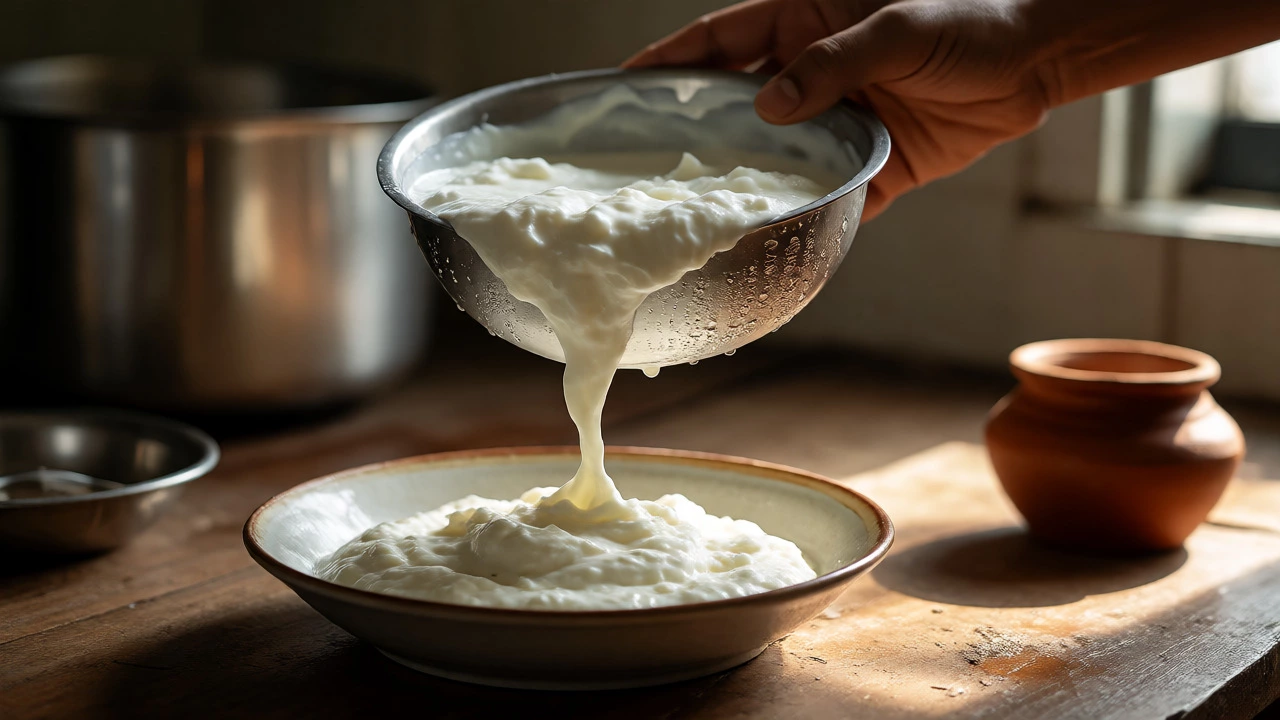
Ayurvedic Dairy Digestibility Checker
According to Ayurveda, dairy isn't one-size-fits-all. Select your primary body constitution (Dosha) to see how different dairy forms affect your digestive fire (Agni).
Vata
Dry, Light, Cold
Irregular Digestion
Pitta
Hot, Sharp, Oily
Strong Digestion
Kapha
Heavy, Slow, Cool
Slow Digestion
| Dairy Form | Verdict | Ayurvedic Reasoning |
|---|
The Best Alternative
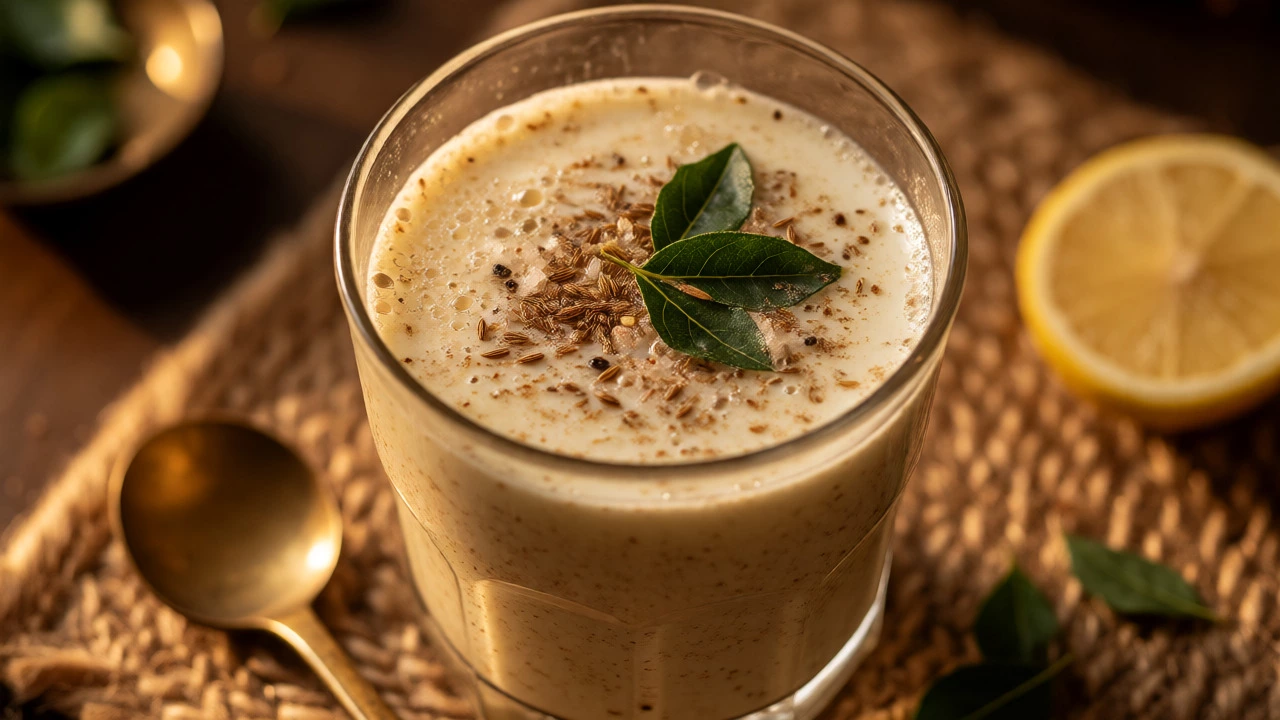
- Mix fresh yogurt with water (1:3 ratio)
- Add pinch of roasted cumin powder
- Add black salt and curry leaves
- Drink warm or at room temperature
You’ve probably heard the advice a thousand times: eat yogurt every day for gut health. It’s in the ads, it’s in the health blogs, and it’s on your breakfast table. But if you ask an Ayurvedic practitioner why they often advise against curd (yogurt), especially at night or for certain body types, their answer might surprise you. They don’t say no because it’s unhealthy in a Western sense; they say no because of how it interacts with your specific biology.
The confusion usually stems from mixing up two very different things: fresh, homemade yogurt versus the processed, cold, store-bought tubs we buy at supermarkets. In Ayurveda, the ancient Indian system of medicine, food is not just fuel-it’s information. And how that information is processed by your digestive fire, known as Agni, determines whether a food heals or harms you.
The Cold Factor: Why Temperature Matters More Than You Think
Here is the core problem: most people eat curd straight from the fridge. In Ayurvedic terms, this is a disaster for digestion. Your stomach needs heat to break down food efficiently. When you introduce a cold, heavy substance like chilled yogurt into your warm digestive tract, you dampen Agni. Think of Agni like a campfire. If you throw wet, cold logs onto it, the fire sputters and dies out. That’s what happens when you eat cold curd.
This dampening effect leads to the formation of Ama, which translates roughly to toxic residue or undigested metabolic waste. Ama is sticky, heavy, and clogs your channels (Srotas). Over time, accumulating Ama is linked to lethargy, brain fog, joint pain, and skin issues. So, when Ayurveda says "no" to curd, it’s really saying "no" to cold, heavy, and improperly prepared dairy.
Kapha Dosha and the Heavy Nature of Dairy
Ayurveda categorizes everyone into three primary body constitutions, or Doshas: Vata, Pitta, and Kapha. Curd has qualities that are heavy, oily, and cooling. These qualities directly aggravate Kapha dosha.
- Kapha individuals: Already tend to have slow digestion, gain weight easily, and feel sluggish. Adding heavy, cold curd makes them heavier and more congested.
- Pitta individuals: Might tolerate curd better because its cooling nature balances their internal heat, but only if it’s fresh and not sour.
- Vata individuals: Often suffer from dryness and irregular digestion. While curd provides moisture, its heaviness can cause bloating and gas if not eaten correctly.
If you identify as high-Kapha-meaning you naturally carry extra weight, have thick hair, and move slowly-your Ayurvedic doctor will likely banish curd from your daily plate. It’s not about being anti-dairy; it’s about respecting your body’s current state.
Fresh vs. Fermented: The Paneer Connection
This is where homemade paneer enters the conversation. Many people assume paneer is just another form of dairy, so if curd is bad, paneer must be too. Not exactly.
Paneer is made by coagulating milk with an acid (like lemon juice) and pressing out the whey. This process removes a significant portion of the lactose and water content, making it lighter and easier to digest than whole yogurt for many people. However, paneer is still heavy. The key difference lies in preparation and timing.
| Dairy Product | Ayurvedic Quality | Digestive Impact | Best For |
|---|---|---|---|
| Cold Store-Bought Curd | Heavy, Cold, Sour | Dampens Agni, creates Ama | Nobody (especially not at night) |
| Fresh Homemade Curd | Moist, Cooling, Lighter | Balances Pitta, aids digestion if room temp | Pitta types, daytime consumption |
| Homemade Paneer | Heavy, Nourishing, Sweet | Can be heavy if fried; light if steamed/grilled | Vata/Pitta types in moderation |
| Buttermilk (Takra) | Light, Astringent, Probiotic | Enhances Agni, reduces Ama | All doshas, especially after meals |
The real hero here isn’t curd or even paneer-it’s buttermilk (known as Takra in Ayurveda). Unlike thick curd, buttermilk is churned to remove butterfat and diluted with water. It’s light, probiotic-rich, and actually stimulates digestion. If you love dairy but hate the bloating, switch to spiced buttermilk. Add a pinch of roasted cumin, black salt, and curry leaves. Suddenly, the dairy becomes a digestive aid rather than a burden.

When Is the Worst Time to Eat Curd?
Ayurveda places huge emphasis on timing. Even healthy foods become harmful if eaten at the wrong time. Curd is considered incompatible (Viruddha Ahara) with sleep.
Eating curd at night slows down your metabolism, which naturally dips during evening hours. This leads to increased mucus production, sinus congestion, and allergies. If you wake up with a stuffy nose or phlegm in your throat, look at your dinner menu. Did you have raita? Lassi? A bowl of yogurt?
Rule of thumb: Never eat curd after sunset. Stick to lunchtime, when your digestive fire is strongest. If you must have dairy at night, opt for warm milk with turmeric or a small piece of freshly cooked paneer in a vegetable stew.
How to Make Curd Digestible (If You Can’t Give It Up)
Let’s be real. Telling someone to stop eating curd entirely is hard, especially in Indian households where it’s a staple. The good news? You can modify how you eat it to align with Ayurvedic principles without giving up the taste.
- Bring it to room temperature: Take your curd out of the fridge 30 minutes before eating. Or better yet, make it at home and let it set in a warm spot.
- Add spices: Mix in roasted cumin powder, black pepper, or a pinch of ginger. These spices counteract the heaviness and coldness.
- Dilute it: Turn it into a lassi or chaas (buttermilk) with water. This reduces the density and makes it easier to process.
- Avoid combining with fruits: Ayurveda warns against mixing dairy with sweet fruits (like bananas or mangoes) or sour fruits (like oranges). This combination creates Ama. Keep curd with savory dishes like rice or vegetables.
The Modern Gut Health Paradox
You might wonder, "But doctors say probiotics are good!" And they are. But not all probiotics are created equal. Commercial yogurts are often pasteurized, killing off beneficial bacteria, then artificially inoculated with strains that may not survive your stomach acid. Plus, they’re loaded with sugar and thickeners.
True Ayurvedic wisdom suggests that fermentation should be natural and short. Long-fermented, sour curd increases acidity and Pitta imbalance. Fresh, mild curd is preferable. If you have sensitive digestion, consider skipping dairy altogether and getting probiotics from fermented vegetables like sauerkraut or kimchi, which are lighter and don’t create mucus.
Key Takeaways
- Temperature matters: Cold curd kills digestive fire. Always eat it at room temperature.
- Timing is crucial: Avoid curd at night to prevent mucus and Ama buildup.
- Know your Dosha: Kapha types should limit curd; Pitta types can enjoy it in moderation.
- Preparation counts: Spiced buttermilk is superior to plain curd for digestion.
- Combination rules: Don’t mix curd with fruits or hot drinks immediately.
Is curd completely forbidden in Ayurveda?
No, it is not forbidden. It is restricted based on individual constitution (Dosha), timing, and preparation. For Pitta types, fresh curd can be beneficial. For Kapha types, it is often discouraged.
Why does Ayurveda say no to curd at night?
Curd is heavy and cold. At night, your digestive fire (Agni) is weak. Eating heavy, cold food slows digestion further, leading to the accumulation of Ama (toxins) and increased mucus production, which can cause congestion and allergies.
Is homemade paneer better than curd according to Ayurveda?
It depends on preparation. Paneer is lighter than whole curd because much of the whey and lactose is removed. However, it is still heavy. Steamed or grilled paneer is easier to digest than deep-fried paneer. Both should be consumed in moderation and ideally during lunch.
What is the best alternative to curd for gut health?
Spiced buttermilk (Takra) is the preferred Ayurvedic alternative. It is lighter, aids digestion, and provides probiotics without the heaviness and mucus-forming properties of thick curd.
Can I eat curd with fruit?
Ayurveda considers the combination of dairy and fruit to be incompatible (Viruddha Ahara). It can disrupt digestion and lead to toxin formation. It is best to eat fruits separately from dairy products.