The Indian Dessert Royalty Quiz
Discover which sweet deserves the crown by evaluating it against the article's royal criteria.
Gulab Jamun
Rasgulla
Kaju Katli
Jalebi
You walk into a wedding reception in Delhi, or maybe you’re just craving something sweet after a heavy biryani on a Tuesday night in Bristol. The plate arrives. It’s golden-brown, glistening with syrup, and warm to the touch. You take a bite. Is this it? Is this the undisputed monarch of the Indian sweet world?
Ask ten people which Gulab Jamun is the king or queen of Indian desserts, and you’ll get ten different answers. Some will shout for Rasgulla, others for the rich complexity of Kaju Katli. But if we look at popularity, cultural ubiquity, and sheer love, one contender consistently rises to the top.
The Case for Gulab Jamun: Why It Holds the Crown
Let’s be honest. If there is a single dish that defines "Indian dessert" for both locals and the diaspora, it’s Gulab Jamun. This isn’t just hyperbole; it’s data-backed reality. In surveys across India and among South Asian communities abroad, Gulab Jamun frequently tops the list of most requested sweets at festivals like Diwali and Eid.
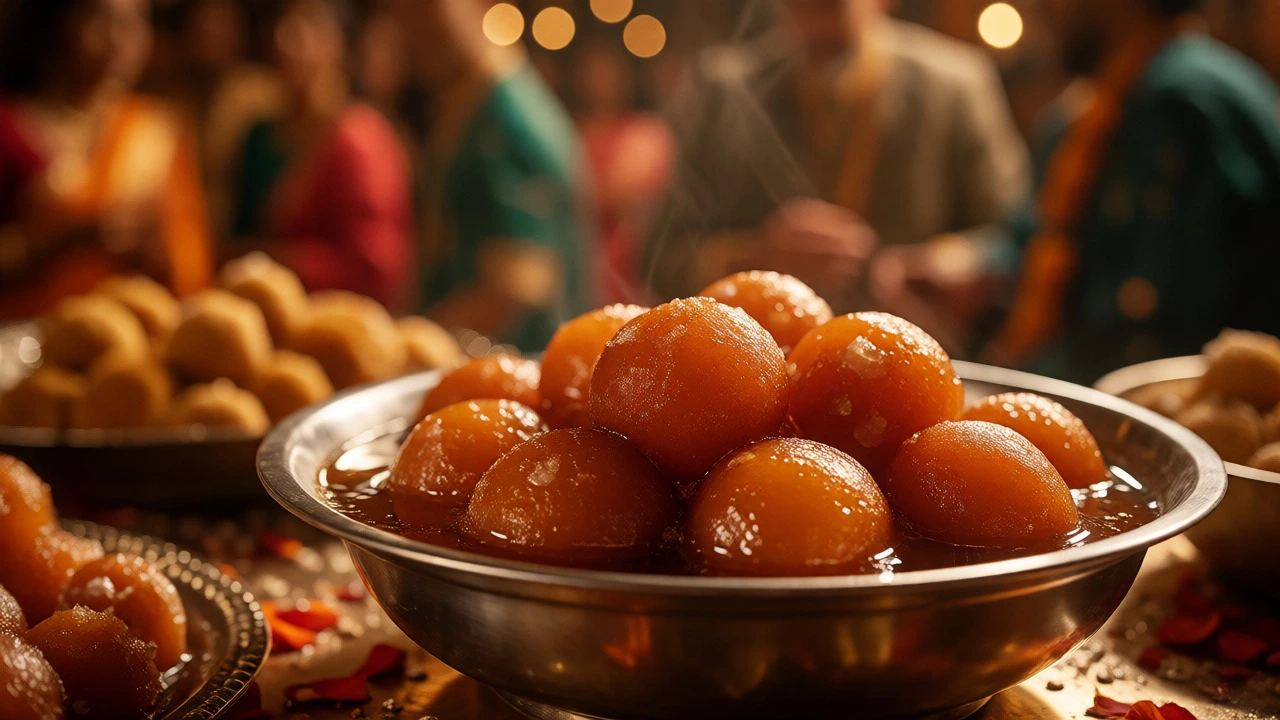
Gulab Jamun is a deep-fried dumpling made from khoya (dried milk solids), soaked in a cardamom-infused sugar syrup. Its appeal lies in its texture contrast: the crisp exterior giving way to a soft, melt-in-your-mouth interior. It’s comforting. It’s indulgent. And unlike many other sweets that can feel overly dry or cloying, a well-made Gulab Jamun balances sweetness with richness perfectly.
Why does it win? Accessibility. You can find them at almost any street corner stall in Mumbai, served hot in steel bowls. You can buy frozen packs at Tesco or Sainsbury’s here in the UK. They are forgiving to make-if you mess up the syrup slightly, they still taste good. That versatility makes them the default choice for hosts who want to impress without risking disaster.
The Challengers: Who Wants the Throne?
While Gulab Jamun wears the crown, three other contenders have strong claims. Ignoring them would be unfair to regional pride and culinary diversity.
Rasgulla: The Eastern Princess
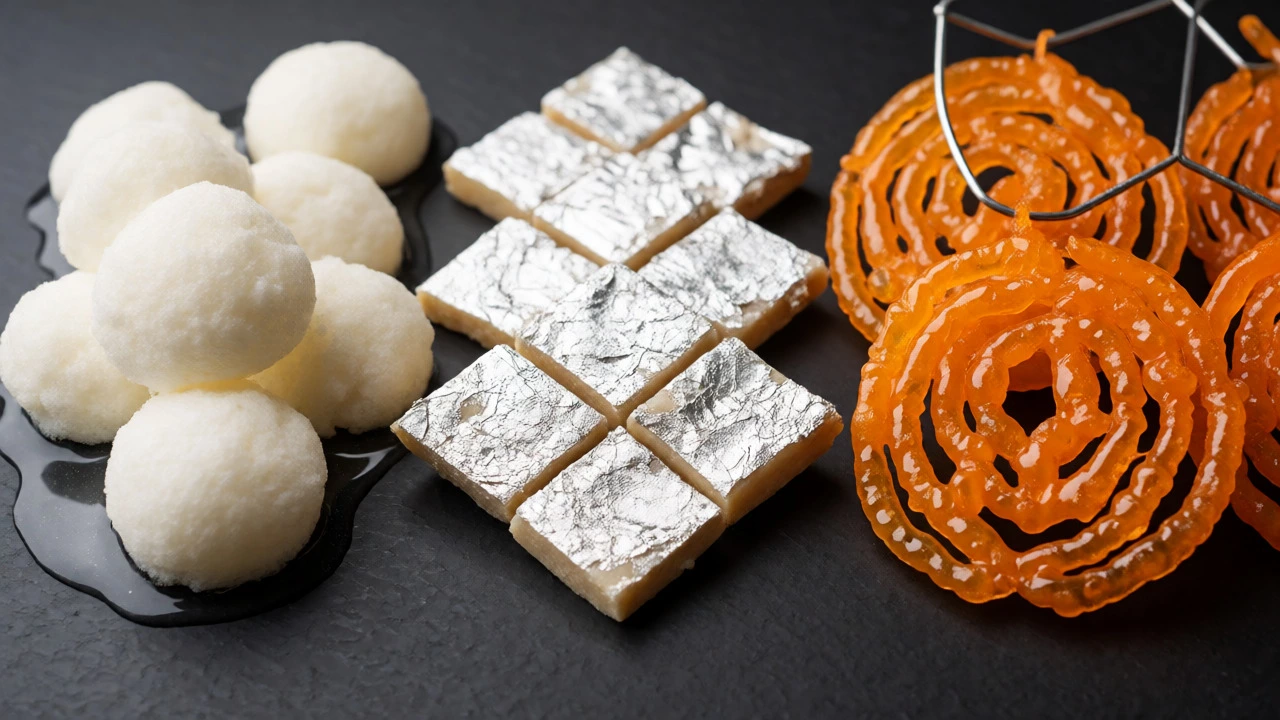
If you ask anyone from Bengal or Odisha, they’ll tell you Gulab Jamun is overrated. Their argument? Rasgulla. Made from chenna (curdled milk) and semolina, these spongy balls soak up light sugar syrup. They are lighter than Gulab Jamun, less oily, and arguably more sophisticated in their simplicity. However, Rasgulla lacks the global brand recognition of its fried rival. It’s also harder to replicate outside India because fresh chenna quality varies wildly by region.
Kaju Katli: The Elegant Diplomat
Kaju Katli doesn’t rely on syrup or frying. It’s pure cashew paste, cooked down until it forms a fudge-like consistency, then cut into diamond shapes. It’s gluten-free, visually stunning, and has a long shelf life. For health-conscious eaters or those avoiding dairy-heavy syrups, Kaju Katli is often the preferred choice. Yet, it lacks the "comfort food" factor. You don’t crave Kaju Katli when you’re sad; you crave something warm and gooey.
Jalebi: The Street Food Star
Jalebi is iconic. Those bright orange spirals hanging in shops are unforgettable. But Jalebi is fragile. It loses its crunch within minutes. You can’t serve it at a dinner party unless you fry it on-site. It’s a snack, not a dessert course. While beloved, its logistical limitations keep it out of the running for the title of "Queen" in formal settings.
Regional Variations: One Country, Many Queens
India isn’t a monolith. What’s considered the top sweet changes as you cross state borders. Understanding this helps you appreciate why there’s no single objective answer, even if Gulab Jamun leads nationally.
| Region | Dominant Sweet | Key Ingredient | Texture Profile |
|---|---|---|---|
| North India | Gulab Jamun | Khoya (Milk Solids) | Soft, Syrupy |
| East India | Rasgulla / Sandesh | Chenna (Cottage Cheese) | Spongy, Dry |
| South India | Mysore Pak / Payasam | Ghee / Rice & Milk | Friable / Liquid |
| West India | Basundi / Shrikhand | Reduced Milk / Yogurt | Creamy, Thick |
In the South, Payasam (or kheer) rules. It’s a rice or vermicelli pudding cooked slowly with milk and jaggery. It’s served cold or warm, depending on the occasion. While delicious, it’s often seen as a ceremonial offering rather than a standalone treat. In the West, specifically Gujarat and Maharashtra, Shrikhand-a strained yogurt sweetened with saffron-is the go-to. It’s refreshing, especially after spicy meals, but again, it serves a specific digestive purpose rather than being a universal crowd-pleaser.
What Makes a Dessert "Royal"?
To decide who is queen, we need criteria. We aren’t just talking about taste. We’re looking at:
- Universality: Does everyone like it? Kids, elders, guests who don’t usually eat Indian food?
- Versatility: Can it be served hot, cold, at weddings, or during casual tea time?
- Emotional Connection: Does it evoke nostalgia?
- Availability: Can you easily find or make it anywhere in the world?
By these metrics, Gulab Jamun scores highest. It passes the "grandma test" (she approves), the "guest test" (even non-Indians love it), and the "availability test" (found globally). Rasgulla fails the availability test outside Eastern India. Kaju Katli fails the emotional comfort test. Jalebi fails the longevity test.
Making the Queen at Home: A Quick Guide
So, you’ve accepted Gulab Jamun as the queen. Now, how do you cook her properly? Most people fail because they rush the process or use the wrong flour ratio.
- Get the Khoya Right: If you’re in the UK, buying fresh khoya is hard. Use powdered milk mixed with ghee and a little water to form a dough, or buy high-quality frozen khoya from an Indian grocer. Do not substitute with plain milk powder alone; it won’t bind.
- Knead Gently: Over-kneading makes the jamuns tough. Just mix until smooth.
- Fry Low and Slow: This is critical. If the oil is too hot, the outside burns while the inside stays raw. Fry on low heat until they turn golden brown. They should puff up slightly.
- Warm Syrup Only: Never drop hot jamuns into cold syrup. They will crack. Ensure your sugar syrup is warm and at a one-string consistency before transferring the fried dumplings.
- Patience Pays: Let them soak for at least 4 hours, preferably overnight. The magic happens during soaking, where the syrup penetrates the dense center.
If you follow these steps, you’ll understand why this dessert holds the throne. The difference between a store-bought rubbery ball and a homemade, tender Gulab Jamun is night and day.
Beyond the Sugar Rush: Health Considerations
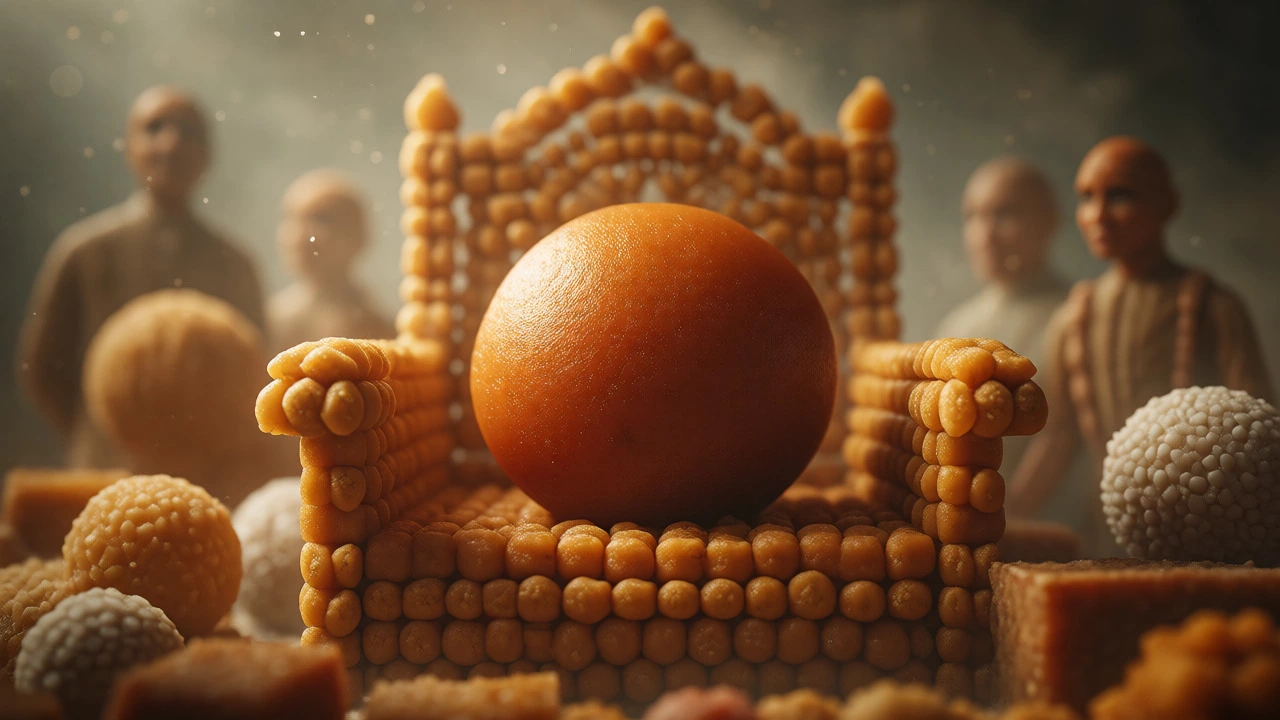
Is Gulab Jamun healthy? Absolutely not. And that’s okay. It’s a celebration food. A single medium-sized Gulab Jamun contains roughly 150-200 calories, mostly from saturated fats and refined sugars. Compare this to Laddoo (besan laddoo), which is calorie-dense due to gram flour and ghee, or Barfi, which is similar to fudge.
If you’re watching your intake, opt for smaller portions. Pair them with unsweetened chai or black coffee to cut through the richness. Avoid pairing them with other sugary drinks. Remember, the goal is enjoyment, not nutrition. Treat it like a slice of chocolate cake-rarely, and mindfully.
The Verdict
There is no scientific law declaring Gulab Jamun the queen. Taste is subjective. But culturally, commercially, and emotionally, it sits atop the pyramid. It bridges generations, crosses regional divides, and adapts to modern kitchens while retaining its traditional soul. When you think of "Indian dessert," your brain likely conjures an image of a brown sphere in syrup. That mental shortcut is the true mark of royalty.
Next time you host a dinner, skip the complicated French pastries. Serve warm Gulab Jamuns. Watch your guests’ faces light up. That reaction is all the proof you need.
Why is Gulab Jamun so popular compared to other Indian sweets?
Gulab Jamun's popularity stems from its universal appeal, ease of availability, and comforting texture. Unlike regional specialties like Rasgulla or Mysore Pak, Gulab Jamun is recognized nationwide and internationally. Its balance of crispy exterior and soft, syrup-soaked interior appeals to a wide demographic, making it a staple at celebrations and casual gatherings alike.
Can I make Gulab Jamun without khoya?
Yes, you can use milk powder as a substitute. Mix full-fat milk powder with ghee and a small amount of milk to form a dough. While traditionalists prefer khoya for its authentic taste and texture, milk powder versions are widely accepted and easier to source in countries like the UK and USA. Ensure you knead gently to avoid toughness.
What is the difference between Gulab Jamun and Rasgulla?
The main difference lies in preparation and ingredients. Gulab Jamun is made from khoya (milk solids), fried, and soaked in thick sugar syrup. Rasgulla is made from chenna (curdled milk), boiled in light sugar syrup, and has a spongy texture. Gulab Jamun is richer and denser, while Rasgulla is lighter and more delicate.
How long can I store Gulab Jamun?
Homemade Gulab Jamun can last 2-3 days at room temperature if kept in an airtight container with the syrup. Refrigeration extends their life to about a week, though the texture may become firmer. To restore softness, microwave them briefly before serving. Frozen jamuns (without syrup) can last up to a month.
Are there healthier alternatives to traditional Indian desserts?
Yes, consider options like fruit-based payasams using dates instead of sugar, or baked barfis using nuts and seeds instead of heavy cream and mawa. Coconut ladoos made with desiccated coconut and jaggery offer fiber and lower glycemic impact compared to fried sweets. However, moderation remains key regardless of the ingredient swaps.