Global Breakfast Matchmaker
Answer these three questions to find your perfect morning meal style.
Your personalized breakfast recommendation will appear here.
Wake up. The smell of coffee hits you first. Then comes the real question: what are you going to eat? For some, it’s a croissant with butter so soft it melts on your tongue. For others, it’s a steaming plate of idli and sambar that wakes up the soul. But if we had to pick just one winner for the title of best breakfast in the world, where would our votes go?
I’ve spent years eating my way through morning menus from Bristol to Bangalore, and I can tell you this: there is no single "best." There is only the best for your mood, your schedule, and your stomach. However, when we look at flavor depth, nutritional balance, and cultural significance, a few countries rise to the top. And surprisingly, one of them might be closer to home than you think.
The Case for India: Flavor Without the Fat
Let’s start with the heavyweight contender that often gets overlooked by Western food critics: India. If you are looking for a meal that is complex, spicy, and incredibly satisfying without weighing you down, Indian breakfast is unmatched. Unlike the heavy carb-bombs of Europe or the sugary pastries of North America, traditional Indian morning meals are designed to fuel you for hours while keeping digestion smooth.
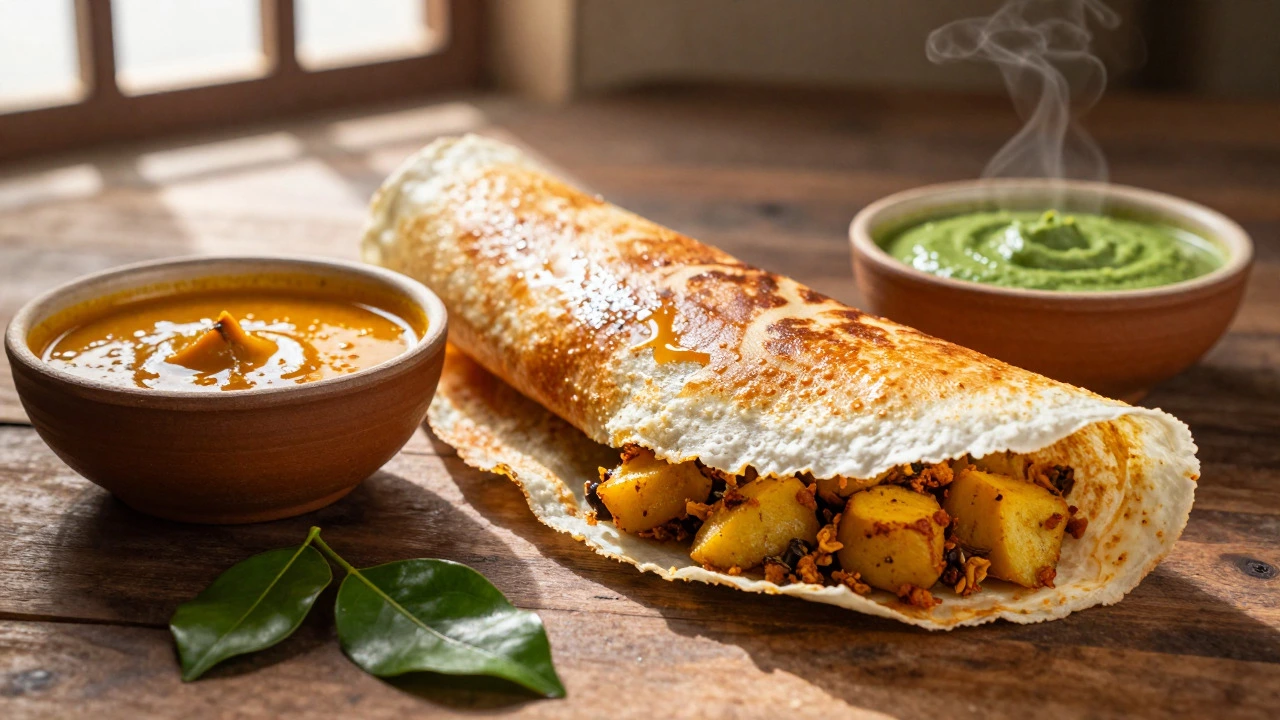
Think about it. You have dosa, which is essentially a crispy crepe made from fermented rice and lentils. Fermentation isn’t just a cooking trick; it breaks down anti-nutrients and makes the food easier to digest. Then you have idli, a steamed cake that is light as air but packed with protein. And let’s not forget poha, flattened rice tossed with peanuts, curry leaves, and turmeric. It’s ready in ten minutes, costs pennies, and tastes like comfort itself.
For those asking about a quick breakfast in India, the answer is simple: chutney and pickle. You don’t need a full meal to get the flavor profile. A slice of toast with coconut chutney or a spoonful of mango pickle with yogurt gives you that distinct tangy-spicy kick that jumpstarts your day. This approach to breakfast-balancing sweet, sour, salty, and spicy-is something very few other cultures master.
Europe’s Heavy Hitters: France and Italy
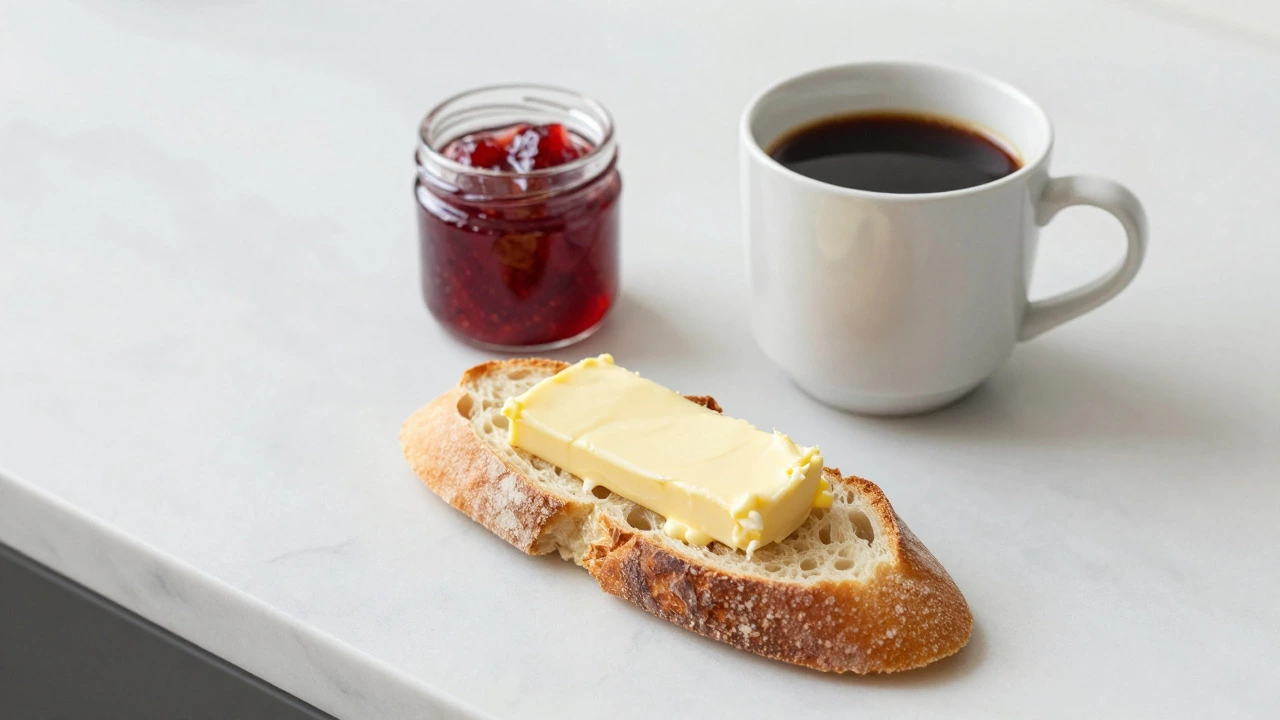
If India wins on complexity, Europe wins on simplicity and quality of ingredients. Take France. The French breakfast, or *petit déjeuner*, is famously understated. It’s usually just bread, butter, jam, and coffee. No eggs, no bacon, no fuss. But here’s the secret: the bread is fresh from the bakery, the butter is high-fat and cultured, and the jam is made from real fruit. It’s a masterclass in doing less but making it count.
Italy takes a different route. In many parts of Italy, breakfast is sweet. You’ll find people standing at bar counters drinking espresso and eating cornetti (similar to croissants but richer). It’s a ritual, not a refueling station. The focus is on social connection and starting the day with a small pleasure. It’s elegant, yes, but it doesn’t keep you full until lunch. If you’re an athlete or someone who works physically, the Italian breakfast might leave you hungry by 10 AM.
The American Powerhouse: Volume Over Variety
Then there’s the United States. The American breakfast is built for volume. Pancakes, waffles, eggs, bacon, sausage, hash browns-it’s a buffet. It’s undeniably delicious if you love meat and sugar. But nutritionally? It’s a rollercoaster. You get a spike of energy from the carbs and fats, followed by a crash later in the morning. It’s great for weekends, but hard to sustain daily without feeling sluggish.
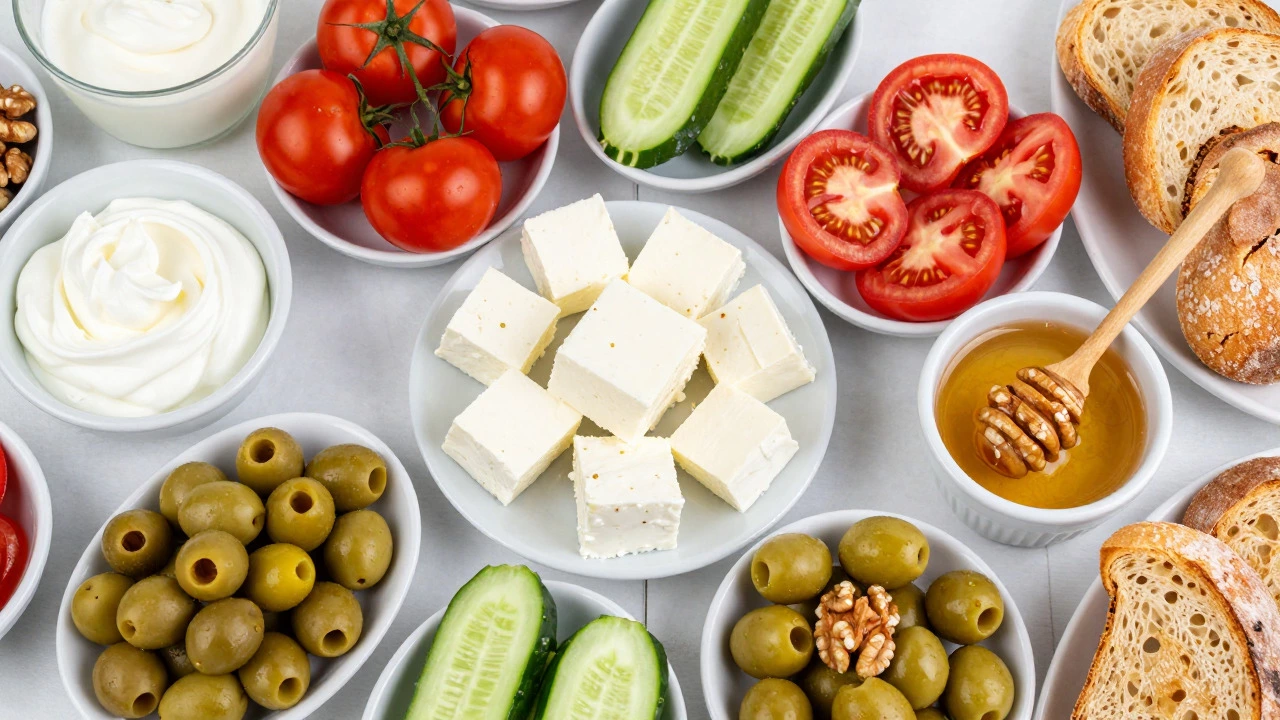
Compare that to the Mediterranean diet’s influence in Greece or Turkey. Turkish breakfasts are lavish spreads with cheeses, olives, tomatoes, cucumbers, honey, and kaymak (clotted cream). It’s colorful, fresh, and balanced. It bridges the gap between the lightness of Europe and the substance of Asia. It’s a strong competitor for the "best" title because it offers variety without the heaviness of processed meats.
Why Balance Matters More Than Calories
So, how do we decide? We need a framework. I judge a breakfast on three criteria:
- Digestibility: Does it sit well in your stomach? (India wins here with fermented foods.)
- Satiety: Will it keep you full until noon? (USA and Turkey win here.)
- Flavor Complexity: Is it interesting to eat? (India and Turkey lead the pack.)
When you weigh these factors, India emerges as a surprising champion. Why? Because it achieves all three. A plate of masala dosa with sambar and coconut chutney is filling, easy to digest due to fermentation, and has layers of flavor from tamarind, mustard seeds, curry leaves, and green chilies. It’s a complete meal in a bowl.
Quick Breakfast Ideas Inspired by Global Traditions
You don’t need to travel to enjoy these flavors. Here’s how you can adapt the best elements into your routine, especially if you’re short on time.
- The 5-Minute Poha Hack: Keep a bag of flattened rice (poha) in your pantry. Sauté onions, mustard seeds, and curry leaves in oil. Add the poha, peanuts, and lemon juice. Stir for two minutes. Done. It’s cheaper and faster than cereal, and infinitely more nutritious.
- Fermented Power: Make idli or dosa batter on Sunday. Let it ferment overnight. You now have breakfast bases for three days. Just pan-fry them in the morning. This is the ultimate quick breakfast India strategy for busy weekdays.
- Mediterranean Plate: Toast whole-grain bread. Top with hummus, sliced cucumber, tomato, and a drizzle of olive oil. Add a boiled egg if you want protein. It’s fresh, crunchy, and requires zero cooking skills.
- French Simplicity: Buy good sourdough. Spread with high-quality almond butter instead of jam. Add banana slices. You get the fiber, the healthy fats, and the natural sweetness without the sugar crash.
The Verdict: It Depends on Your Goal
If your goal is energy and gut health, Indian cuisine offers the most sophisticated toolkit. The use of spices like turmeric and cumin isn’t just for taste; they have anti-inflammatory properties. The fermentation process in dosa and idli creates probiotics that support your microbiome. In a world of processed snacks, this is a superpower.
If your goal is speed and convenience, the American model fails, but the Indian model succeeds with minimal prep. If your goal is indulgence, France and Italy provide the perfect aesthetic experience. But for overall balance-taste, health, and sustainability-India takes the crown.
| Country | Key Ingredients | Avg. Prep Time | Nutritional Focus | Best For |
|---|---|---|---|---|
| India | Rice, Lentils, Spices, Coconut | 10-30 mins | Fiber, Probiotics, Low Fat | Gut Health & Energy |
| France | Bread, Butter, Jam, Coffee | 5 mins | Carbs, Healthy Fats | Light Starters |
| USA | Eggs, Bacon, Pancakes | 20-40 mins | High Protein, High Sugar | Weekend Indulgence |
| Turkey | Cheese, Olives, Honey, Bread | 15 mins | Balanced Macros | Social Dining |
Common Mistakes When Trying International Breakfasts
People often try to replicate these meals but miss the point. Here’s what to avoid:
- Skipping the Chutney: In Indian breakfasts, the chutney isn’t optional. It provides the moisture and acidity that cuts through the starch of the dosa or idli. Without it, the meal feels dry and bland.
- Using Old Bread: For French-style breakfasts, stale bread ruins the experience. Always use fresh, crusty bread. If you can’t bake it yourself, buy it from a local bakery early in the morning.
- Overloading on Meat: In American breakfasts, limit the processed meats like bacon and sausage. They add sodium and preservatives. Opt for eggs and vegetables instead for a cleaner energy boost.
Final Thoughts: Eat What Makes You Feel Alive
The "best" breakfast is the one you actually look forward to. If that’s a bowl of oatmeal, stick with it. But if you’re willing to experiment, explore the vibrant world of Indian morning foods. They offer a unique combination of taste and health that is hard to beat. Next time you’re stuck deciding what to eat, remember: fermentation, spices, and fresh produce are your friends. Try a quick poha or a leftover dosa, and see if it changes your morning.
What is the healthiest breakfast in the world?
Many nutritionists argue that traditional Indian breakfasts like idli and dosa are among the healthiest due to their fermented nature, which aids digestion and provides probiotics. Mediterranean breakfasts with whole grains, olive oil, and fresh vegetables are also top contenders for their heart-healthy fats and fiber content.
How can I make a quick Indian breakfast in under 10 minutes?
The fastest option is Poha (flattened rice). Sauté mustard seeds, curry leaves, and onions in a pan. Add soaked poha, peanuts, and lemon juice. Stir for 2-3 minutes until heated through. Alternatively, reheat pre-made dosas or idlis and serve with store-bought chutney.
Is Indian breakfast suitable for vegetarians?
Yes, traditionally, most Indian breakfast dishes are vegetarian. Staples like dosa, idli, poha, and upma rely on rice, lentils, and vegetables. Even non-vegetarian options are rare in morning meals, making it naturally vegan-friendly if you skip ghee or milk.
Why is French breakfast so simple compared to others?
The French view breakfast as a light start to the day, not a main meal. Lunch and dinner are where the substantial eating happens. This cultural habit allows for lighter morning intake, focusing on fresh bread and coffee rather than heavy proteins or cooked dishes.
Can I replace my American breakfast with Indian options for weight loss?
Absolutely. Indian breakfasts are typically lower in calories and saturated fats compared to typical American plates with bacon and syrup. The high fiber content from lentils and vegetables keeps you fuller longer, reducing the likelihood of snacking before lunch.