Chicken Curry Flavor Finder
Not sure which curry to cook? Answer these three questions to find your ideal match.
Curry Name
Spice LevelBase Ingredient
Flavor Profile Description
Ask ten people what the tastiest curry is, and you will get ten different answers. Some swear by the creamy richness of a Korma, while others crave the fiery kick of a Vindaloo. There is no single objective answer because taste is personal, but there is a science to why certain curries hit that perfect note for most people. If you are looking to make the best chicken curry at home, understanding what makes a curry "tasty" is the first step.
Here is the quick reality check before we start cooking:
- Balance is key: The best curries balance heat, acidity, sweetness, and salt.
- Fat carries flavor: Ghee or oil helps spices stick to the meat and coat your tongue.
- Time matters: Slow-cooking breaks down collagen in chicken thighs, making the sauce thicker and richer.
- Freshness wins: Toasting whole spices right before grinding them releases far more aroma than using old powder.
Why Do We Love Curry So Much?
Curry isn't just one dish; it's a technique. At its core, curry is a spiced stew with a sauce base, originating from the Indian subcontinent. The magic happens when you mix fat, water, and ground spices. When you eat a well-made curry, your brain lights up. You get umami from the tomatoes or yogurt, heat from the chili peppers, and aromatic complexity from spices like cumin, coriander, and turmeric.
But what makes one curry better than another? It usually comes down to depth of flavor. A bland curry tastes like wet powder. A tasty curry tastes like layers. Think about the difference between microwaving a frozen meal and simmering a pot of butter chicken on a Sunday afternoon. The latter has time to develop complex chemical reactions-specifically, the Maillard reaction on the meat and the blooming of spices in hot oil. That depth is what people mean when they say a curry is "tasty."
The Contenders: Ranking Popular Chicken Curries
To figure out the tastiest option, we need to look at the heavy hitters. Each style offers a different experience. Here is how the top contenders stack up against each other.
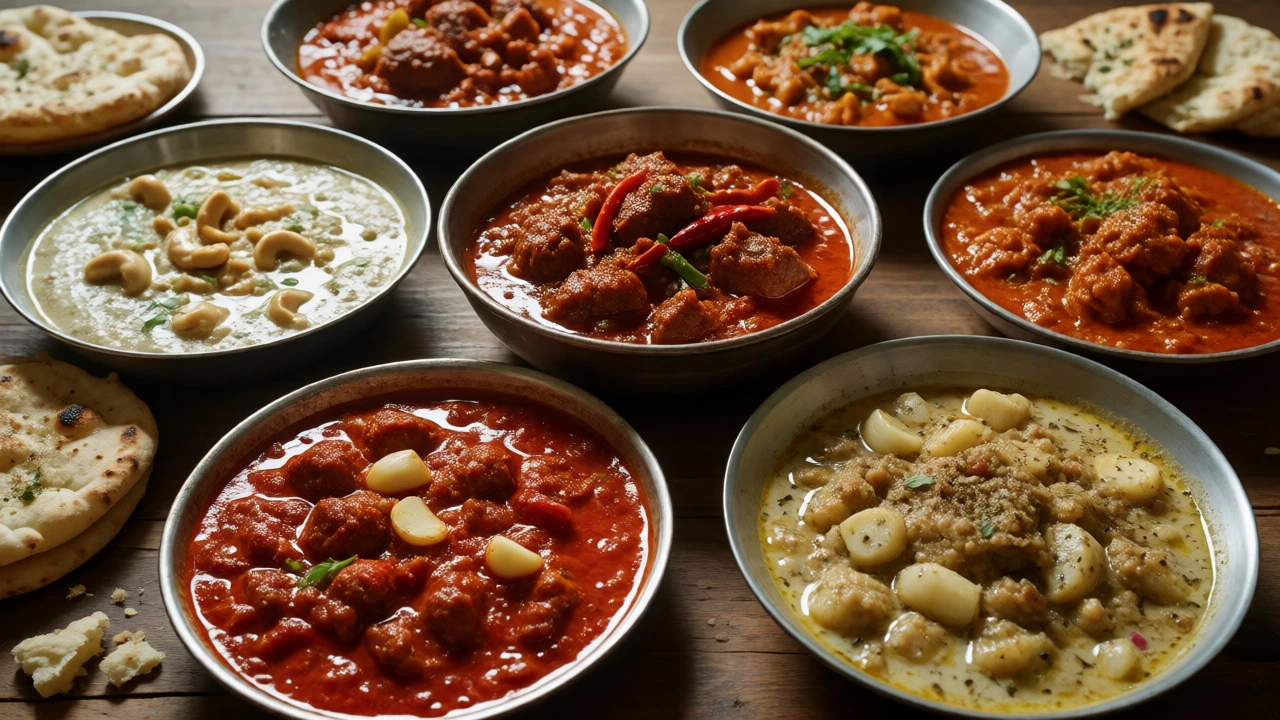
| Curry Type | Base Ingredient | Flavor Profile | Spice Level | Best For |
|---|---|---|---|---|
| Butter Chicken | Tomato, Cream, Butter | Sweet, Tangy, Rich | Mild | Beginners & Kids |
| Rogan Josh | Yogurt, Kashmiri Chili | Aromatic, Earthy, Deep Red | Medium | Spice Lovers |
| Chicken Tikka Masala | Tomato, Cream, Spices | Savory, Smoky, Comforting | Medium | Casual Dinners |
| Vindaloo | Vinegar, Garlic, Chili | Pungent, Acidic, Hot | Very High | Adventurous Eaters |
| Korma | Nut Paste, Yogurt/Cream | Mild, Nutty, Fragrant | Low | Delicate Palates |
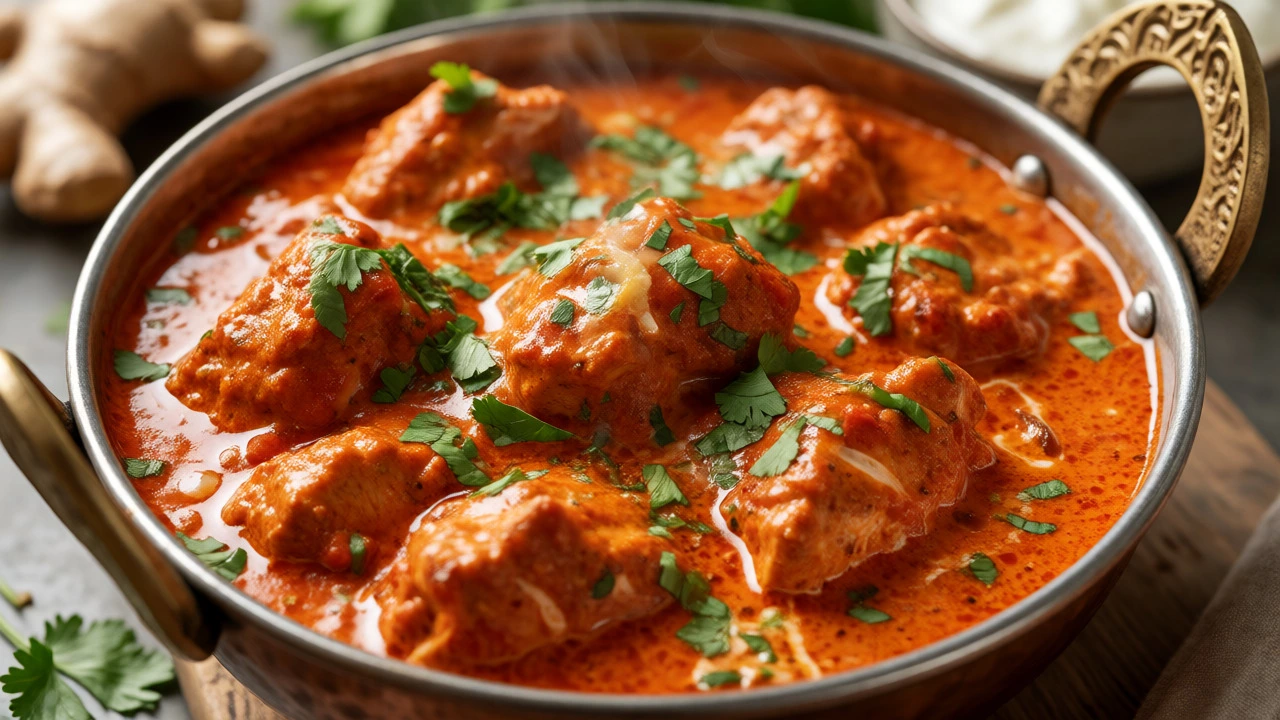
Notice the pattern? The "tastiest" curry depends entirely on what you value. If you love comfort and mild sweetness, Butter Chicken often takes the crown. It’s rich, slightly sweet, and coats every piece of chicken perfectly. But if you want something with character and bite, Rogan Josh might be your winner. Its use of dried Kashmiri chilies provides vibrant color without overwhelming heat, allowing the cardamom and cloves to shine.
The Secret to a Restaurant-Quality Chicken Curry
You don't need a commercial kitchen to make a curry that beats takeout. In fact, home cooks have an advantage: control over ingredients. Most restaurants rush the process to serve hundreds of plates. You can take your time. Here are three non-negotiable steps for a tastier result.
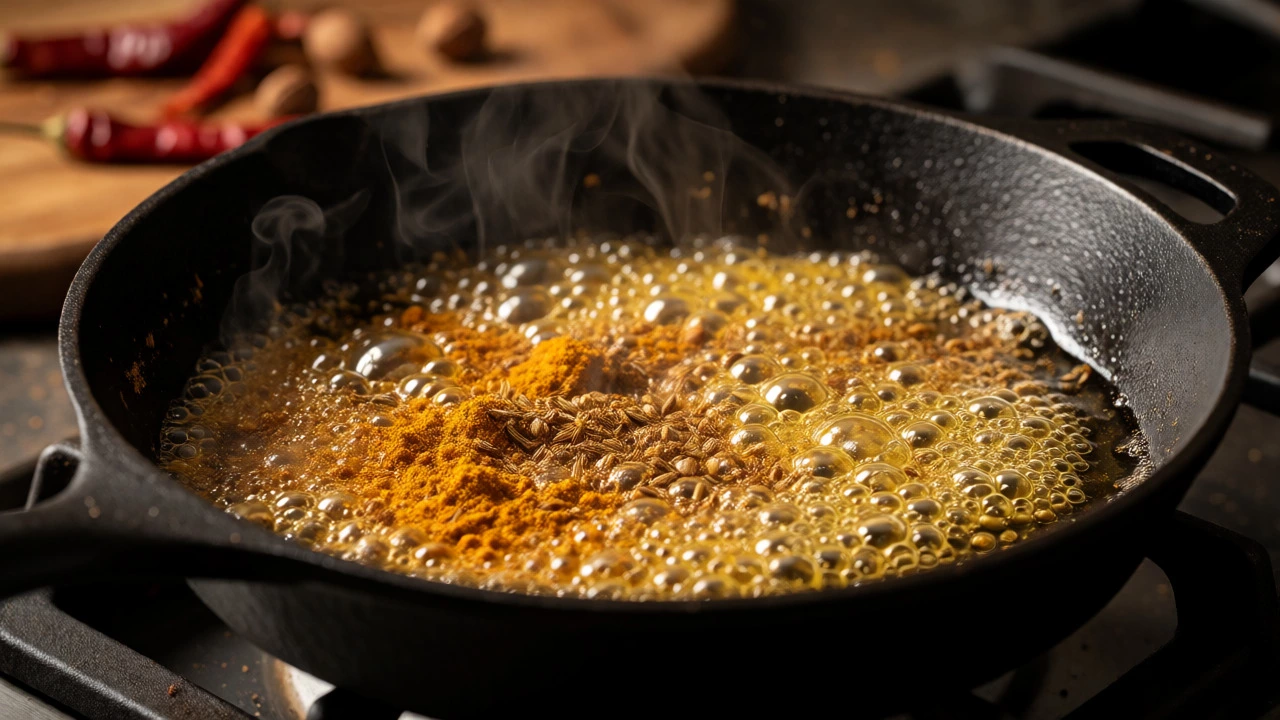
1. Bloom Your Spices
Never dump raw spice powder into liquid. Always fry your ground spices (like turmeric, coriander, and garam masala) in hot oil or ghee for 30-60 seconds until they smell fragrant. This process, called "blooming," activates the essential oils in the spices. If you skip this, your curry will taste dusty and flat. Watch closely though-burnt garlic or ginger turns bitter instantly.
2. Use Thighs, Not Breasts
This is controversial, but true: boneless chicken breast dries out quickly in a simmering sauce. Chicken thighs have more connective tissue and fat. As they cook slowly, that collagen melts into gelatin, which naturally thickens the sauce and adds a silky mouthfeel. If you must use breasts, cut them larger and add them later in the cooking process.
3. Finish with Fresh Elements
Many home cooks stop after adding the cream. Don't. Finish your curry with a squeeze of lemon juice or lime. The acid cuts through the richness of the dairy and brightens the entire dish. Then, stir in fresh chopped cilantro (coriander leaves) right before serving. The contrast between the hot, cooked spices and the cool, fresh herb creates a dynamic eating experience.
Regional Variations: Where Does the Best Taste Come From?
India is huge, and every region has a claim to the throne. Understanding these differences helps you pick the right style for your mood.
In the North, specifically Punjab and Delhi, you find the heavy hitters. Dishes like Kadai Chicken use coarse-ground spices and bell peppers for a crunchy, textured sauce. It’s bold and rustic. Down south, in Kerala, coconut milk rules. A Kerala Chicken Stew is lighter, infused with black pepper and curry leaves. It’s less about heavy cream and more about herbal freshness.
Then there is Goa. Goan cuisine, influenced by Portuguese colonization, uses vinegar heavily. This creates a tangy profile that preserves the meat and tenderizes it. If you find northern curries too heavy, a Goan-style vindaloo or xacuti offers a sharp, zesty alternative that many people actually prefer once they adjust to the sour notes.
Common Mistakes That Ruin Flavor
Even good recipes fail if you make basic errors. Here are the most common pitfalls I see when friends try to cook curry at home.
- Using low-quality yogurt: If your yogurt splits when added to the hot pan, your sauce becomes grainy. Always temper your yogurt by mixing it with a little warm curry sauce first, then stirring it back into the main pot slowly.
- Overcooking the ginger-garlic paste: Ginger and garlic burn fast. Add them after the onions are golden brown, not before. Burnt garlic ruins the whole batch.
- Ignoring salt timing: Salt draws moisture out of vegetables and meat. Season your onions early to help them caramelize properly. If you wait until the end, the sauce lacks depth.
- Skipping the rest period: Curry tastes better the next day. The flavors meld overnight. If you can, make it ahead and reheat gently. Just add a splash of water if it gets too thick.
How to Customize Heat Levels
People often confuse "spicy" with "flavorful." They aren't the same. You can have a deliciously flavorful curry with zero heat, or a painful curry with no flavor. To control heat, rely on two things: the type of chili and the seeds.
Kashmiri chili powder gives intense red color with mild heat. Cayenne pepper is hotter but less colorful. If you want fire, leave the seeds in the fresh green chilies. If you want flavor without the burn, remove the seeds and membranes. Remember, you can always add heat at the table with sliced green chilies or hot sauce, but you can’t take it away once it’s in the pot.
Pairing Your Curry Perfectly
The tastiest curry needs the right vehicle. Rice is standard, but consider the texture. Basmati rice is long-grain and fluffy, perfect for soaking up thin sauces. Sticky jasmine rice pairs well with Thai-inspired curries. For Indian curries, bread is often superior. Naan, roti, or paratha allows you to scoop up every bit of gravy. In Bristol, where I live, finding a decent tandoori naan is easy, but making simple chapatis at home takes practice yet rewards you with a fresher, softer texture that store-bought versions rarely match.
Don't forget the sides. A cooling raita (yogurt with cucumber and mint) balances spicy curries. Pickles (achar) add a fermented punch that cuts through fat. These condiments aren't optional extras; they are part of the flavor architecture.
Final Verdict: Which One Should You Make?
If you are new to cooking curry, start with Butter Chicken. It’s forgiving, universally liked, and teaches you the basics of balancing tomato and cream. Once you master that, move to Rogan Josh to learn how to handle yogurt and whole spices. If you feel brave and want to challenge your palate, try a Vindaloo. It’s an acquired taste, but when done right, it’s electric.
Ultimately, the tastiest curry is the one that makes you close your eyes and smile. Whether that’s a creamy korma or a fiery madras, trust your own tongue. Experiment with these techniques, adjust the spices to your liking, and enjoy the process. Cooking curry isn't just about following a recipe; it's about creating harmony on a plate.
Is chicken curry healthy?
It can be. Traditional restaurant curries are high in saturated fat due to heavy cream and butter. However, homemade versions using chicken thighs, Greek yogurt instead of cream, and plenty of vegetables can be quite nutritious. The spices themselves, like turmeric and ginger, offer anti-inflammatory benefits.
Can I use pre-mixed curry powder?
Yes, but it limits flavor depth. Pre-mixed powders often lose potency over time. For better results, buy whole spices and grind them yourself, or use individual ground spices so you can control the ratios. If you must use a mix, toast it in oil before adding liquids to revive the aroma.
Why does my curry taste watery?
This usually happens if the onions weren't cooked down enough or if too much liquid was added. Ensure your onion-tomato base reduces significantly before adding stock or water. Simmer uncovered to allow evaporation. Adding a spoonful of nut paste or crushed cashews can also thicken the sauce naturally.
Which chicken cut is best for curry?
Bone-in, skin-on thighs are ideal because they stay juicy and add flavor to the sauce as they cook. Boneless thighs are a convenient second choice. Avoid chicken breasts unless you add them very late in the cooking process, as they tend to become dry and stringy during long simmers.
How do I fix a curry that is too salty?
Add a peeled potato to the simmering curry for 15 minutes; it absorbs excess salt. You can also dilute the sauce with unsalted stock or water. Adding a pinch of sugar or a squeeze of lemon can help balance the perception of saltiness, though it won't remove the sodium itself.