Daily Sugar Intake Calculator
Select the items you consumed today to see how much sugar you've eaten compared to the World Health Organization's recommended limit (25g/6 tsp).
What did you eat or drink?
Your Daily Sugar Status
Healthy Swap Suggestion:
No unhealthy items selected yet. Choose a sugary item above to see a swap!
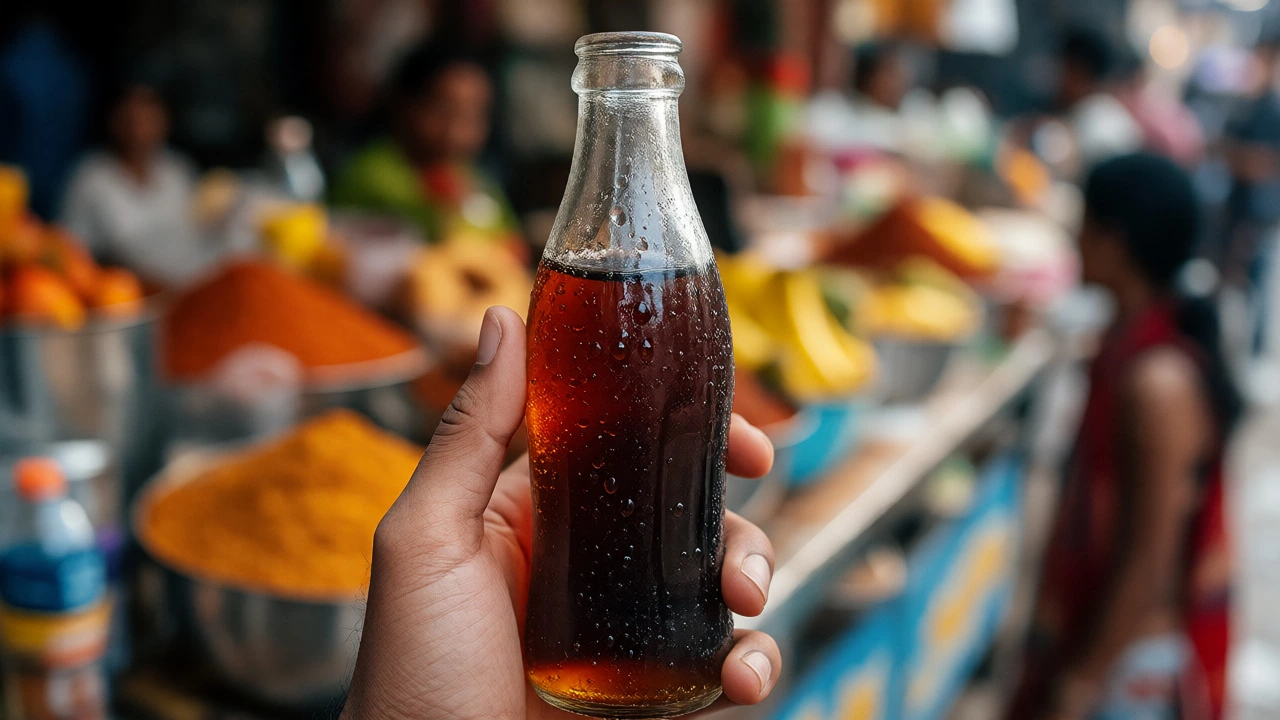
You walk into a shop, grab a brightly colored bottle of soda or a packet of chips, and think you’re making a harmless choice. But what if that single item is quietly doing more damage to your health than any other food on the planet? When we ask, "what is the number 1 unhealthy food in the world?", the answer isn’t always the greasiest burger or the deepest-fried samosa. It’s often something far more deceptive: Sugary Drinks, specifically sugar-sweetened beverages like sodas and packaged fruit juices that deliver massive amounts of empty calories without satiety.
This might surprise you. We tend to associate "unhealthy" with fat, salt, or grease. But medical consensus points to liquid sugar as the primary driver of modern metabolic diseases. Why? Because your brain doesn’t register liquid calories the same way it does solid food. You can drink 300 calories of Coke in two minutes and still feel hungry an hour later. This disconnect leads to overconsumption, weight gain, type 2 diabetes, and heart disease.
The Science Behind Liquid Sugar
Let’s look at why this specific category tops the list. The World Health Organization (WHO) recommends limiting free sugars to less than 10% of total energy intake, ideally below 5%. For an average adult, that’s about 25 grams (6 teaspoons) per day. A single 330ml can of regular cola contains roughly 35 grams of sugar. One can exceeds your daily limit before you’ve even eaten breakfast.
When you consume these Refined Sugars, they spike your blood glucose rapidly. Your pancreas releases insulin to manage this surge. Over time, constant spikes lead to insulin resistance, a precursor to diabetes. Unlike fiber-rich fruits, where the sugar is bound to plant matter and absorbed slowly, liquid sugar hits your liver hard and fast, promoting fat storage around vital organs.
Is it really worse than fried food? Consider this: while deep-fried items contain trans fats and oxidized oils, which are harmful, the sheer volume of consumption makes sugary drinks more dangerous globally. Billions of people drink them daily. Fewer eat deep-fried doughnuts every single day. The frequency of exposure makes liquid sugar the silent killer.
Indian Context: Where Do Our Favorites Rank?
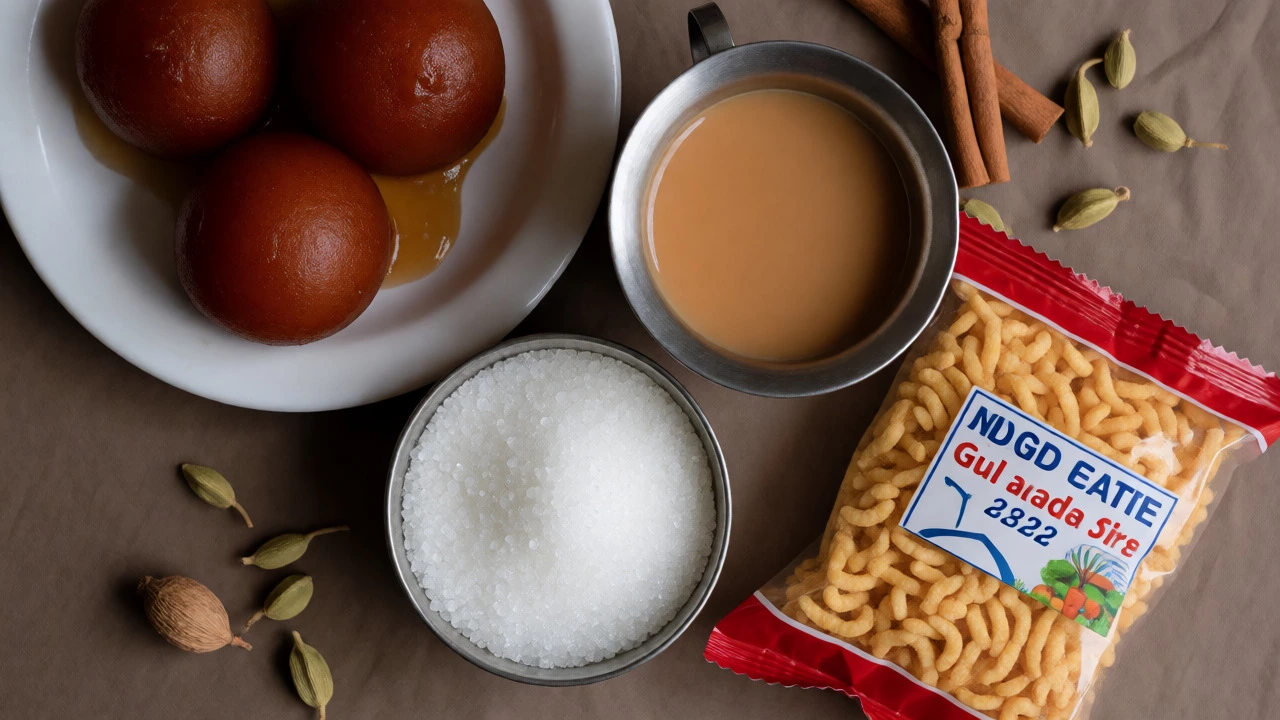
If you live in India or love Indian cuisine, you might worry about your favorite treats. Are Gulab Jamun or deep-fried milk solids soaked in sugar syrup the worst offenders? While Gulab Jamun is high in calories and sugar, it is usually eaten occasionally. The real danger lies in the daily habits.
Think about the chai break. If you add three spoons of sugar to your tea, twice a day, that’s six teaspoons right there. Add a biscuit, and you’re well over the limit. Then there’s the packaged fruit juice. Many "100% natural" juices are stripped of fiber and packed with concentrated fructose. Drinking a glass of orange juice gives you the sugar of four oranges but none of the filling power of eating them whole.
Street food also plays a role. Pani Puri, when made with hygienic water and moderate oil, is relatively okay. However, the accompanying sweet tamarind chutney is often loaded with refined sugar and preservatives. It’s not just the main dish; it’s the condiments and drinks that tip the scale toward unhealthiness.
Comparison: The Unhealthy vs. The Healthy Alternatives
To make better choices, you need to see the difference clearly. Here is how common items stack up against healthier swaps.
| Item | Main Issue | Calorie/Sugar Impact | Healthier Swap |
|---|---|---|---|
| Soda | Empty Calories | ~39g sugar per can | Sparkling Water with Lemon |
| Packaged Juice | High Fructose, No Fiber | ~24g sugar per cup | Whole Fruit or Coconut Water |
| White Bread | High Glycemic Index | Rapid Blood Sugar Spike | Multigrain or Rye Bread |
| Potato Chips | Trans Fats & Salt | High Calorie Density | Roasted Makhana or Chakli |
Why Processed Snacks Are a Trap
Beyond drinks, processed snacks deserve scrutiny. Take potato chips. They are engineered to be hyper-palatable-perfectly salty, crunchy, and fatty. This combination overrides your body’s "stop" signals. You don’t eat one chip; you eat the whole bag because your brain is chasing the dopamine hit from the salt-fat combo.
In the Indian context, Namkeen mixes are popular. While some are baked, many are deep-fried in reused oil. Reused oil creates acrylamide, a potential carcinogen. Plus, the sodium levels in store-bought namkeen are often double the recommended daily limit in just one small serving.
Another culprit is the humble white rice. In large quantities, especially paired with heavy curries, it contributes to high glycemic load. It’s not "unhealthy" in isolation, but in a sedentary lifestyle, excess white rice converts quickly to fat.
Switching to Healthy Indian Snacks
You don’t have to give up flavor. Traditional Indian snacking has plenty of nutritious options that satisfy cravings without the metabolic crash. The key is shifting from refined ingredients to whole foods.
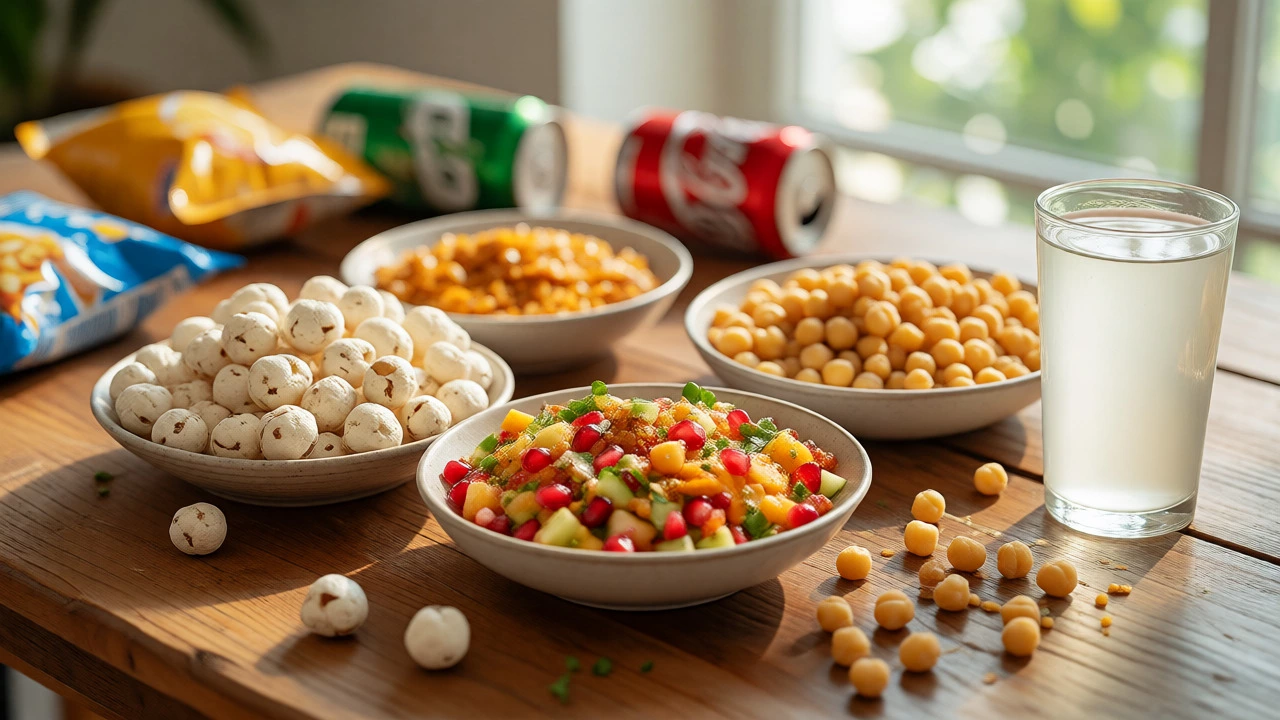
- Makhana (Fox Nuts): Roasted makhana is light, crunchy, and low in calories. Season it with turmeric and black pepper for anti-inflammatory benefits.
- Chana (Chickpeas): Boiled or roasted chickpeas provide protein and fiber. They keep you full longer than biscuits.
- Fruit Chaat: Instead of buying packaged fruit juice, make a chaat with seasonal fruits like papaya, pomegranate, and guava. Sprinkle chat masala for flavor without the sugar.
- Dahi (Yogurt): Plain yogurt with a sprinkle of flaxseeds offers probiotics and calcium. Avoid flavored yogurts, which are essentially desserts in disguise.
These swaps aren’t just about cutting calories; they’re about nutrient density. You get vitamins, minerals, and fiber instead of empty energy. Your energy levels stabilize, and you avoid the mid-afternoon slump that comes after a sugary snack.
How to Spot Hidden Sugars
Manufacturers are clever. They hide sugar under different names. When reading labels, look for these terms:
- High Fructose Corn Syrup
- Maltodextrin
- Dextrose
- Agave Nectar
- Fruit Concentrate
If any of these appear in the top three ingredients, put the product back. Also, check the serving size. Sometimes the label says "5g sugar," but the serving size is tiny. Multiply by how much you actually eat to get the real picture.
Hydration is another factor. Often, we mistake thirst for hunger. Before reaching for a snack, drink a glass of water. Wait ten minutes. If you’re still hungry, choose a whole-food option. If not, you were just thirsty.
Building a Sustainable Habit
Changing habits is hard. Don’t try to eliminate all unhealthy foods overnight. Start with your biggest source of liquid sugar. If you drink three teas with sugar, cut it down to one. Replace the other two with plain tea or green tea. Once that feels normal, tackle the next habit.
Keep healthy snacks visible. Put a bowl of nuts or fruit on your desk. Hide the cookie jar in a high cupboard. Out of sight, out of mind works wonders. And remember, consistency beats perfection. One bad meal won’t ruin your health, just as one salad won’t fix it. It’s the pattern over weeks and months that counts.
By understanding that liquid sugar is the top enemy, you can prioritize your efforts. Focus on drinking water, unsweetened tea, or coffee. Choose whole fruits over juices. Opt for homemade snacks over packaged ones. These small changes add up to significant health improvements over time.
Is diet soda healthier than regular soda?
While diet soda has no calories, studies suggest artificial sweeteners may still trigger insulin responses or increase cravings for sweet foods. It is generally considered better than regular soda due to the lack of sugar, but water remains the best choice.
Are fresh fruit juices healthy?
Fresh juice lacks the fiber found in whole fruits. Without fiber, the sugar absorbs quickly, causing blood sugar spikes. It is better to eat the whole fruit or blend it into a smoothie where the fiber remains intact.
Why is sugar considered addictive?
Sugar activates the brain's reward system, releasing dopamine similar to how drugs do. This can lead to tolerance, meaning you need more sugar to get the same pleasurable feeling, creating a cycle of craving and consumption.
Can I eat sweets if I exercise regularly?
Exercise helps burn off excess glucose, but it doesn't negate the inflammatory effects of high sugar intake. Moderation is key. Enjoy sweets occasionally rather than daily, regardless of your activity level.
What is the healthiest Indian street food?
Options like Dhokla (steamed), Idli (steamed), or boiled corn on the cob are generally healthier than deep-fried items. Look for steamed or grilled preparations and avoid heavy cream-based sauces or excessive chutneys.