Your Perfect Indian Brunch Matcher
Discover what to eat. Select your preferences below to find the classic dish that fits your Sunday morning mood.
Dish Name
Region TimeDescription goes here.
Sunday mornings often bring a specific kind of magic to households across India. You might expect eggs and toast, but the reality involves steam rising from idlis and the smell of frying ghee parathas. If you wonder what people actually sit down to eat when they sleep in late and combine breakfast with lunch, the answer varies wildly depending on where you stand on the map.
The concept of Indian brunch isn't just about a lazy meal; it's a celebration of regional flavors that have evolved over centuries. While modern cafes in cities serve avocado toast, traditional homes still stick to tried-and-true recipes passed down through generations. Let’s explore the real plates that fill tables from Mumbai to Delhi.
South Indian Heavyweights: Fermented Perfection
In states like Tamil Nadu, Kerala, and Karnataka, morning routines center around fermented rice and lentil batters. These dishes are light on the stomach but heavy on flavor, making them perfect for leisurely weekend meals. The star here is undoubtedly the dosa.
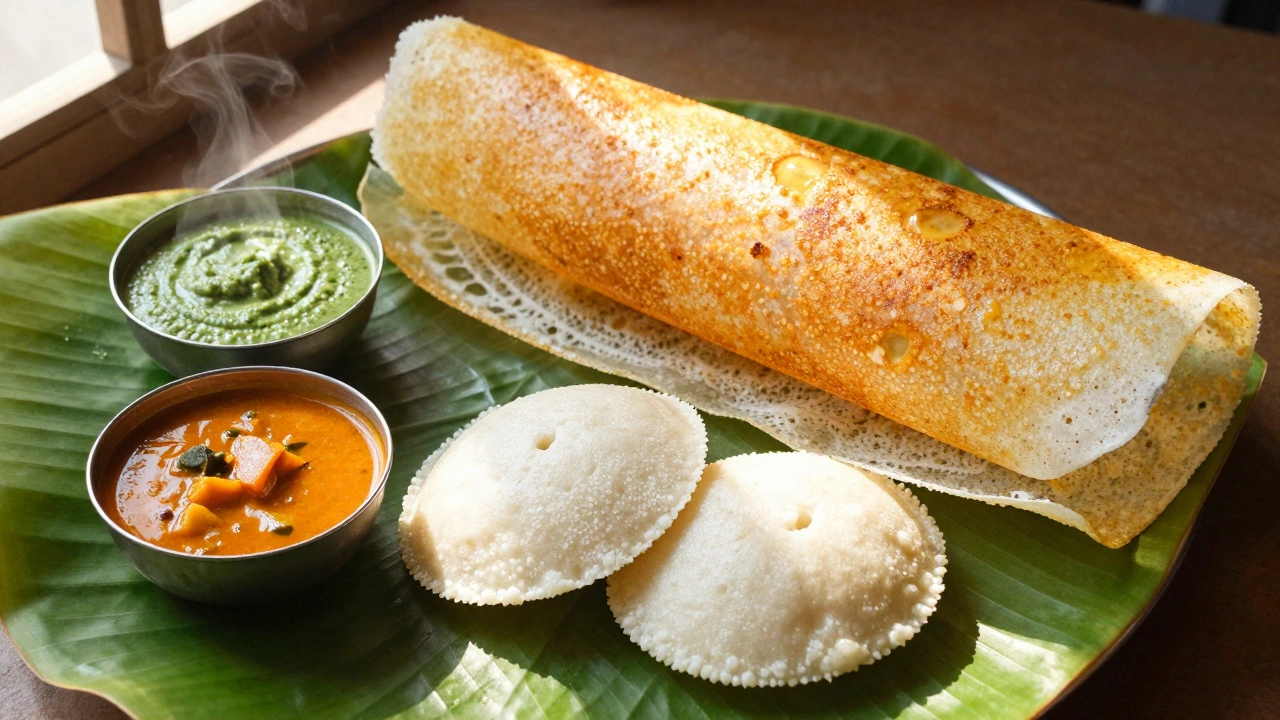
A crispy crepe made from fermented black gram and rice batter, typically served with coconut chutney and sambar.Dosa comes in many shapes. You have the thin, paper-like Mysore masala dosa topped with spicy potato filling, or the thick, spongy Seto Dosa from Pune. It is a staple that defines the Southern breakfast experience.
Then there is the idli, which pairs perfectly with the vada. Imagine soft, porous white steamed cakes cut in half and dipped into fiery red sambar. The vada adds crunch-a doughnut-shaped fritter made from soaked black lentils ground into a paste and deep-fried until golden.
- Idli: Steamed rice cakes, gluten-free, easy to digest.
- Vada: Deep-fried lentil doughnut, crunchy exterior, soft interior.
- Sambar: Lentil-based vegetable stew seasoned with tamarind and spices.
The Northern Plate: Wheat and Ghee Dominance
Crossing into the north, specifically Punjab, Haryana, and Uttar Pradesh, the grain changes from rice to wheat. Here, the breakfast table relies on flatbreads cooked in hot fat. Texture is key-crispy on the outside, soft and pliable on the inside.
Paratha is a layered flatbread stuffed with spiced potatoes, cauliflower, or paneer cheese. When cooked correctly, the oil seeps into the layers creating flaky sheets that break apart with every bite.
A popular companion to this bread is achar (pickle) and dahi (yogurt). Sometimes you find kachori instead. These are deep-fried pastries stuffed with spiced boiled chickpeas or dry vegetables. They require tea to wash down the grease. It is a comfort food situation designed to last through the morning slump.
Gujarat and Maharashtra: Sweet and Spicy Balance
Western India treats food differently. Gujarati cuisine loves sweetened savory flavors, while Maharashtrian food leans towards the tangy and spicy side.
Poha represents the easiest way to start the day in Gujarat. Thin rice flakes are sautéed with turmeric, mustard seeds, peanuts, and a squeeze of lemon juice. It tastes crunchy yet mild. You can eat this in ten minutes, which makes it great for rushing out the door.
Misal Pav hails from Nagpur and Pune. It features sprouted moth beans cooked in a spicy garlic gravy called misal. Served with buttered white bread slices called pav, it is hearty enough to replace dinner too.
In coastal Maharashtra, Malabar parotta meets banana leaf curry. This brings us back to Kerala influence spreading west. The parotta is hand-pulled dough layered like onion skin, fried until crisp, and eaten with chicken or fish curry.
Street Food Brunch Culture
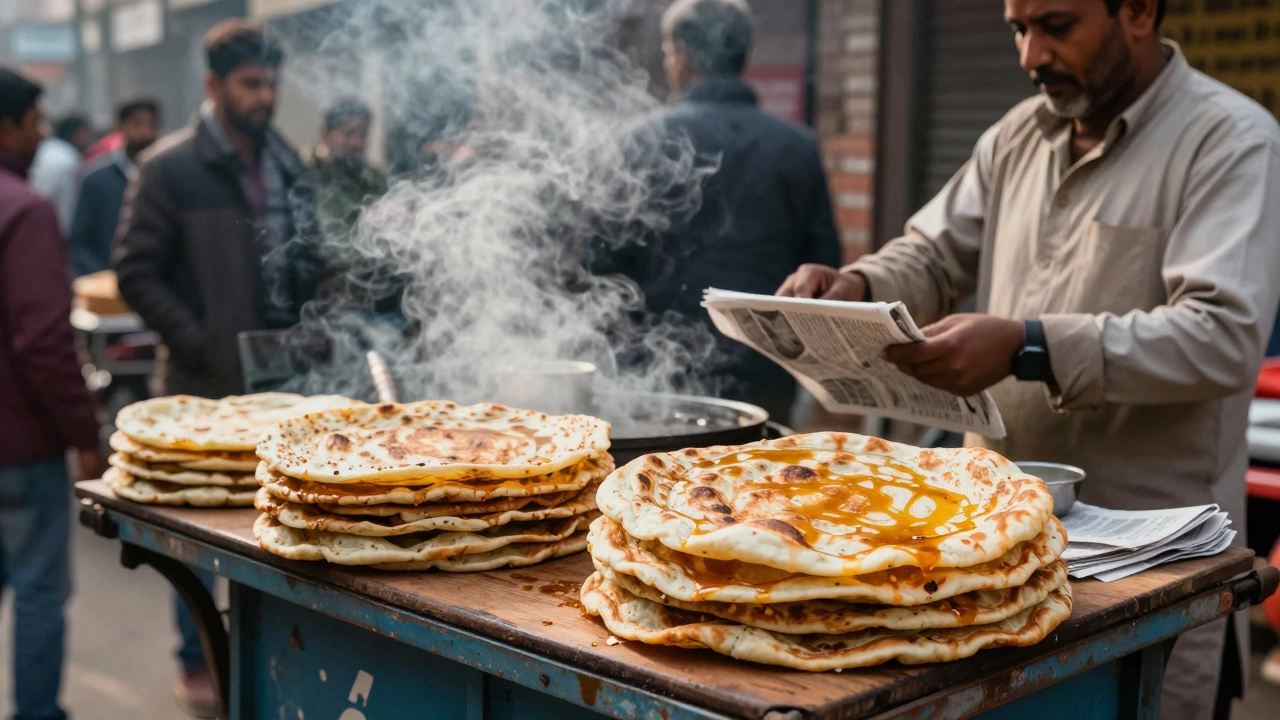
Not every brunch happens indoors. In cities like Delhi and Kolkata, street vendors set up stalls early morning. People buy food on the go. This aspect of the culture is vital to understanding "what Indians eat."
Kathi rolls from Bengal wrap spiced chicken or egg in a large paratha roll with onions and chutneys. Kolkata also offers poori bhaja-fried dough balls served with mashed potato and papadum chips. In Delhi, aloo paranthe sold from roadside carts cover entire city blocks every winter morning.
| Dish Name | Primary Region | Main Grain | Typical Side |
|---|---|---|---|
| Dosa | South India | Rice & Black Gram | Coconut Chutney |
| Paratha | North India | Wheat Flour | Pickle/Yogurt |
| Poha | West India | Rice Flakes | Lemon/Peanuts |
| Kathi Roll | East India | Paratha Bread | Onions/Chili Sauce |
Beverage Partners: The Essential Liquid Fuel
No discussion of Indian food is complete without mentioning drinks. Water alone rarely suffices for heavy brunch fare. Two beverages dominate the landscape entirely.
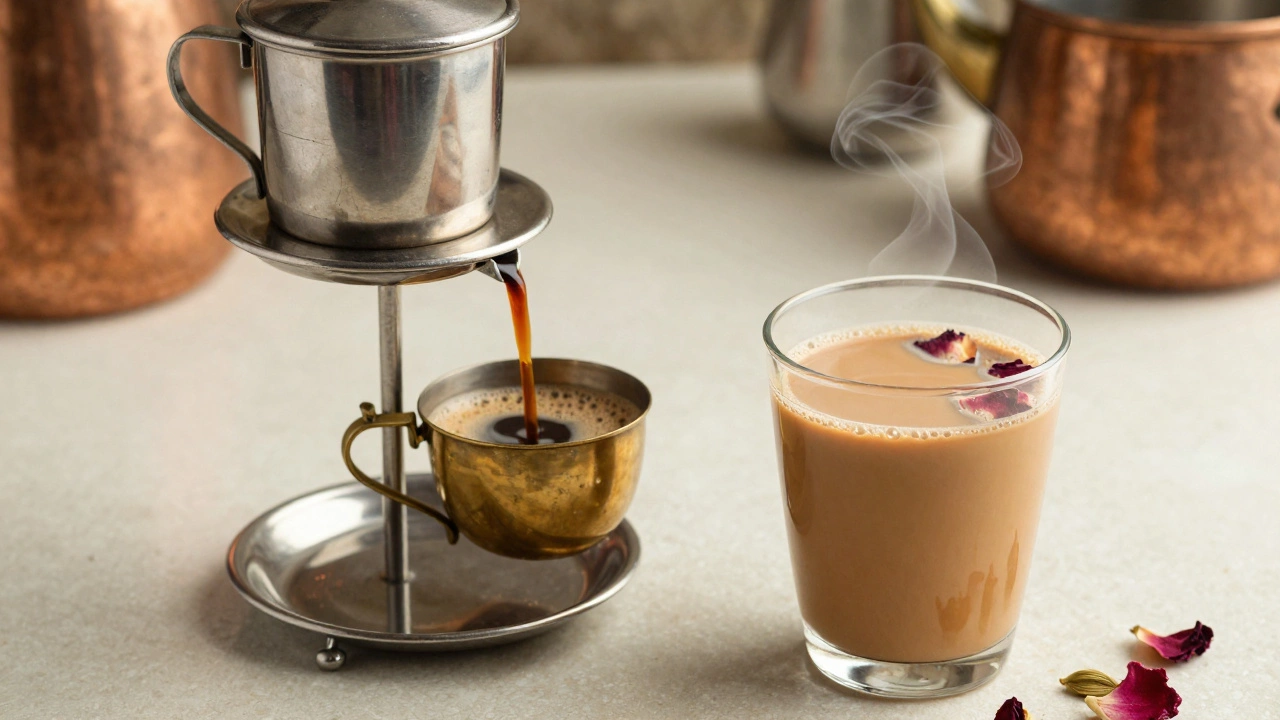
Masala chai is brewed black tea mixed with boiling milk, sugar, and cardamom, ginger, or cinnamon powders. It cuts through the richness of fried parathas. In Chennai and Bangalore, filter coffee takes precedence. This is roasted chicory blended with coffee powder, strained through a metal vessel, resulting in a frothy, potent cup.
During festivals or warmer months, Thandai becomes common. It is a milky drink chilled with rose water and spices. For vegetarians who avoid dairy, sugarcane juice or tender coconut water works well to cleanse the palate between bites of spicy food.
Quick Traditional Options for Busy Mornings
Modern life demands speed, even in India. Traditional cooks have adapted recipes for efficiency. Pancake-style uttapams cook faster than dosas because the batter stays thicker.
Pav Bhaji offers a shortcut too. You can buy frozen pre-cooked vegetable mash mix. Just heat it with clarified butter and serve with buttered bread slices. Another option is Cheese Toasties prepared with sliced bread and hung curd or grated cottage cheese, grilled with butter till golden.
If you are looking for something strictly healthy, puffed rice bowls topped with sev and cucumber work nicely. You get protein from yogurt drizzled on top without the oil load of fried snacks. These adaptations show how tradition evolves with lifestyle constraints.
Fusion Trends in Urban Centres
As cities grow, so does dining variety. In places like London or Mumbai's high-end zones, chefs blend British staples with Indian spices. Think Eggs Benedict with a spicy patty melt inspired chutney.
Tiffin shops historically served boxed meals in stacked metal carriers. Today, delivery apps fulfill that function instantly. This shift means families can enjoy regional specialties without traveling. A family in Bristol could order authentic Kerala Sadhya components via online ordering platforms, bridging the gap between geography and taste.
These trends reflect a broader movement toward accessibility. Home cooks experiment more readily now. Instant yeast mixes allow quick dhokla preparation instead of waiting days for fermentation. Technology aids preservation of tradition rather than erasing it.
Frequently Asked Questions
What is the most popular Indian breakfast dish?
While preferences vary regionally, Idli, Dosa, and Paratha are arguably the most widespread choices across different parts of India for daily consumption.
Is Indian brunch usually vegetarian?
Many traditional dishes are vegetarian due to cultural religious practices, though non-vegetarian options like Chicken Biryani or Mutton Kebabs are widely consumed in urban areas.
Can I make Poha quickly for weekday mornings?
Yes, Poha is one of the quickest Indian breakfasts available. You simply rinse flattened rice flakes and saute them with onions, peas, and spices for five minutes.
What beverage pairs best with oily parathas?
Masala Chai is the classic pairing. The tannins in tea help balance the heaviness of ghee and oil found in North Indian breakfast items.
Are Indian brunch foods generally gluten-free?
South Indian dishes like Idli and Dosa use rice and lentils, making them naturally gluten-free. However, North Indian breads like Roti and Naan rely on wheat flour.