Curry Flavor Profile Designer
Build Your Flavor Base
Select the ingredients and techniques you're using to see how they affect your final dish.
1. Select Spices & Techniques
2. Flavor Analysis
Select spices and techniques to see how they transform your curry!
To get that deep, complex flavor, you need to understand the authentic chicken curry is a traditional South Asian dish characterized by a rich, spiced gravy known as masala, typically slow-cooked to tenderize the meat and meld the aromatics. It is a cornerstone of Indian cuisine, varying wildly from the creamy textures of the north to the coconut-heavy bases of the south. The real magic happens in the prep and the patience.
The Foundation: Whole Spices and the Tempering Process
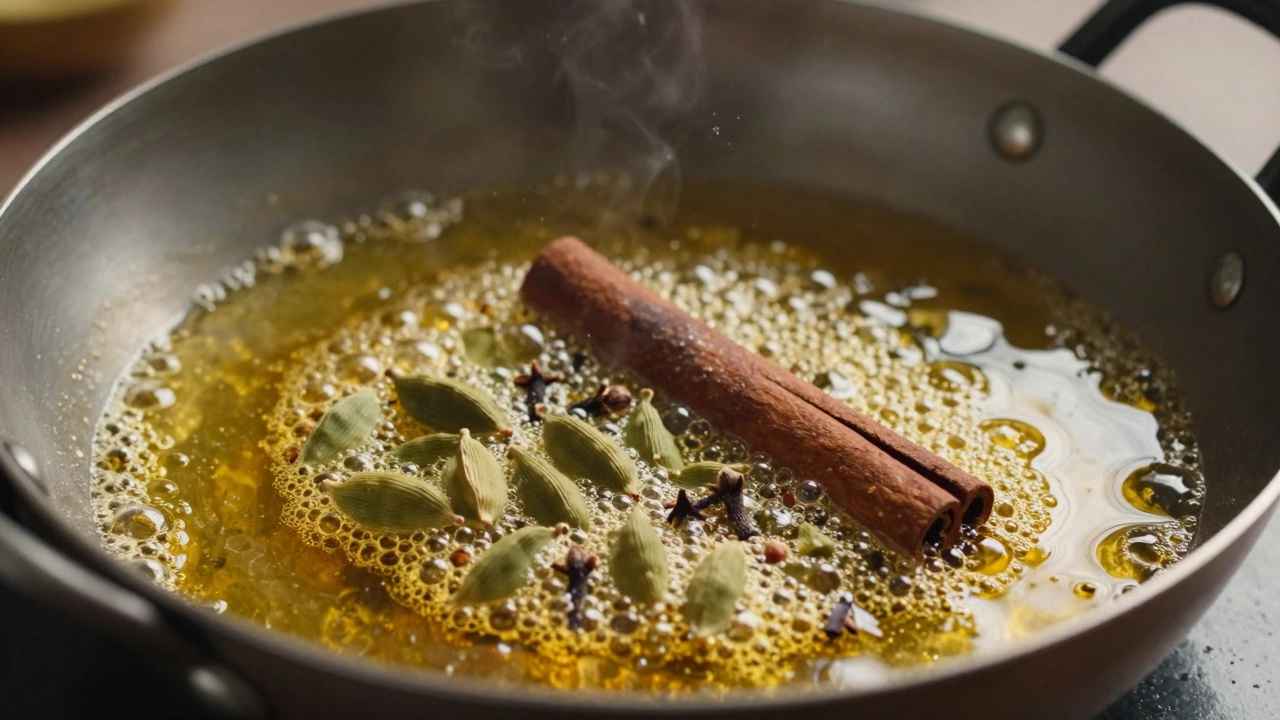
Ever notice how some curries have a fragrance that hits you before you even see the plate? That comes from tempering. In Indian cooking, this is called Tadka is the technique of heating oil or ghee and adding whole spices to release their essential oils before adding the main ingredients . If you skip this, you're missing the base layer of your flavor profile.
Start with Ghee is clarified butter used in Indian cooking for its high smoke point and rich, nutty flavor . Because ghee can handle high heat without burning, it's the perfect medium for whole spices. Drop in a few green cardamom pods, a cinnamon stick, and a couple of cloves. You'll know it's working when the spices start to sizzle and the air smells sweet and woody. This isn't just for show; you're literally unlocking the flavors that will permeate the chicken for the next hour.
The Holy Trinity of Aromatics
Once your whole spices are dancing in the ghee, it's time for the aromatics. For a truly authentic base, you need a precise balance of onions, ginger, and garlic. The biggest mistake beginners make is rushing the onions. You can't just sauté them until they're translucent; you need to brown them.
Finely diced onions should be cooked until they reach a deep golden brown. This process, known as caramelization, provides the natural sweetness and thickness that replaces the need for artificial thickeners. After the onions, add Ginger-Garlic Paste is a concentrated blend of fresh ginger root and garlic cloves, used as a primary flavor enhancer in most Indian curries . Cook this for just a minute-long enough to remove the raw smell, but not so long that the garlic burns and turns bitter.
The Secret of the Masala Blend
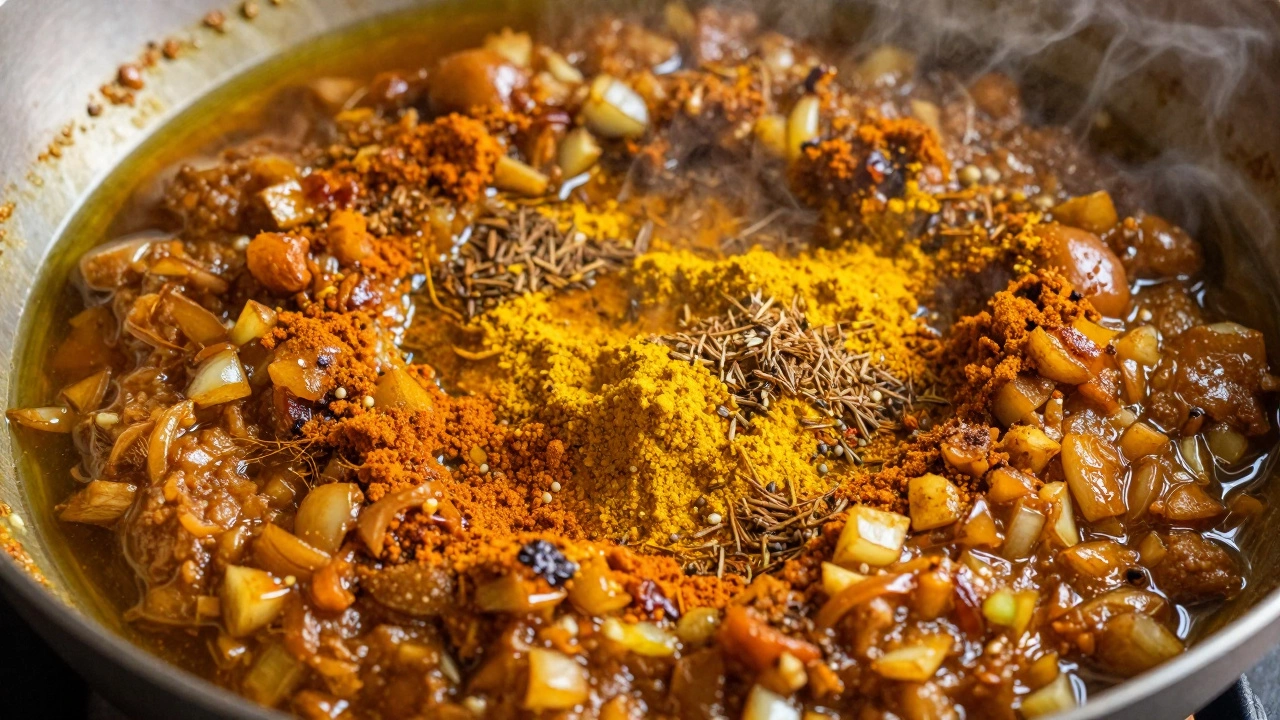
Now we get to the heart of the dish: the powdered spices. While store-bought curry powder is convenient, it's often stale and generic. To elevate your game, you need to use individual components. The core of a balanced curry consists of Turmeric is a bright yellow spice used for its earthy flavor and anti-inflammatory properties , Cumin is a seed-based spice providing a warm, nutty base note , and Coriander powder is a citrusy, floral spice that adds body and thickness to the gravy .
The real professional tip? Bloom your spices. Instead of adding water immediately, let the powdered spices fry in the oil and onion mixture for 30 to 60 seconds. This removes the "raw" taste of the powder and integrates the flavors. If the pan looks too dry, add a splash of water to prevent burning. This creates a concentrated paste that will coat every piece of meat.
| Spice | Primary Flavor Profile | Role in Curry | Best Form |
|---|---|---|---|
| Turmeric | Earthy, Bitter | Color & Health | Powder |
| Cumin | Nutty, Warm | Base Depth | Whole Seeds |
| Cardamom | Sweet, Floral | Top Note Aroma | Whole Pods |
| Kashmiri Chili | Mild Heat, Smoky | Vibrant Red Color | Powder |
| Garam Masala | Pungent, Complex | Final Finishing | Powdered Blend |
Mastering the Meat: Searing and Simmering
When it comes to the chicken, the goal is a juicy interior and a flavorful exterior. Many people just boil the chicken in the sauce, but for the best results, sear the meat first. High heat creates a Maillard reaction, which adds an extra layer of savory depth to the overall dish.
Once the chicken is browned, integrate it into your masala. Now comes the part where patience pays off: the slow simmer. Don't rush this by cranking up the heat. Let the chicken cook in the juices of the onions and tomatoes. This is where the Braising is a combination cooking method that uses both wet and dry heats, typically starting with a sear and finishing in a liquid technique happens. The meat absorbs the spices, and the sauce reduces into a thick, clingy gravy that doesn't separate.
The Final Touch: Balancing the Palette
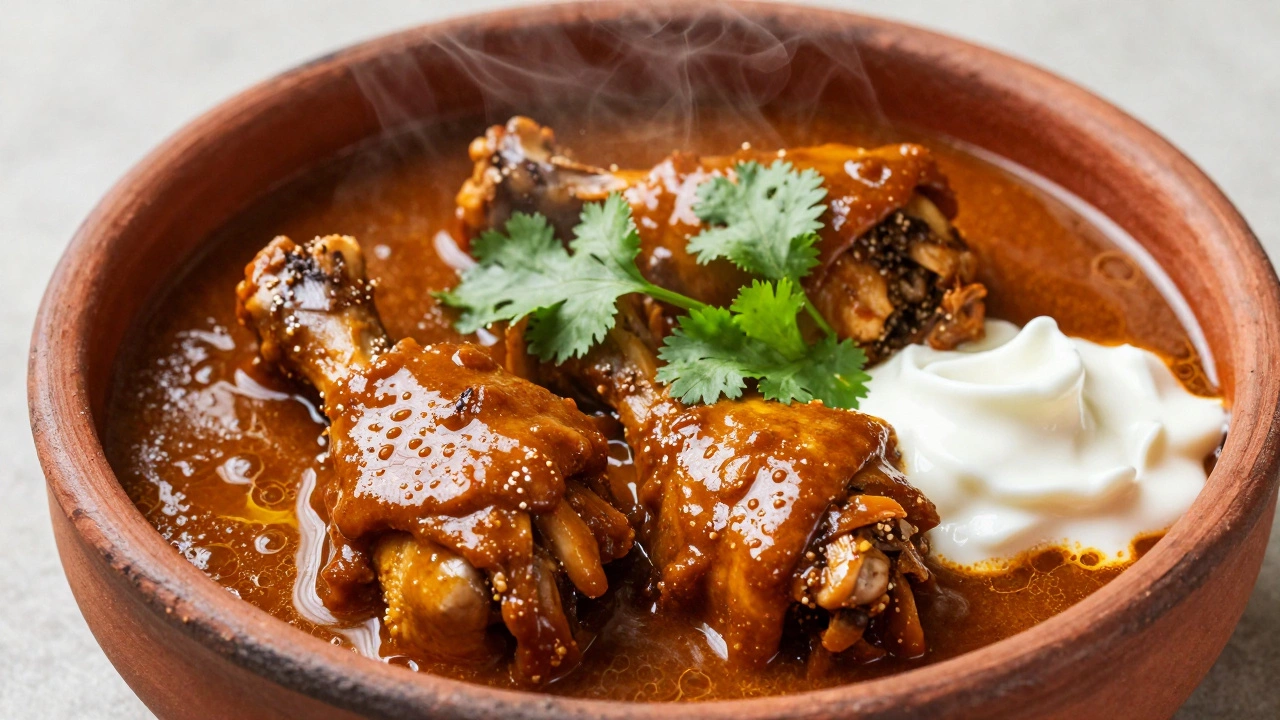
A curry that tastes "okay" but not "amazing" is usually missing balance. Most professional chefs use the rule of four: salt, acid, heat, and creaminess. If your curry feels too heavy, a squeeze of fresh lime juice or a dollop of Yogurt is a fermented dairy product often stirred into curries at the end to add tanginess and creaminess can cut through the fat and brighten the entire dish.
The final secret is the Garam Masala is a blend of ground spices-usually including cinnamon, cloves, and peppercorns-added at the very end of cooking to preserve its volatile oils . If you add this at the beginning, the heat destroys the delicate aromas. Sprinkle it in just before you turn off the stove, cover the pan for two minutes, and then garnish with fresh cilantro leaves. This ensures the fragrance is fresh and punchy when the plate hits the table.
Common Pitfalls and How to Avoid Them
- Burning the Garlic: Garlic burns much faster than onions. Always add it after the onions have mostly browned.
- Using Water Instead of Broth: For a richer taste, use a light chicken stock instead of plain water to thin your gravy.
- Overcooking the Chicken: If you're using breast meat, keep an eye on the clock. Thighs are better for curry because they stay moist during the slow-simmering process.
- Ignoring the Oil: If you see a layer of oil separating on top of the curry, don't panic. In authentic cooking, this is called "oil separation" and it's a sign that the masala is perfectly cooked.
Why does my home curry taste different from the restaurant?
Restaurants often use larger quantities of fat (ghee or oil) and cook the onions for a significantly longer time to create a deeper base. They also use high-pressure cookers or industrial tandoors to tenderize meat quickly while locking in flavors, and they frequently finish dishes with a touch of butter or cream for that signature mouthfeel.
Can I use dried herbs instead of fresh cilantro?
While you can, it's not recommended for the finish. Fresh cilantro provides a bright, citrusy contrast to the heavy, warm spices. Dried herbs lack the volatile oils and fresh punch needed to balance the richness of a chicken curry.
Is it possible to make authentic curry without ghee?
Yes, you can use a neutral oil like sunflower or canola. However, you will lose the nutty, creamy undertone that ghee provides. If you are avoiding dairy, coconut oil is a great alternative, especially for South Indian style curries.
What is the best chicken cut for this recipe?
Boneless, skinless chicken thighs are the gold standard. They have a higher fat content than breasts, meaning they won't dry out during the long simmering process and they absorb the masala more effectively.
How do I fix a curry that is too salty?
The easiest fix is to add a potato chunk to the simmering sauce; it will absorb some of the salt. Alternatively, stirring in a tablespoon of plain yogurt or a squeeze of lemon juice can help mask the excess saltiness through acidity and creaminess.
Next Steps for Your Culinary Journey
Once you've mastered the basic chicken curry, try experimenting with different regional styles. You might want to try a Goan curry by adding tamarind and coconut milk for a sour-sweet twist, or a Kashmiri style by using more yogurt and mild Kashmiri chilies for a vibrant red color without the intense heat.
If you find yourself struggling with the texture of your gravy, focus on your onion-to-tomato ratio. More onions lead to a thicker, sweeter sauce, while more tomatoes create a tangier, thinner consistency. Practice these small adjustments and you'll soon be creating restaurant-quality meals in your own kitchen.