Yogurt Raita: The Perfect Indian Side Dish for Every Meal
When you think of Indian food, you might picture bold spices, rich curries, or sizzling tandoori meats—but one of the quiet heroes of every meal is yogurt raita, a simple, cooling blend of yogurt, vegetables, and spices used to balance heat and enhance digestion. Also known as dahi raita, it’s not just a side—it’s the reset button for your palate. You’ll find it served with biryani, kebabs, dal, or even eaten alone as a light snack. It’s the reason your mouth stops burning after that first bite of spicy chicken curry.
Yogurt raita works because it’s built on a basic truth: dairy cools. The lactic acid in yogurt soothes the capsaicin from chilies, while the fat content wraps around spicy oils like a gentle blanket. It’s not magic—it’s science. And it’s been used for centuries across India, from street stalls in Delhi to home kitchens in Kerala. The base is always plain, thick yogurt, but what makes each version unique are the additions: grated cucumber for crunch, roasted cumin for earthiness, chopped mint for freshness, or even a pinch of sugar to round it out. Some add boiled potatoes, others toss in pomegranate seeds. It’s flexible, forgiving, and always refreshing.
What’s interesting is how raita connects to other staples you’ve probably seen on this site. It’s the perfect partner to dal, a lentil dish that can feel heavy if not balanced. Lentils pair beautifully with raita because the yogurt cuts through their earthiness and aids digestion—something you’ll also see in posts about why eating dal at night isn’t ideal. Raita also plays a role in managing the texture of biryani, a layered rice dish that can easily become too oily or spicy. Biryani needs something clean, cool, and creamy to balance it, and raita delivers. Even paneer, a fresh cheese made from curdled milk, benefits from a side of raita—it’s like the yogurt’s way of saying, "I got you."
You don’t need fancy tools to make raita. Just a bowl, a spoon, and fresh ingredients. No fermentation. No waiting. No special equipment. That’s why it’s everywhere—in homes, restaurants, and even at roadside dhabas. It’s the kind of dish that doesn’t need to be perfect to be loved. A little too much salt? Still good. A bit too watery? Stir it again. Forgotten the cumin? Use coriander instead. It adapts. It survives. It improves.
And here’s the thing: raita isn’t just about taste. It’s about balance. In Indian cooking, no meal feels complete without it—not because it’s traditional, but because it works. It’s the reason you can eat three bites of spicy food and still want more. It’s the quiet companion that keeps the party going.
Below, you’ll find real posts from people who’ve tried to fix their raita, understand its role in meals, and even use it to solve bigger problems—like why their biryani tastes off or their dal feels too heavy. Some of these stories are about mistakes, others about breakthroughs. But they all circle back to one simple truth: yogurt raita isn’t just a side dish. It’s the secret to eating Indian food well.
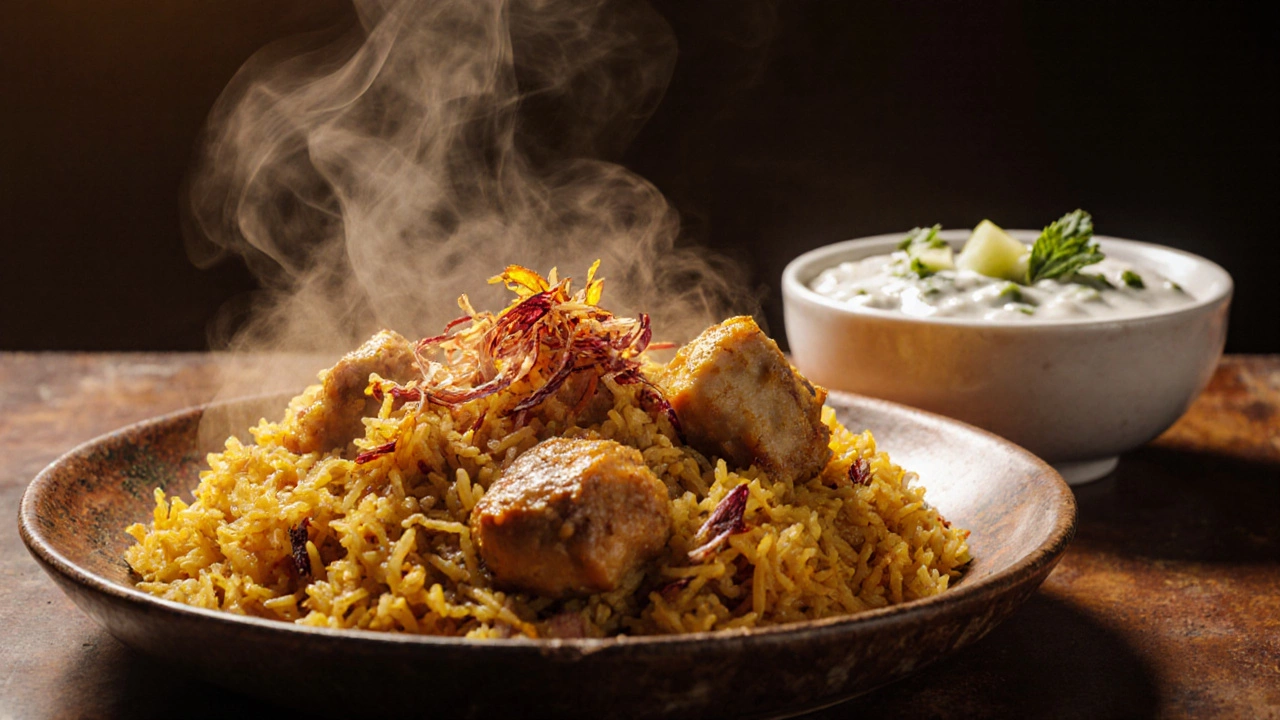
What Is the White Liquid Served With Biryani? Discover the Classic Raita
Discover why the white liquid with biryani is raita, its role, recipes, tips, and how to pair it with different biryanis.
Read More