Spun Sugar: How It's Made, Why It Matters in Indian Desserts
When you see fine threads of sugar swirling over a plate of gulab jamun, a classic Indian milk-based sweet soaked in syrup. Also known as sugar lace, it’s not just decoration—it’s a craft passed down through generations of sweet makers who understand how heat, timing, and patience turn simple sugar into something magical. This isn’t candy for kids. It’s a technique used in weddings, festivals, and high-end dessert displays across India, especially in places like Lucknow, Kolkata, and Mumbai, where dessert presentation is part of the experience.
Spun sugar is made by heating granulated sugar to just below caramelization—around 300°F—then drizzling or pulling it into thin strands using a fork or spoon. It’s fragile, quick to set, and needs a dry environment. Humidity kills it. That’s why you rarely see it outside of special occasions or professional kitchens. But here’s the thing: it’s not just about looks. The texture adds a crisp, melting contrast to soft sweets like rasgulla, a spongy cheese ball soaked in sugar syrup, or rich barfi, a dense milk fudge often flavored with cardamom and nuts. When you bite into a sweet covered in spun sugar, you get crunch, then softness, then melt—all in one bite.
Many of the recipes you’ll find below show how spun sugar ties into bigger traditions. You’ll see how it’s used on festive jalebi, a deep-fried, syrup-soaked spiral dessert for Diwali, or how it’s piped over wedding cakes made with khoya. Some posts even explain why home cooks skip it—too risky, too messy, too easy to burn. But those who master it? They don’t just make desserts. They make memories.
There’s no magic trick. No fancy tools. Just sugar, heat, and a steady hand. And if you’ve ever wondered why your homemade sweets look flat while restaurant ones sparkle? It’s often because of this one detail. Below, you’ll find real stories from home cooks and professionals who’ve tried—and sometimes failed—to get it right. You’ll learn how to avoid the common mistakes, what temperature to aim for, and when it’s better to leave it out. This isn’t about perfection. It’s about understanding why something so simple can make a dessert unforgettable.
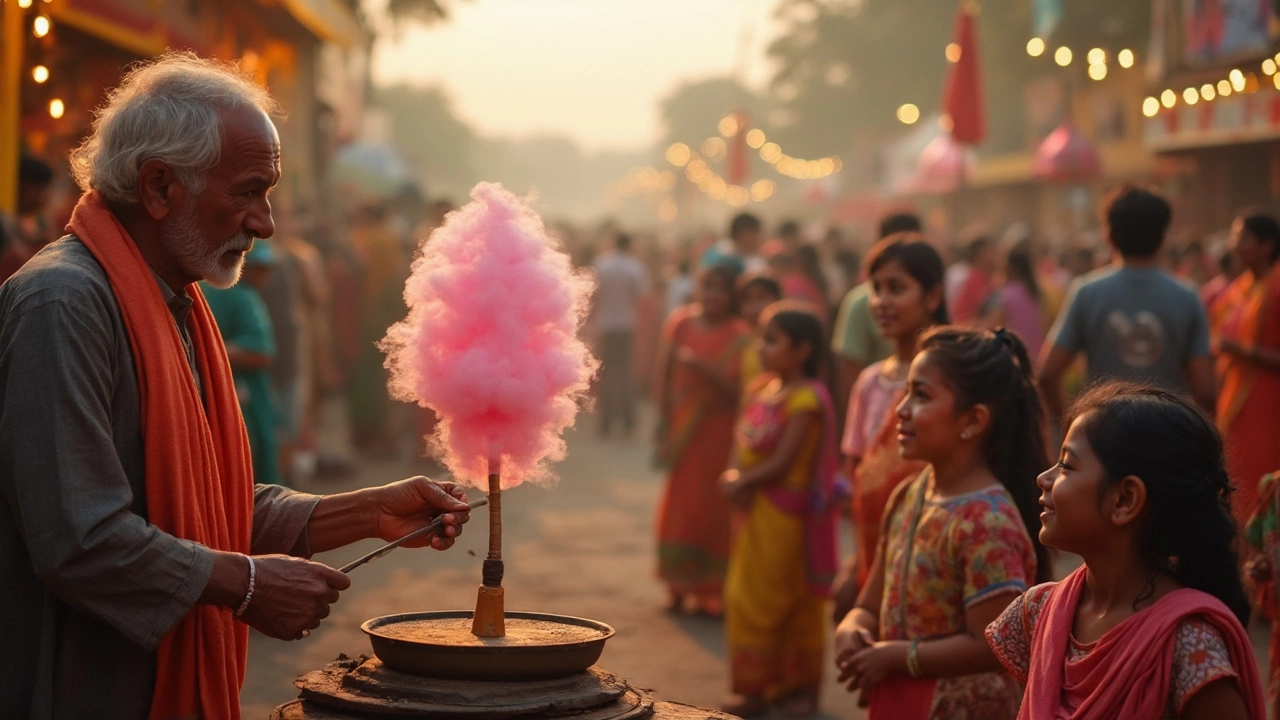
Indian Candy Floss: The Sweet Story Behind This Fun Dessert
Indian dessert candy floss, often called buddhi ke baal or sweet cotton, is spun sugar that's light, airy, and loved at fairs and festivals. This guide digs into the history, names, and how this nostalgic treat is made. You'll get tips to make it at home, learn about regional twists, and even some quirky facts. No tricky steps, just a sweet deep dive into an Indian fairground favorite. Find out what makes it a timeless hit from childhood to today.
Read More