Soft Roti: How to Make Perfect Indian Flatbread Every Time
When you think of Indian bread, soft roti, a simple, unleavened flatbread made from whole wheat flour, water, and a pinch of salt. Also known as chapati, it's the quiet hero of every Indian meal—scooping up dal, wrapping around curry, or just eaten plain with a smear of ghee. It’s not fancy, but getting it right? That’s where most people struggle.
Soft roti isn’t just about mixing flour and water. It’s about kneading, the process of working the dough until it’s smooth and elastic, which traps air and creates that tender bite. Too little kneading? Your roti will crack. Too much? It gets tough. Then there’s resting, the 20-30 minute pause after kneading that lets the gluten relax so the dough rolls out easily without springing back. Skip this, and you’ll be wrestling with stubborn dough all night. And don’t forget the tawa, the flat griddle used to cook roti, which needs to be just the right temperature—not too hot, not too cold. A cold tawa makes soggy rotis; a too-hot one burns them before they puff up.
Most rotis turn out hard because people use the wrong flour, skip resting, or flip them too early. You don’t need a fancy oven or a professional chef’s touch. Just patience, a little practice, and the right technique. The best soft roti puffs up like a balloon on the tawa, has light brown spots, and stays pliable even after cooling. It’s the kind of bread that makes you want to eat three at once.
What you’ll find in the posts below aren’t just recipes—they’re fixes for the real problems people face: dough that won’t roll, rotis that won’t puff, flour that’s too coarse. You’ll learn how to use leftover milk to make dough softer, why some people add a dash of oil, and how to store roti so it stays fresh for days. Whether you’re making roti for the first time or you’ve been at it for years, there’s something here that’ll help you finally get it right.
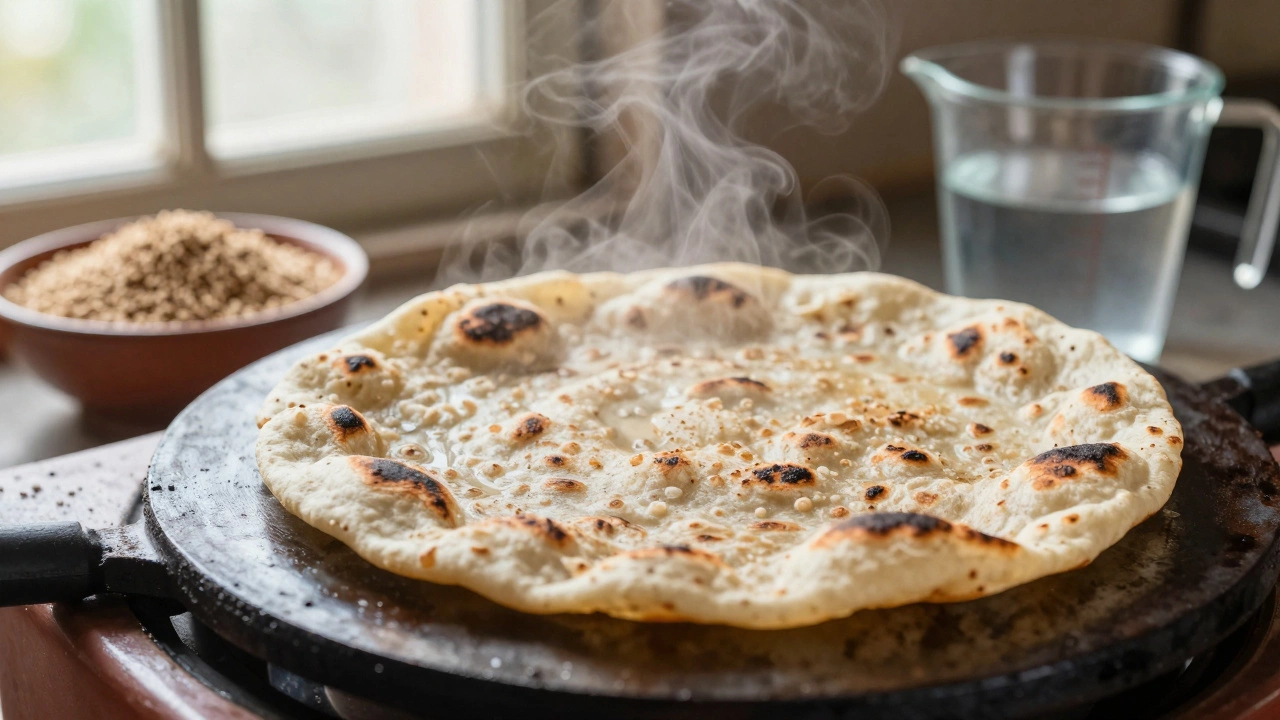
Why Is My Roti Hard After Cooking? Fix Your Dough and Technique Today
Hard roti is usually caused by dry dough, insufficient resting, or a cold tawa. Learn how to fix your technique with simple, proven steps for soft, fluffy roti every time.
Read More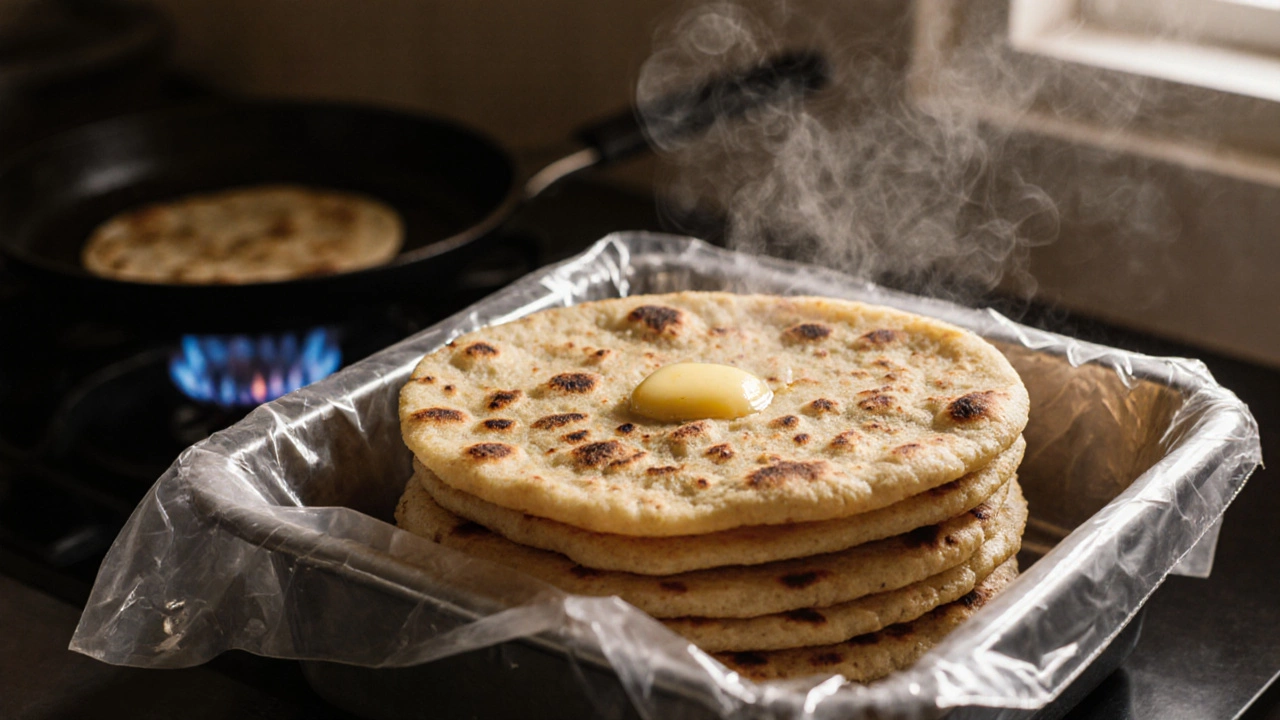
How to Keep Roti Soft for Hours - Proven Tips and Tricks
Learn the exact steps, ingredients and storage tricks to keep roti soft for hours, with easy reheating tips and common mistakes to avoid.
Read More