Rice Flavoring: How to Make Plain Rice Taste Amazing
When you think of rice flavoring, the process of infusing cooked rice with aromatics, spices, and liquids to elevate its taste and smell. Also known as aromatic rice preparation, it’s what turns a plain bowl of grains into the star of a meal. It’s not just about salt and water. In Indian cooking, rice flavoring is a quiet art—done right, you don’t even notice the steps, but you remember the taste forever.
Think about biryani. The rice doesn’t just sit there—it’s layered with saffron soaked in warm milk, fried onions, cardamom pods, and cumin seeds sizzled in ghee. That’s rice flavoring. It’s not a spice you sprinkle on top. It’s a slow build: toast the whole spices first, let them release their oils, then let the rice soak up that magic as it cooks. Same goes for jeera rice, where cumin seeds crackle in hot oil before the rice joins in. Or masala rice, where turmeric, ginger, and green chilies bloom in oil before the grains even hit the pot. These aren’t add-ons. They’re the foundation.
What makes rice flavoring work isn’t fancy ingredients—it’s timing and heat. Too early, and the spices burn. Too late, and they just sit on top, useless. The best Indian cooks know that rice absorbs flavor best when it’s added right after the oil gets hot but before the water boils. That’s why you see them fry whole spices, then add rice and stir for a full minute before pouring in liquid. It’s not a recipe—it’s a rhythm. And it’s why your homemade rice can taste better than takeout if you just get this one thing right.
You’ll also find rice flavoring in everyday meals. A pinch of asafoetida in boiled rice for digestion. A few strands of saffron in kheer, where rice meets milk and cardamom. Even plain steamed rice gets a lift from a bay leaf or a clove tucked in during cooking. It’s not about complexity. It’s about intention. The same rice, cooked two different ways, becomes two different dishes.
What you’ll find in the posts below isn’t a list of recipes. It’s a look at how rice flavoring shows up in real Indian kitchens—from the mistakes people make when making biryani, to why fermentation affects the taste of rice-based batters, to how the right acid changes everything when you’re making paneer alongside your rice. You’ll see how the same principles apply whether you’re cooking for one or for a crowd. No magic. No gadgets. Just the quiet, powerful science of flavor.
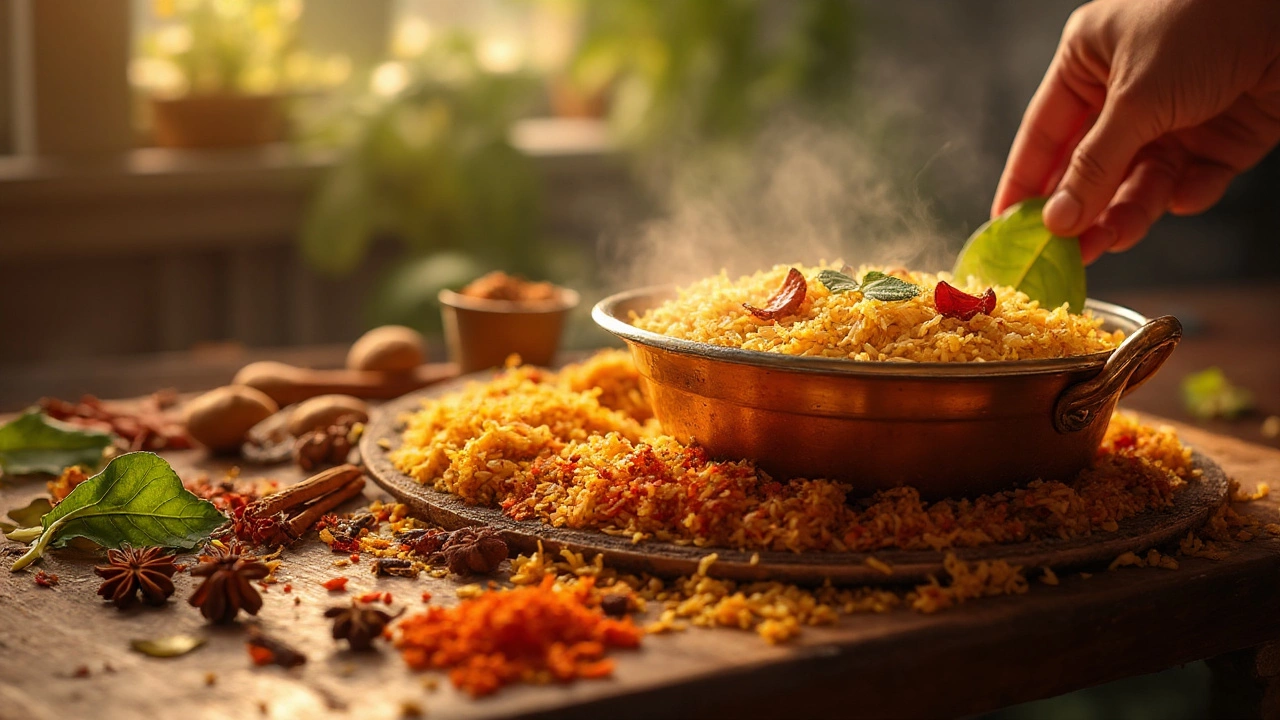
What Are the Black Things in Biryani? Spices That Make Your Biryani Pop
Ever wondered what those black things are in your biryani? Dive into this detailed guide on whole spices, their flavor, health perks, and pro tips for the perfect plate.
Read More