Restrictions in Indian Cooking: Dietary Rules, Food Practices, and What to Avoid
When you think about restrictions, rules that shape what people eat based on culture, religion, or health. Also known as food limitations, these aren’t just about what’s missing from the plate—they’re about respect, tradition, and sometimes survival. In India, food isn’t just fuel. It’s tied to belief, timing, and even the way ingredients are grown. A Jain avoids root vegetables like carrots because pulling them up kills the entire plant, breaking their vow of non-violence. That’s not a trend. That’s a spiritual practice passed down for centuries.
Then there’s dal at night, a common dietary concern in Indian households where heavy lentil dishes are avoided after sunset. Nighttime dal can slow digestion, cause bloating, and disrupt sleep—not because it’s bad, but because the body’s metabolism slows down. It’s not a myth. It’s physiology meeting tradition. And then there’s biryani mistakes, the small errors that ruin an entire pot of rice and meat. Biryani errors like overcooking the rice, skipping the dum process, or layering unevenly aren’t just about taste—they’re about respect for the dish. These aren’t random rules. They’re lessons learned from generations of cooks who knew exactly what works and what doesn’t.
These restrictions aren’t about being limited. They’re about being intentional. Whether it’s avoiding onions and garlic in Jain meals, choosing the right acid for paneer to avoid bitterness, or knowing why dosa batter needs natural fermentation instead of yeast, every choice has a reason. You won’t find these in cookbooks labeled "healthy eating." You’ll find them in kitchens where grandmothers watch the batter bubble, where street vendors check if the oil is hot enough before frying samosas, and where families pass down not just recipes, but rules.
What you’ll find below isn’t a list of dos and don’ts. It’s a collection of real stories from real kitchens—why Jains don’t eat carrots, why your dosa isn’t crispy, why biryani fails even when you follow the recipe, and why some people swear never to eat dal after dark. These aren’t opinions. They’re observations from people who live by these rules every day. You don’t need to follow them. But if you want to cook Indian food the way it’s meant to be cooked, you need to understand them.
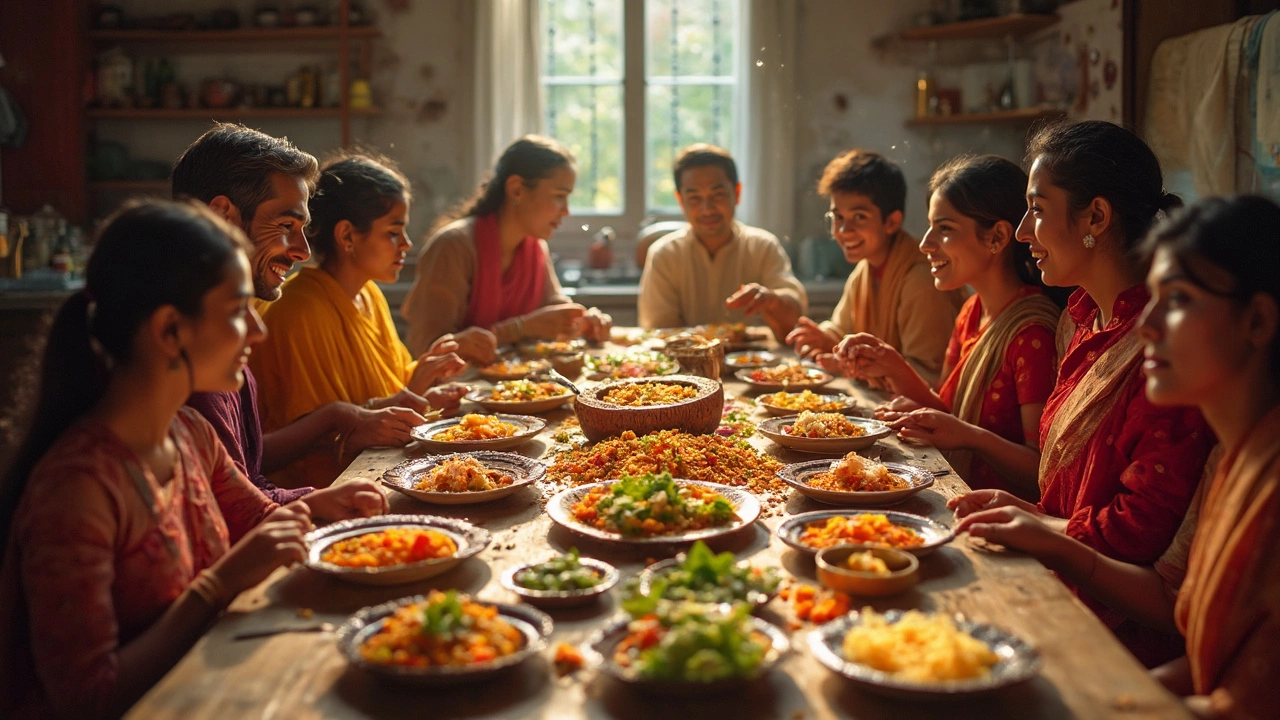
What Do Most Indians Not Eat? Surprising Food Habits from Every Corner
Ever wondered what foods Indians skip on their plates? This article breaks down the surprising things that don't make it into most Indian homes and why. From strict meat bans to certain taboo vegetables, get the inside scoop on the do-not-eat lists across Indian communities. You'll even find handy cooking tips and smart substitutes so your recipes fit right in. Perfect if you're curious, health-conscious, or just want to cook something everyone can enjoy.
Read More