Rasgulla: The Classic Indian Sweet Made with Milk and Magic
When you think of rasgulla, a soft, spongy Indian sweet made from chhena (cottage cheese) soaked in light sugar syrup. Also known as rasagola, it’s one of the most cherished desserts across eastern India and beyond. This isn’t just candy—it’s milk transformed by patience, heat, and tradition. Every bite holds the story of how simple ingredients—milk, lemon juice, sugar, and time—come together to make something magical.
Rasgulla is a child of chhena, fresh cheese made by curdling milk with acid. This same chhena is also the base for paneer, but where paneer is firm and savory, chhena for rasgulla is kneaded gently, shaped into balls, and boiled slowly in syrup until it swells like a cloud. The process is delicate: too much kneading, and the balls turn rubbery; too little heat, and they won’t absorb the syrup. It’s a balance that’s been perfected over generations, especially in West Bengal and Odisha, where rasgulla isn’t just dessert—it’s heritage.
What makes rasgulla stand out among Indian sweets? It’s the texture. Unlike gulab jamun, which is fried and dense, or barfi, which is fudge-like, rasgulla melts in your mouth because of how the milk proteins restructure under heat and syrup. That’s why it pairs so well with other milk-based dishes like kheer or rabri. And while modern versions come in rose, saffron, or even chocolate flavors, the classic version—plain, white, and soaked in clear syrup—still wins every time.
You’ll find rasgulla at every festival, wedding, and temple offering. It’s the sweet that says, "We’re celebrating." And if you’ve ever tried making it at home, you know it’s not just about the recipe—it’s about the rhythm. The way you drain the chhena, the temperature of the syrup, how long you boil the balls… each step matters. That’s why so many of the posts here talk about milk, cheese, and fermentation—because rasgulla doesn’t live in isolation. It’s connected to paneer, to yogurt, to the way Indians use milk not just as food, but as a canvas for flavor.
Below, you’ll find posts that dig into the stories behind this sweet, the science of syrup absorption, why some batches fail, and how to get that perfect sponginess every time. You’ll also see how rasgulla fits into the bigger picture of Indian desserts—from the way it’s served at home to how it’s sold on street corners in Kolkata. Whether you’re trying it for the first time or you’ve been making it for years, there’s something here for you.
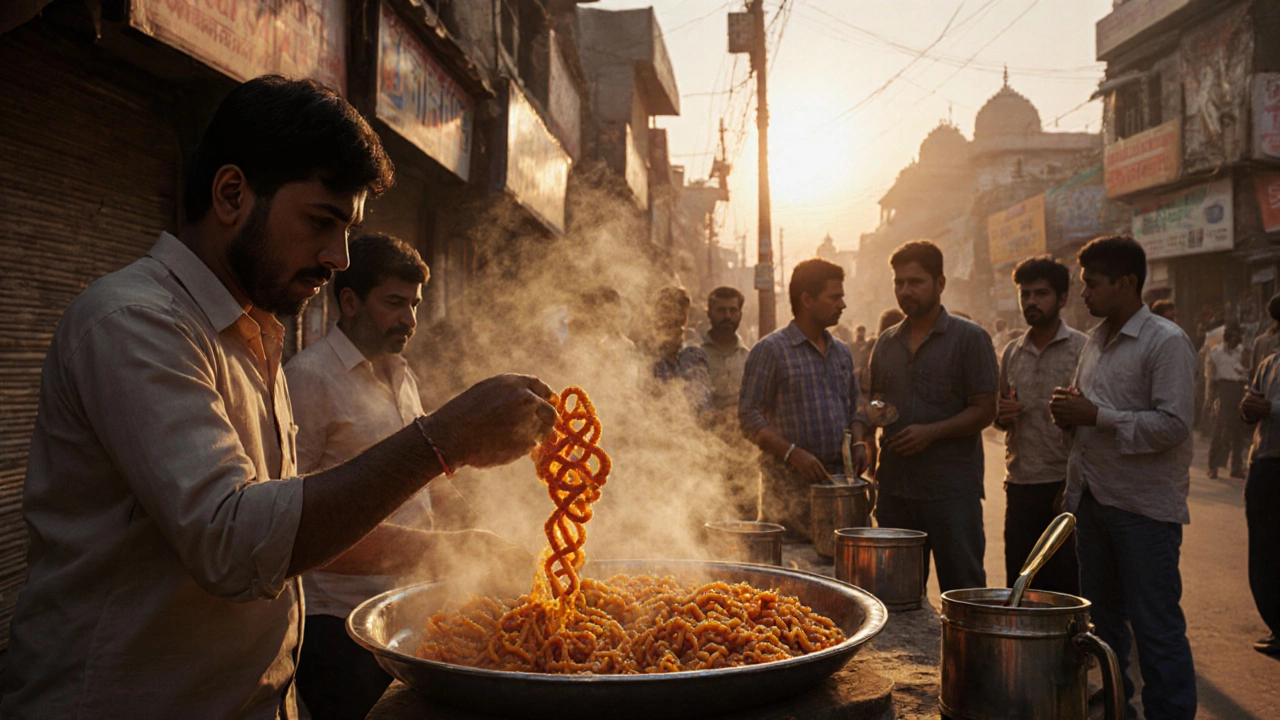
What Is the Traditional Sweet of India? Top Regional Sweets and Their Stories
India doesn't have one traditional sweet-it has many. Jalebi, rasgulla, and gulab jamun are among the most beloved, each tied to region, festival, and family. These sweets are made with milk, jaggery, and spices, and are still prepared the same way for centuries.
Read More