Paneer Spoilage Signs: How to Tell If Your Paneer Has Gone Bad
When you make or buy paneer, a fresh Indian cheese made by curdling milk with acid. Also known as Indian cottage cheese, it’s a staple in homes and restaurants across India—used in curries, snacks, and sweets. But unlike hard cheeses, paneer doesn’t last long. Knowing the paneer spoilage signs can save you from bad meals and stomach trouble.
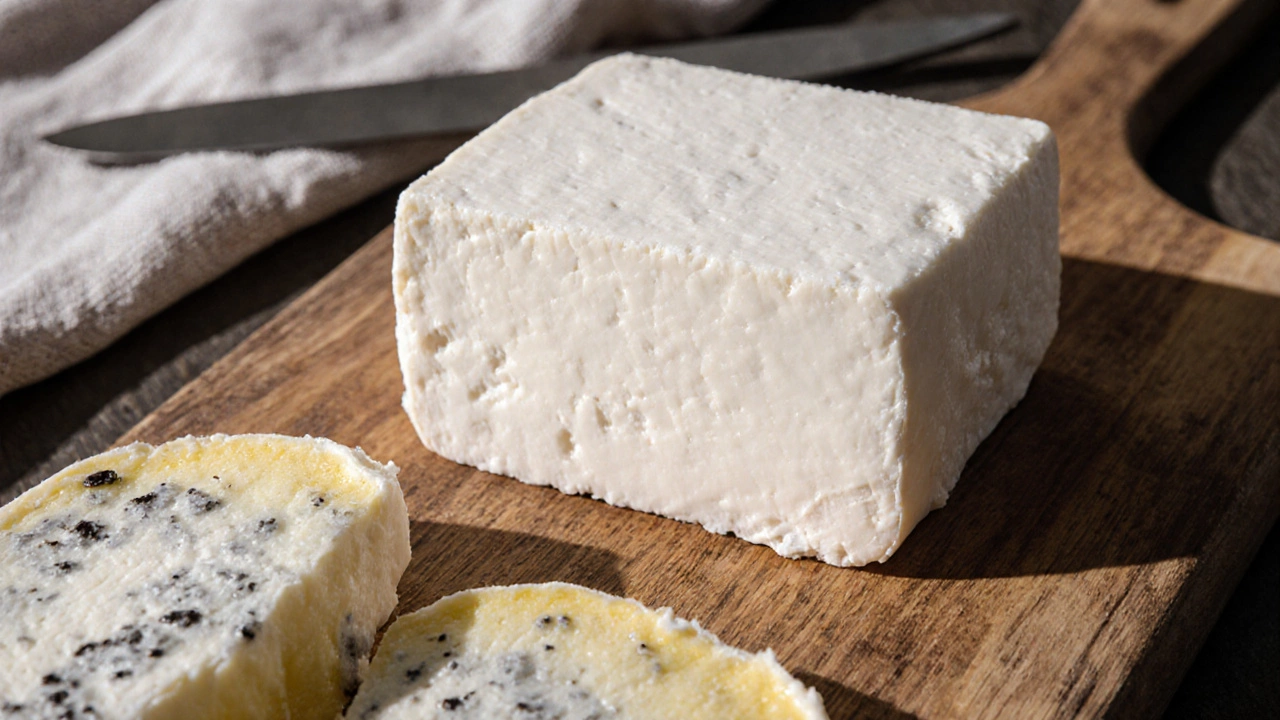
Paneer goes bad faster than you think, especially if it’s not stored right. Fresh paneer should be firm, white, and smell mildly milky—like plain yogurt. If it starts to smell sour, like spoiled milk, or has a sharp, unpleasant odor, it’s gone off. You might also notice a slimy or sticky surface, which is a clear sign of bacterial growth. Mold is another red flag: fuzzy white, green, or gray spots mean it’s time to throw it out. Don’t try to cut off the moldy part—paneer is too soft and porous for that to be safe.
Storage matters a lot. Paneer kept in water in the fridge lasts 2–3 days, but if you change the water daily, it can stretch to 5 days. Dry paneer in an airtight container lasts slightly longer, but still not more than a week. If you’ve left it out at room temperature for more than 2 hours—especially in warm weather—it’s risky to eat. Freezing paneer works well, but thawed paneer gets a bit crumbly. That’s okay for cooking, but if it smells off after thawing, don’t use it. The milk, the base ingredient in paneer is highly perishable, and so is anything made from it. Even if your paneer looks fine, trust your nose and texture more than the date on the package.
Many people wonder if sour paneer is the same as fermented paneer. It’s not. Fermented dairy like yogurt or buttermilk has controlled bacteria that improve flavor and safety. Spoiled paneer has uncontrolled bacteria that can cause food poisoning. Symptoms like nausea, cramps, or diarrhea after eating paneer? It’s likely spoiled. Always check before cooking—especially if you’re using leftover paneer from last week’s curry.
There’s a reason why Indian households often make paneer in small batches. It’s not just about freshness—it’s about safety. When you know the paneer spoilage signs, the clear indicators that paneer has turned bad, you avoid wasting money and health. You’ll also feel more confident making paneer at home, knowing exactly when it’s good to use and when it’s not. The posts below cover everything from how to store paneer properly to what happens when you use old paneer in recipes like paneer tikka or palak paneer. You’ll find real fixes, real warnings, and real tips from people who’ve been there—no guesswork needed.
How to Tell If Paneer Is Spoiled - Simple Checks & Safety Tips
Learn to spot spoiled paneer with simple visual, smell and touch tests, plus storage tips to keep it fresh and safe.
Read More