Legumes in Indian Cooking: Dal, Lentils, and How They Power Everyday Meals
When you think of Indian food, you might picture spicy curries or buttery naan, but the real foundation of most meals is something quieter, simpler, and far more essential: legumes, plant-based proteins like lentils, chickpeas, and dried beans that form the daily protein source for millions across India. Also known as pulses, these humble ingredients are cooked into dal, stirred into soups, ground into batters, and served with rice or roti—day in, day out. They’re not just food; they’re nutrition, tradition, and economy rolled into one bowl.
Every Indian kitchen relies on dal, a general term for split lentils or legumes cooked into a thick, comforting stew. Whether it’s yellow toor dal, red masoor dal, or green moong dal, each type has its own texture, flavor, and best use. You can’t talk about legumes in India without talking about soaking. soaking dal, the simple act of letting legumes sit in water before cooking, isn’t optional—it’s what makes them digestible, faster to cook, and less likely to cause bloating. Skip it, and you’re asking for a stomachache. Get it right, and you unlock the full potential of the legume.
Legumes don’t work alone. They’re paired with rice for balance, with roti for heartiness, and with raita or pickle to cut through their earthiness. They’re the reason why breakfast is idli and dosa—fermented rice and lentil batters that rise on their own, thanks to natural bacteria turning simple ingredients into something light, tangy, and nutritious. Even paneer, the fresh cheese you might think of as dairy-only, often starts with milk that’s been strained after cooking legume-based dishes like khichdi, where the whey gets reused. The connection runs deep.
And yet, people still make mistakes. They cook dal too fast, skip soaking, use the wrong water-to-legume ratio, or serve it cold. That’s why you’ll find posts here on how long to soak dal, why dosa batter turns sour from fermentation, and why eating dal at night might not be the best idea. These aren’t random tips—they’re lessons from decades of home cooking, passed down because they work.
Legumes are the quiet heroes of Indian kitchens. They’re cheap, they’re filling, they’re packed with protein and fiber, and they’ve fed families through generations. You don’t need fancy ingredients or expensive tools to cook them well. Just patience, the right ratio, and a little understanding of how they behave. Below, you’ll find real fixes, real recipes, and real advice from people who cook these dishes every single day—no fluff, no theory, just what actually makes legumes taste better, digest easier, and last longer on your plate.
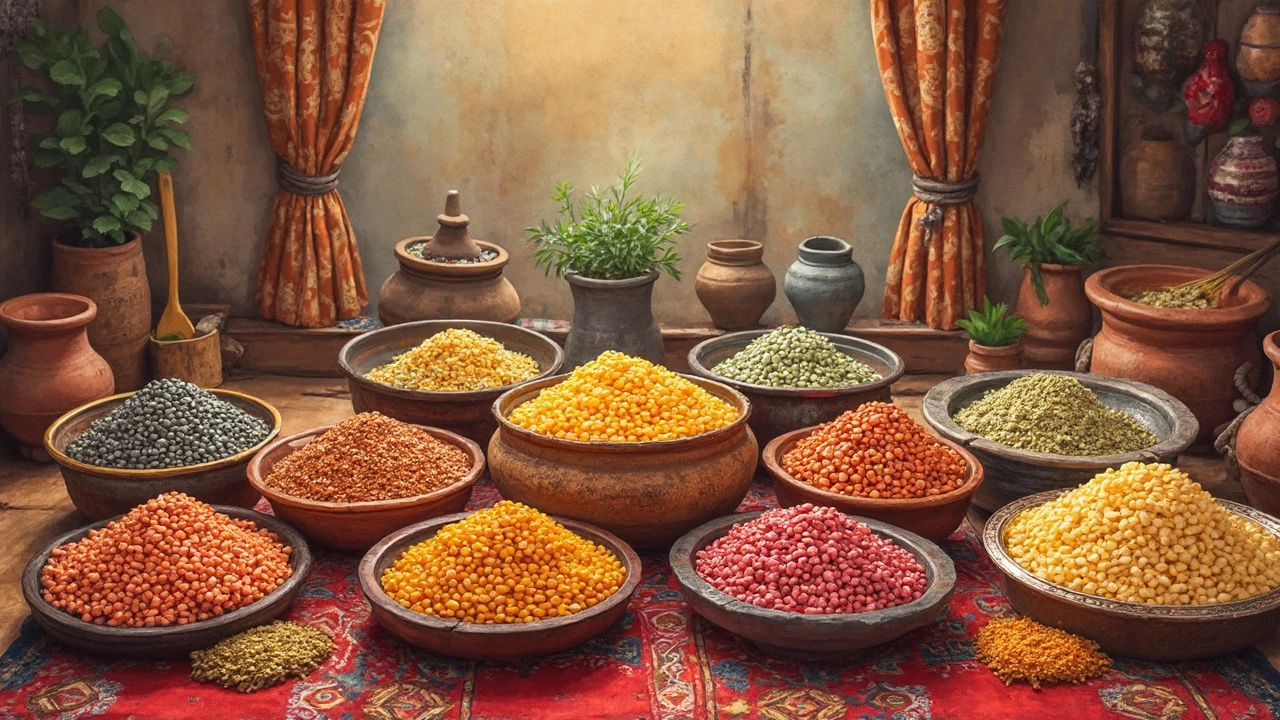
Dal vs Lentils: Are They Really the Same Thing?
Dal and lentils often get confused, but they have distinct roles in culinary traditions, especially in Indian cuisine. Dal refers to both the ingredient and the dish made from lentils or other legumes, while lentils are specific types of legumes themselves. Understanding the difference can elevate your cooking and appreciation of flavors. Learn how these two are used differently and the cultural significance they hold. Discover some tips to make your dal dishes a hit every time.
Read More