Jain vegetarianism: What it means and how it shapes Indian food
When you hear Jain vegetarianism, a strict form of plant-based eating rooted in the principle of ahimsa, or non-violence, practiced by followers of Jainism. Also known as Jain diet, it goes beyond just avoiding meat—it leaves out onions, garlic, root vegetables, and even honey, because harvesting them harms tiny life forms in the soil or plants. This isn’t just about food choices; it’s a daily practice of minimizing harm, and it’s shaped Indian kitchens for over 2,500 years.
Because of this, Jain cooking relies heavily on lacto-vegetarian, a diet that includes dairy but excludes all animal flesh and certain plant parts ingredients. Milk, paneer, yogurt, and ghee are staples—not just because they’re nutritious, but because they’re seen as non-harming sources of protein. That’s why so many traditional Indian sweets like gulab jamun, deep-fried milk-based dough balls soaked in syrup, often made without eggs or animal fats fit perfectly into Jain meals. Even dishes like dosa, fermented rice and lentil batter cooked into crispy pancakes are naturally Jain-friendly, as long as no garlic or onions are added during preparation.
What you won’t find in a Jain kitchen? Onions, garlic, potatoes, carrots, radishes, or any vegetable that grows underground. Why? Because pulling them up kills the entire plant and countless microorganisms in the soil. Instead, Jain cooks use ginger, asafoetida, curry leaves, and dried spices to build deep flavor without breaking their ethical code. This focus on clean, pure ingredients makes Jain food some of the most thoughtful in Indian cuisine. It’s not about restriction—it’s about intention.
And because dairy is central to Jain eating, recipes like homemade paneer, kheer, and lassi appear often in this tradition. You’ll see this in posts about how to make paneer from milk, why dosa batter ferments naturally, and how to pair dal with rice without using garlic. These aren’t random recipes—they’re all connected by the same principle: eating with awareness. Whether you’re Jain, curious about plant-based diets, or just love Indian food, this collection shows how deeply culture, ethics, and flavor are woven together.
Below, you’ll find real recipes, fixes, and insights from kitchens that follow this ancient way of eating—no guesswork, no compromises, just clear, practical food that honors both tradition and taste.
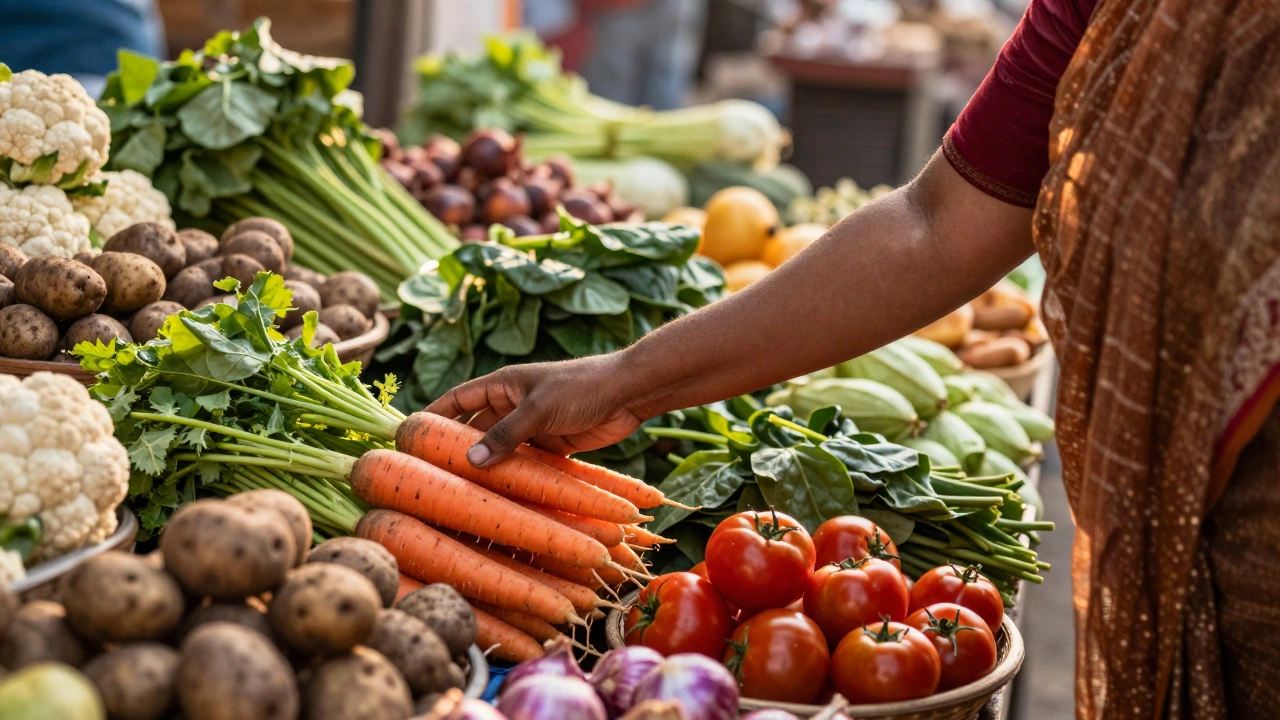
Why Jains don't eat carrot? Understanding Jain dietary restrictions and root vegetables
Jains avoid carrots and other root vegetables due to their belief in non-violence toward all living beings. This practice stems from spiritual principles, not diet trends, and reflects a deep commitment to minimizing harm in everyday life.
Read More