Indian Grilling Tips: Master the Art of Tandoori and Street-Style BBQ
When you think of Indian grilling tips, practical methods for cooking meat, paneer, and vegetables over open flame or high heat using traditional Indian techniques. Also known as tandoori cooking, it’s not just about charring food—it’s about locking in flavor with spices, yogurt, and controlled heat. Unlike Western grilling, Indian methods rely on slow, smoky heat and marinades that penetrate deep, not just coat the surface. This is why your chicken tikka should taste like it came from a clay oven, even if you’re using a gas stove.
The secret lies in three things: marinade time, heat control, and moisture. Many people skip marinating for less than 4 hours, but real flavor needs at least 6—overnight is better. Yogurt isn’t just for tenderness; it helps spices stick and brown evenly. And if you’re using a grill pan or oven broiler, don’t crank the heat all the way up. Indian grilling is about medium-high, steady heat, not flame wars. Too hot, and your paneer turns rubbery. Too low, and you get steamed, not grilled.
You’ll also notice that tandoori cooking, a traditional North Indian method using a cylindrical clay oven called a tandoor. Also known as clay oven grilling, it’s the reason why naan sticks to the walls and meats get that signature char is hard to replicate at home—but not impossible. A cast iron skillet preheated on high, then finished under the broiler, gets you 90% there. And don’t forget the charcoal. Even a small grill with charcoal bits adds that smoky depth no spice mix can fake. grilled paneer, firm Indian cottage cheese that holds up well on skewers and absorbs marinades beautifully. Also known as tandoori paneer, it’s a vegetarian favorite that needs the same care as meat. Skip the oil spray—brush it on with a brush after marinating. That’s how street vendors do it.
And then there’s the kebab techniques, the way meat or vegetables are threaded, spaced, and turned to ensure even cooking without drying out. Also known as seekh kebab style, it’s not just about stuffing mince into skewers—it’s about texture, fat balance, and avoiding overcrowding. Too many pieces on one skewer? They steam instead of sear. Too little spice? You’ll taste blandness. The best kebabs have a crisp edge, a juicy center, and a hint of cumin and coriander that lingers. You’ll find that in the posts below—real fixes for dry chicken tikka, soggy vegetables, and weak marinades. No fluff. Just what works, tested in home kitchens across India.
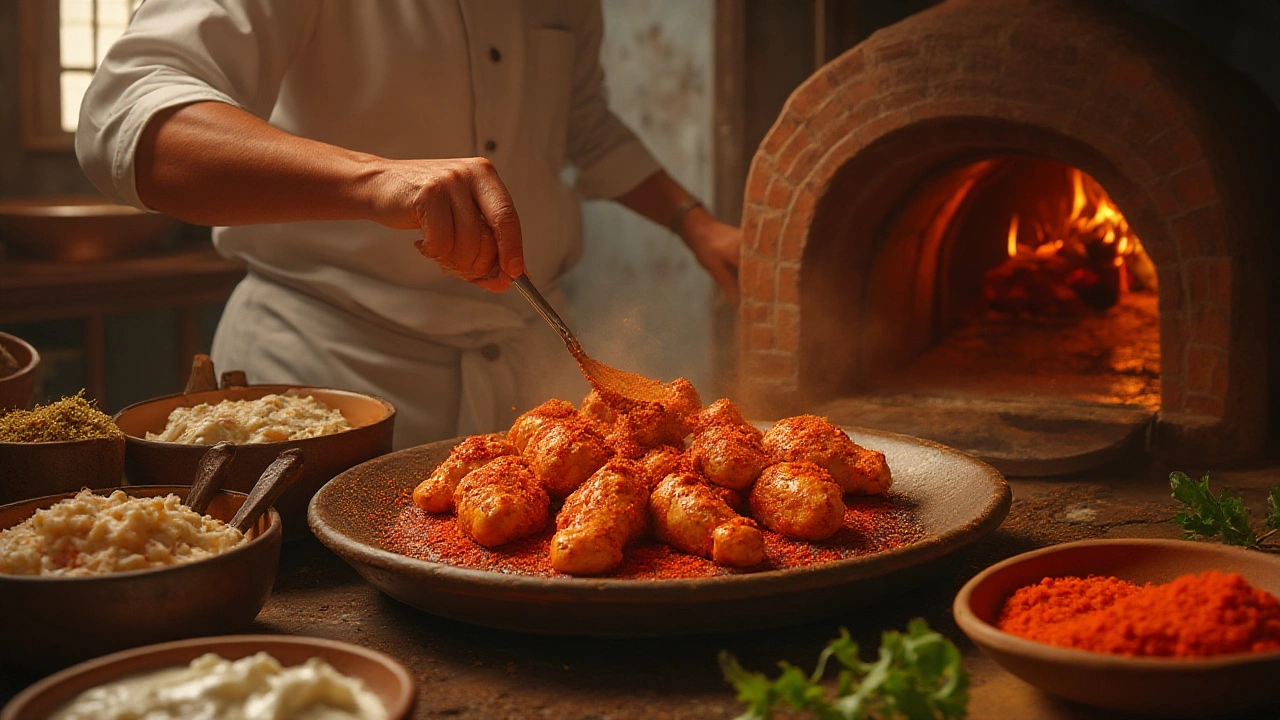
Why Tandoori Chicken Turns Out Dry: The Secrets to Juicy Perfection
Ever wonder why tandoori chicken often ends up dry? Find out the kitchen secrets behind juicy tandoori, what causes the dryness, and get tips for perfect results every time.
Read More