Indian Cuisine in the US: What Americans Love and How to Cook It Right
When people in the US think of Indian cuisine, a vibrant, spice-rich food tradition from South Asia that includes hundreds of regional dishes centered around grains, lentils, dairy, and bold flavors. Also known as South Asian cooking, it’s no longer just a niche interest—it’s a staple in American kitchens and restaurants alike. You’ll find butter chicken on menus from Seattle to Miami, and dosa stalls popping up in college towns. But what exactly makes it click for American palates? It’s not just the spices. It’s the balance—mild enough for kids, rich enough for foodies, and flexible enough to adapt without losing its soul.
One of the biggest reasons biryani, a layered rice dish with meat, spices, and saffron, often cooked slowly to lock in flavor. Also known as Indian rice pilaf, it became a gateway dish is because it’s comforting, not intimidating. Unlike some fiery curries, biryani delivers warmth without overwhelming heat. And it’s not just about the recipe—it’s about technique. Many Americans try making it and end up with mushy rice or bland layers. That’s why posts here break down exactly what goes wrong and how to fix it, from the rice-to-water ratio to the secret of dum cooking. Then there’s paneer, a fresh, non-melting cheese made by curdling milk with lemon juice or vinegar, central to vegetarian Indian meals. Also known as Indian cottage cheese, it is the hero of dishes like paneer tikka and palak paneer. Americans love it because it’s easy to make at home, and you don’t need fancy equipment—just milk and an acid. You can even use slightly sour milk and still get perfect results.
Then there’s the breakfast staple: dosa, a crispy fermented rice and lentil crepe from South India, often served with coconut chutney and sambar. Also known as Indian savory pancake, it has become a favorite for brunch lovers who want something different from pancakes or toast. But getting it crispy? That’s where most try and fail. It’s not just about the batter—it’s about fermentation time, griddle heat, and how much oil you use. The posts here don’t just tell you what to do—they explain why each step matters, so you stop guessing and start nailing it every time.
What ties all this together? It’s not just recipes. It’s understanding the culture behind the food. Indian cuisine in the US isn’t just about importing dishes—it’s about adapting them thoughtfully. People want to know why Jains avoid carrots, why dosa batter turns sour naturally, or why raita is served with biryani. These aren’t random facts—they’re keys to cooking with confidence. Whether you’re cooking for American guests, trying to avoid stomach issues from street food, or just want to make paneer from a gallon of milk, the answers are here. No fluff. No jargon. Just clear, practical knowledge that turns curiosity into competence.
Below, you’ll find real fixes for real problems—why your biryani fell flat, how to keep roti soft for hours, what acid gives you the best paneer, and which Indian sweets Americans actually crave. This isn’t a list of random recipes. It’s a toolkit for making Indian food that tastes like home—whether your home is in Delhi or Detroit.
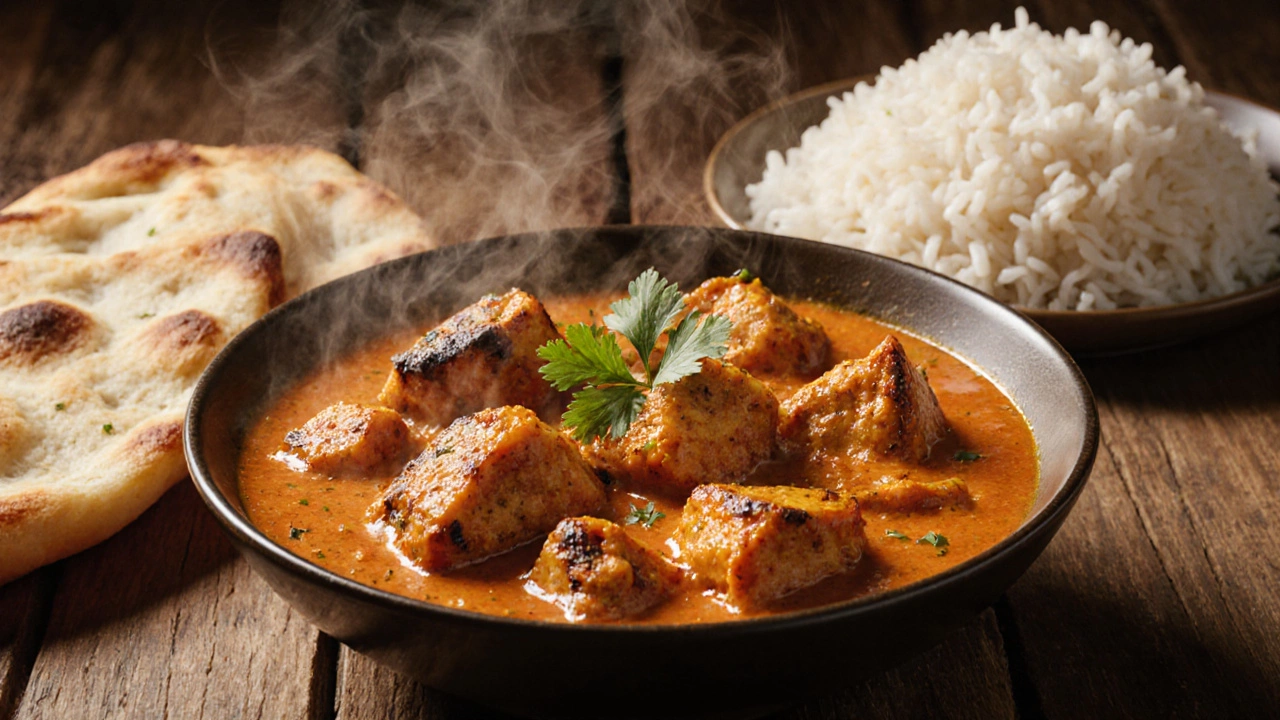
America's Favorite Indian Dish Explained
Discover why Chicken Tikka Masala is America's favorite Indian dish, its history, key ingredients, easy recipe, variations, and pro tips for perfect flavor.
Read More