Guilt-Free Indian Recipes: Healthy, Delicious Meals Without Compromise
When people think of guilt-free, eating well without sacrificing taste or tradition, they often assume it means giving up Indian food. That’s not true. You can enjoy creamy kheer, fluffy dosas, and rich paneer curries without the heavy calories, excess oil, or sugar overload. It’s not about restriction—it’s about smart swaps, better techniques, and understanding what makes a dish truly satisfying. Many traditional Indian meals already lean on wholesome ingredients: lentils, yogurt, whole grains, and milk. The trick is knowing how to use them without turning them into fried, sugary versions of themselves.
Take milk-based desserts, classic Indian sweets made with dairy, sugar, and spices. Gulab jamun and rasgulla are beloved, but they’re often soaked in syrup. You can make them lighter by reducing sugar, using honey or jaggery in smaller amounts, or baking instead of frying. Same goes for paneer, fresh Indian cheese made by curdling milk with acid. Homemade paneer uses just milk and lemon juice—no additives. Pair it with roasted veggies instead of creamy gravies, and you’ve got a protein-rich, low-carb meal. Even biryani, often seen as indulgent, can be made healthier by using brown rice, less oil, and more vegetables. The key isn’t removing flavor—it’s removing excess.
Indian breakfasts like idli and dosa are naturally light, but they’re often served with oily chutneys or sugary sambar. Switch to coconut chutney made with less oil, or try mint-coriander versions. Fermented batter, like the one used for dosa, actually helps digestion and lowers glycemic load—so don’t rush it with yeast. Let it sit overnight. That tangy flavor isn’t a flaw—it’s a benefit. And if you’ve ever wondered why your dosa isn’t crispy, it’s often not the recipe—it’s the heat, the batter consistency, or skipping the oil around the edges. Small changes, big results.
You don’t need to eat bland food to feel good after a meal. The real guilt comes from eating something that leaves you sluggish, bloated, or full of regret. With a few tweaks—like using low-fat milk in desserts, skipping deep frying, or choosing whole wheat roti over white—you can keep the soul of Indian food without the heaviness. These aren’t diet tricks. They’re time-tested adjustments made by home cooks across India who want to enjoy their meals without paying for them later.
Below, you’ll find real recipes and honest fixes from people who’ve been there—whether it’s making biryani healthier, understanding why dosa batter ferments the way it does, or learning how much paneer you actually get from a gallon of milk. No fluff. No fake claims. Just practical ways to eat well, feel better, and still love every bite.
Healthy Indian Snacks: What Really Works?
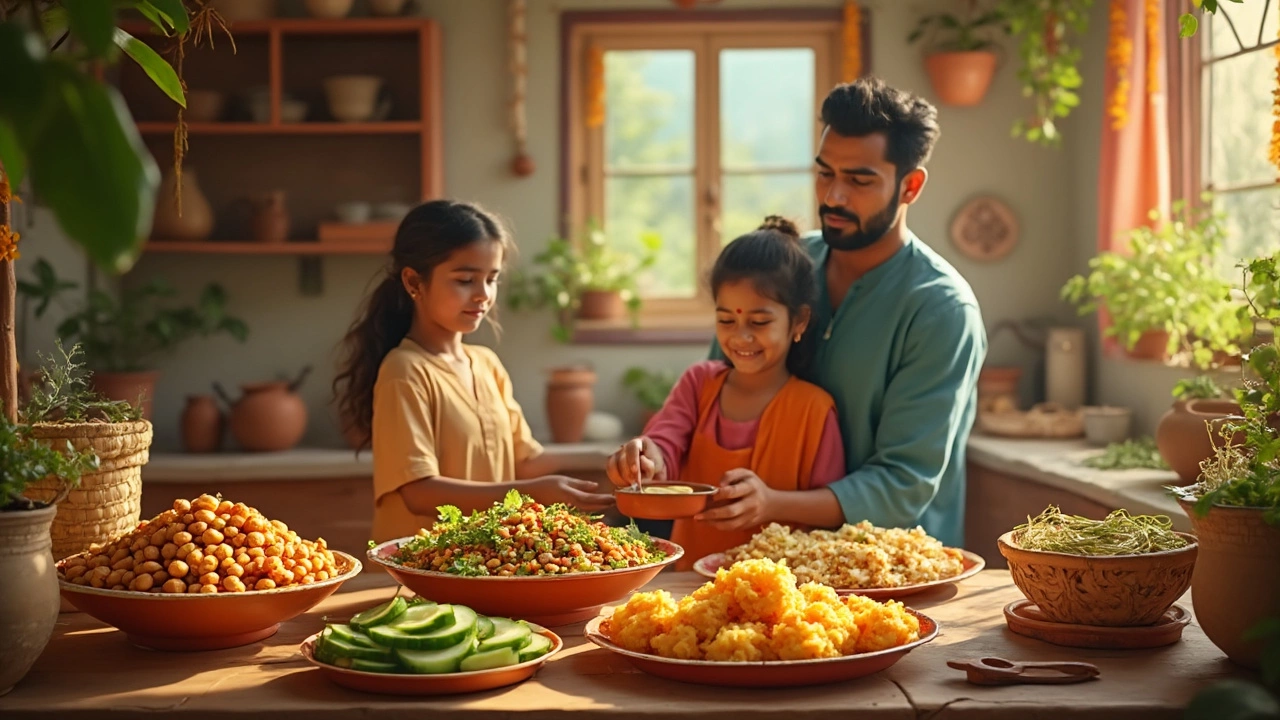
Finding healthy Indian snacks doesn’t mean sacrificing taste or crunch. This article breaks down what makes a snack truly healthy and how Indian food culture packs loads of options. You'll get ideas for filling and tasty bites—from roasted chana to dhokla—that are easy to prep at home or grab on the go. Find tricks for making old favorites even healthier. Whether you’re looking for low-calorie, high-protein, or just plain yummy, this guide has something for everyone.
Read More