Dum Biryani Technique: Master the Slow-Cooked Magic of Indian Biryani
When you think of dum biryani technique, a traditional Indian method of slow-cooking layered rice and meat in a sealed pot to lock in steam and flavor. Also known as dum cooking, it’s what turns ordinary ingredients into a dish that smells like a festival and tastes like home. This isn’t just cooking—it’s patience with purpose. The magic happens when heat, steam, and time work together to tenderize meat, infuse rice with spices, and create that signature aroma that lingers in the air long after the pot is opened.
The dum cooking method, a sealed-pot slow-cooking process that uses trapped steam to gently cook food relies on three things: layering, sealing, and low heat. You start with par-cooked basmati rice, then add marinated meat, fried onions, saffron milk, and herbs. Each layer builds flavor, and the seal—traditionally made with dough or a tight lid—keeps every drop of steam inside. No shortcuts. No stirring. Just quiet, steady heat. This is how biryani gets its soul. Skip this step, and you’re just making rice with chicken. Do it right, and you’ve got a dish people remember for years.
The biryani layering, the deliberate stacking of rice, meat, and aromatics in a pot to maximize flavor absorption is where art meets science. Too much rice on top? The bottom layers stay undercooked. Too little spice between layers? The flavor stays flat. The best cooks know the balance: a thick base of meat, a generous sprinkle of saffron, then rice, then more meat, then more rice, and finally a crown of fried onions and fresh herbs. It’s not random—it’s a recipe written in layers.
You’ll find this technique in nearly every post about biryani on this site—from fixing ruined biryani to understanding why dum is non-negotiable. People ask if biryani is hard to cook. It’s not hard—it’s just misunderstood. Most mistakes come from rushing the steam, skipping the seal, or not letting the rice rest after cooking. The dum biryani technique doesn’t need fancy tools. Just a heavy pot, a tight lid, and time. That’s it.
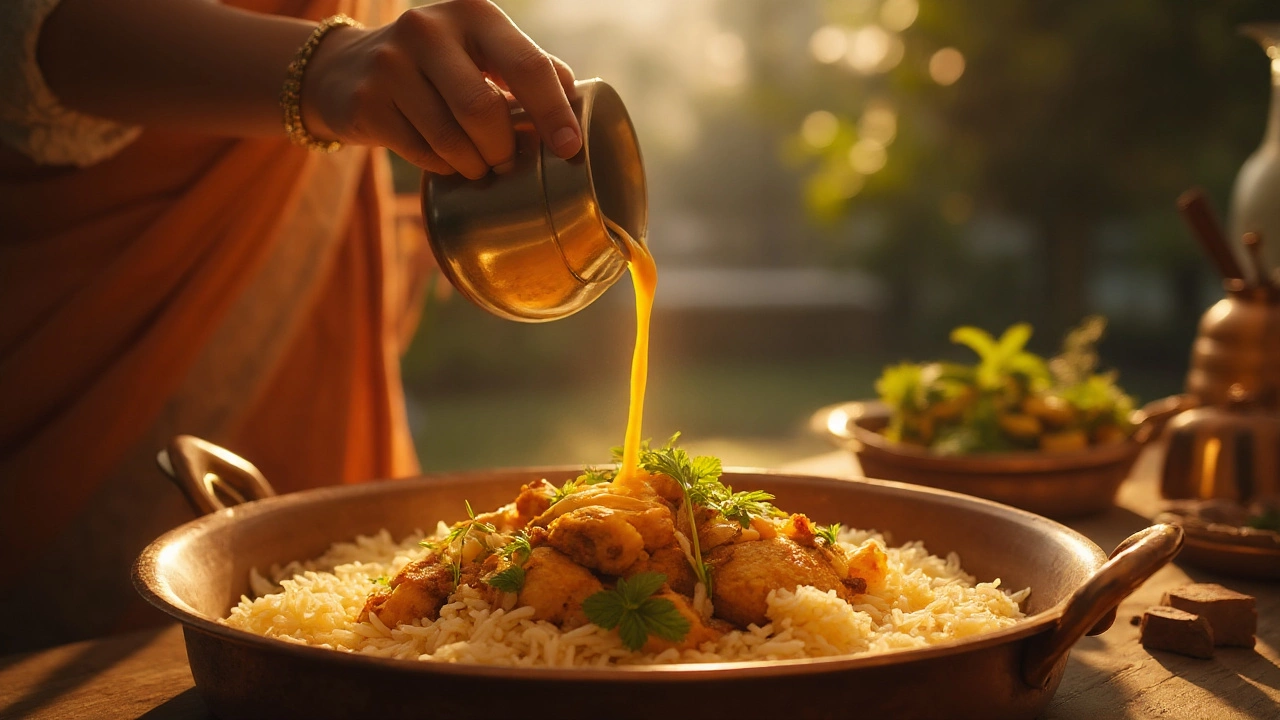
And don’t forget the side: that white liquid you see poured over biryani? It’s not water. It’s raita—cool, creamy yogurt that cuts through the spice and ties the whole dish together. The dum technique doesn’t just cook the biryani. It creates the need for balance. That’s why the best biryanis aren’t just spicy. They’re layered, thoughtful, and deeply satisfying.
Below, you’ll find real fixes, real stories, and real tips from people who’ve burned, overcooked, or under-seasoned their biryani—and learned how to get it right. No fluff. No theory. Just what works when you’re standing in your kitchen, wondering why your biryani doesn’t taste like the one from the corner shop. This is your guide to making it taste like it should.
Why Do We Add Milk in Biryani? Science, Ratios, and Easy Tips
Wondering why milk goes into biryani? Get the science, exact ratios, when to add it, swaps like coconut milk, and pro tips to fix dry, bland, or pale biryani.
Read More