Curry Recipe: The Heart of Indian Kitchens
When you think of curry recipe, a rich, spiced stew from India, often made with meat, vegetables, or legumes and served with rice or bread. Also known as Indian curry, it's not one dish—it’s a whole family of flavors shaped by region, family, and tradition. A real curry recipe doesn’t come from a bottle. It’s built layer by layer: toasted spices, fried onions, slow-cooked tomatoes, and a splash of something tangy—yogurt, tamarind, or coconut milk. It’s the kind of dish that fills your house with smell and leaves everyone asking for seconds.
What makes a curry stand out? It’s not just heat. It’s balance. The chicken curry, a beloved dish with tender pieces of chicken in a creamy, spiced tomato sauce, is famous for a reason—it’s comforting, not overpowering. Then there’s the curry spices, a blend of cumin, coriander, turmeric, cardamom, and more, often toasted fresh to unlock their full aroma. Skip the pre-ground stuff if you can. Whole spices, lightly crushed and fried in oil, make all the difference. And don’t forget the base: onions fried until golden, garlic and ginger paste sizzling just right. These aren’t optional steps—they’re the soul of the dish.
People think curry is complicated. It’s not. You don’t need fancy tools or hours of prep. A good homemade curry, a dish made from scratch with fresh ingredients, not store-bought pastes or powders can come together in under an hour. The secret? Patience with the onions, respect for the spices, and letting the sauce simmer until it clings to the spoon. That’s when the magic happens. Some curries use milk or cream—like butter chicken—others use yogurt or coconut. Each one tells a story. A Punjabi curry is bold. A Tamil one is sour and earthy. A Bengali curry? Subtle, with mustard and poppy seeds.
You’ll find posts here that cut through the noise. No fluff. Just what works: how to fix a watery curry, why your chicken turns rubbery, which spice blend to use for which protein, and how to make paneer curry that doesn’t fall apart. We’ll show you why butter chicken earned its crown, how to make a vegetarian curry that doesn’t taste like an afterthought, and how to store leftover curry so it tastes even better the next day. This isn’t about copying a restaurant. It’s about making something that feels like home—spicy, warm, and full of character.
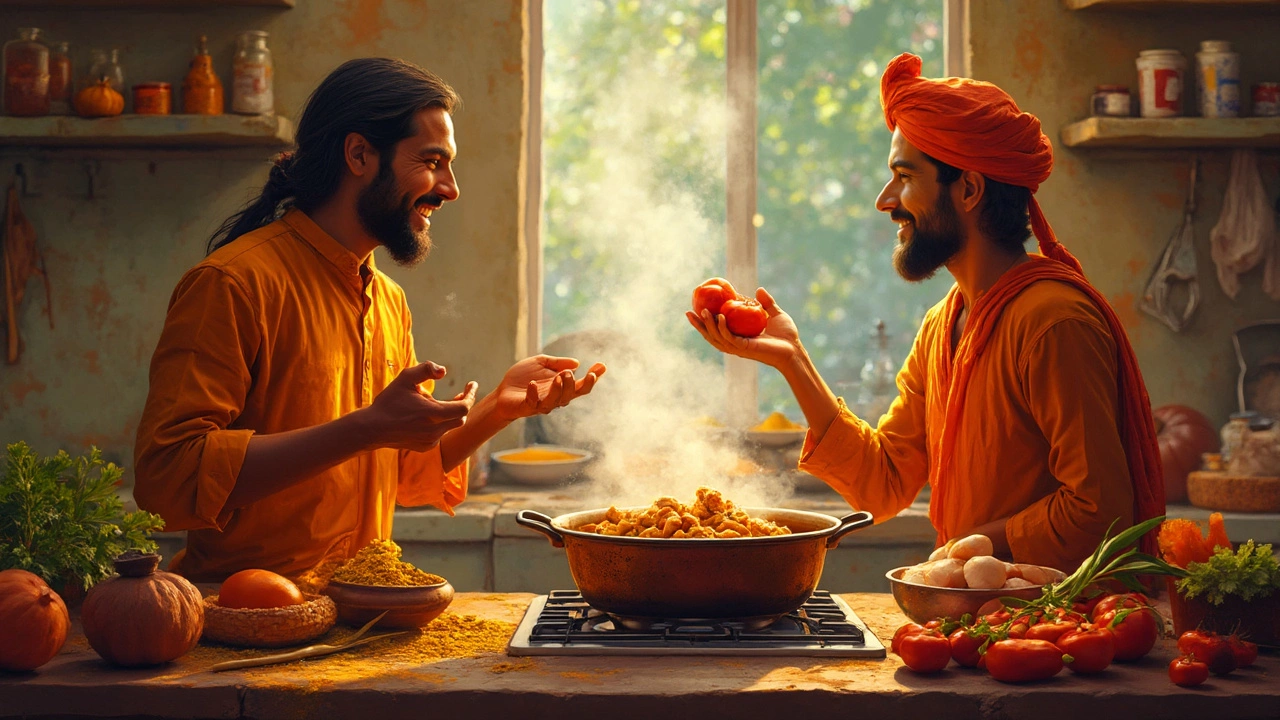
Should You Use Tomatoes in Curry? The Tomato Dilemma in Chicken Curry Recipes
Wondering if tomatoes belong in chicken curry? This article tackles the great tomato debate, explaining how tomatoes affect the flavor, color, and texture of curry. You'll get handy tips on when to use fresh, canned, or even skip tomatoes, depending on the style of curry you want. You'll also find alternatives to tomatoes and get a sense of how regional recipes make curry taste so unique. Get ready to decide if tomatoes deserve a spot in your next chicken curry.
Read More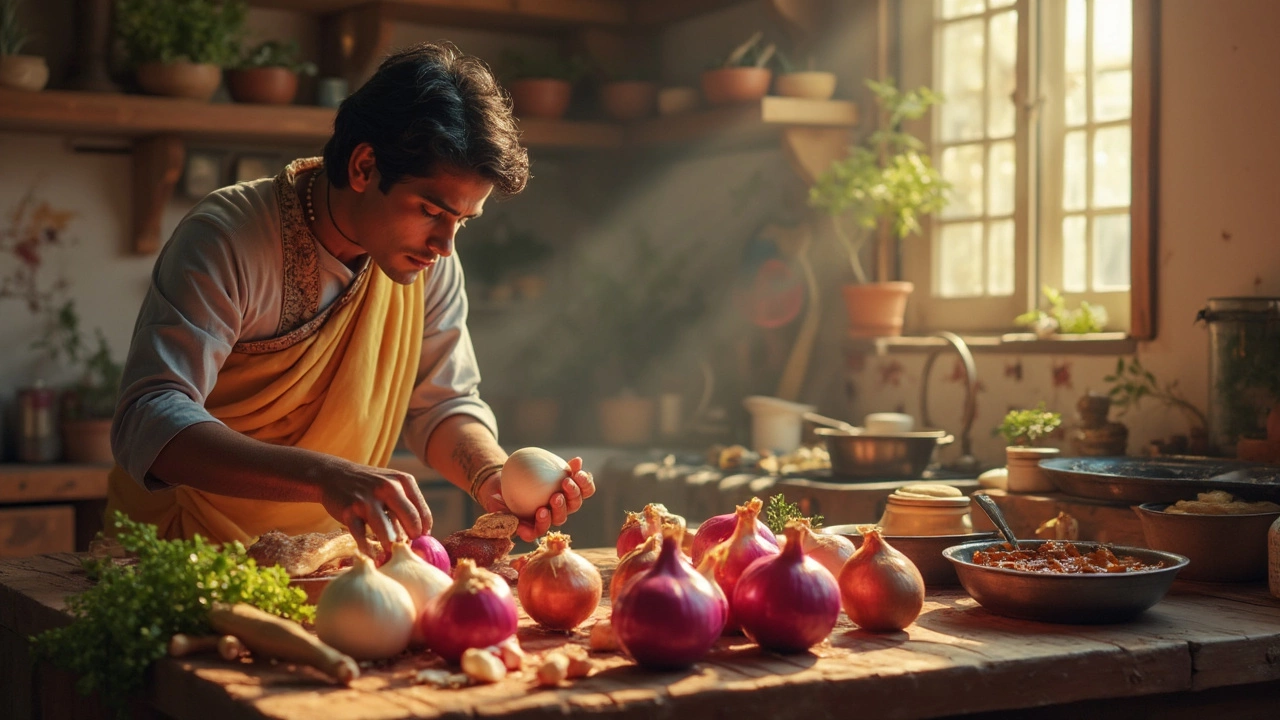
Red or White Onions: Which Is Best for Chicken Curry?
Not sure whether to grab red or white onions for your chicken curry? This article breaks down how each kind affects the taste, color, and texture of your curry. Get tips on how Indian cooks actually use onions in their home kitchens, and learn small tricks that could make your next curry even better. Find out when it’s worth swapping one type for another and which mistakes to avoid if you want the real deal. If you've been curious about the science behind those golden-brown onions, you’re in the right place.
Read More