Curry Cooking Tips: Master Flavor, Spice, and Technique
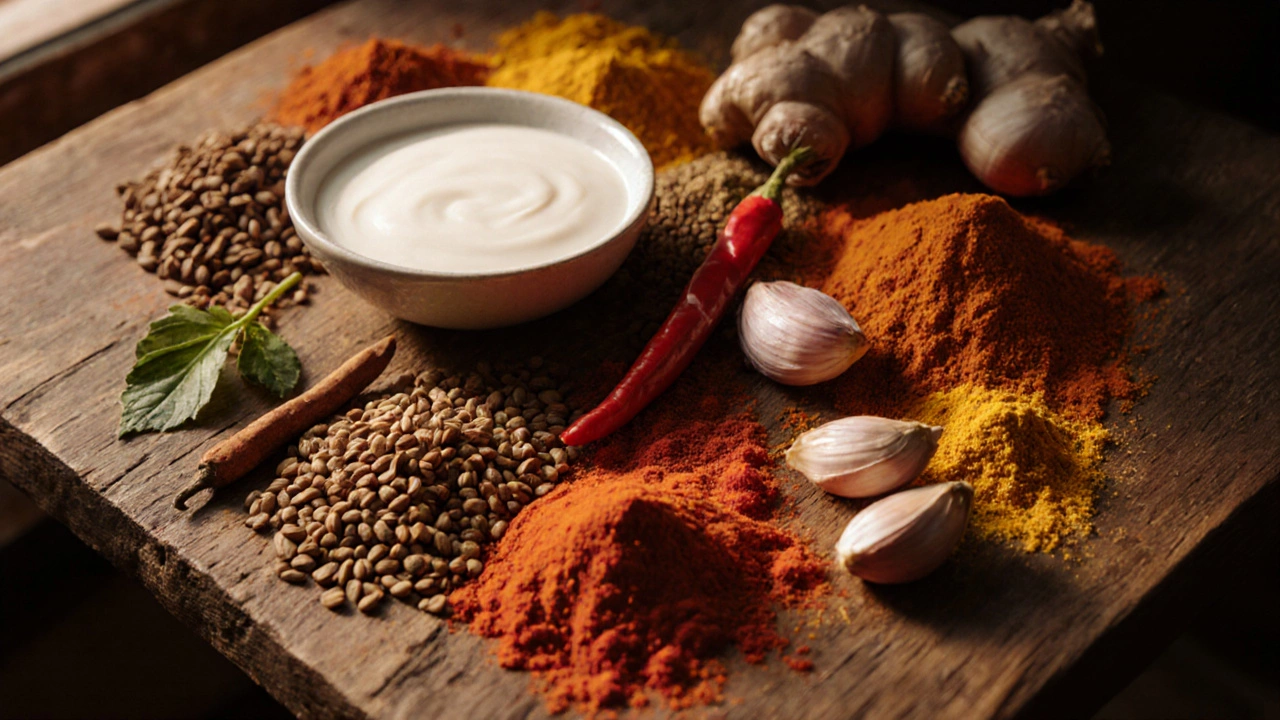
When you think of curry cooking tips, practical methods to build deep, layered flavors in Indian-style curries using spice blends, timing, and heat control. Also known as curry making techniques, it's not about following a rigid recipe—it's about understanding how spices wake up, how onions caramelize, and how milk or yogurt transforms heat into richness. Most people think curry is just chili powder and cumin, but that’s like saying soup is just water and salt. Real curry starts with the curry spice blend, a custom mix of whole and ground spices toasted to unlock their oils and aromas. Cumin, coriander, turmeric, and fenugreek don’t just add flavor—they react with oil and heat to create something new. If you skip toasting them, you’re missing half the soul of the dish.
The curry base, the foundation of flavor built from sautéed onions, garlic, ginger, and tomatoes that simmer until they melt into a thick, glossy paste is where most home cooks fail. They rush it. They dump in tomatoes too early. Or they use canned puree and wonder why it tastes flat. A proper base takes 15–20 minutes of slow cooking. The onions should turn golden brown, not just soft. The oil should separate from the mixture—that’s your signal it’s ready. That’s when you add the spices. If you don’t wait for that moment, your curry will taste raw, not rich.
Then there’s the Indian curry, a category of dishes that use slow-cooked spices, dairy or coconut, and protein or vegetables, varying by region from creamy North Indian gravies to tangy South Indian tamarind-based stews. It’s not one thing. A Punjabi butter chicken is nothing like a Kerala fish curry. One uses cream and cashew paste; the other uses tamarind and coconut milk. But they both rely on the same principle: layering flavor over time. You don’t throw everything in at once. You build it. First, the aromatics. Then the spices. Then the liquid. Then the protein. And finally, the finishers—garam masala, lemon juice, fresh cilantro. Each step matters.
And don’t forget the heat. Too high, and your spices burn. Too low, and they never bloom. Medium-low is the sweet spot. Stir constantly when adding dry spices. Let the oil shimmer, but don’t let it smoke. If you smell bitterness, you’ve gone too far. Start over. It’s better than serving a ruined curry.
You’ll find posts here that break down exactly how to fix common curry mistakes—like watery sauces, overly spicy blends, or bland chicken. One post shows why butter chicken is called the king of curries, and how its creamy texture comes from cashew paste, not cream. Another explains why adding yogurt too early can make your curry split. There’s even a guide on how to use milk in curry to soften heat and add body, something many don’t realize is a classic trick in Indian kitchens.
These aren’t fancy chef secrets. These are the quiet, repeated practices of Indian home cooks who’ve made curry every week for decades. You don’t need a tandoor. You don’t need imported spices. You just need to slow down, pay attention, and trust the process. The next time your curry tastes off, ask yourself: Did I toast the spices? Did I cook the base long enough? Did I wait for the oil to separate? If the answer’s no, you know where to start.
What’s the Tastiest Indian Curry? Easy Recipes & Tips
Find the tastiest Indian curry with easy recipes, pro cooking tips, side pairings, and a quick comparison of the top five curries for home cooks.
Read More