Chutney vs Relish: What’s the Real Difference?
When you think of chutney, a spicy, sweet, or tangy condiment from South Asia, often made with fruits, herbs, and spices and used to balance meals. Also known as chatni, it’s a staple in Indian homes, served with everything from samosas to biryani. Most people assume it’s just another word for relish, a chopped, pickled vegetable condiment common in Western kitchens, usually made with cucumbers, onions, or peppers and vinegar. But they’re not interchangeable. Chutney is about balance—sweet, sour, spicy, and sometimes smoky—all in one spoonful. Relish is about crunch and tang, with vinegar doing most of the heavy lifting.
The difference starts with ingredients. Traditional Indian chutney uses fresh herbs like cilantro, fruits like mango or tamarind, and spices like mustard seeds or dried chilies. It’s often ground or blended, sometimes cooked, sometimes raw. Think coconut chutney with dosa or mint chutney with pakoras. Relish, on the other hand, is mostly pickled vegetables—think corn relish or cucumber relish—slowly preserved in vinegar, sugar, and salt. It’s meant to last, not to be made fresh daily. Chutney is alive; relish is preserved. One brings brightness to a meal; the other adds bite.
Texture matters too. Chutney can be smooth like a sauce or coarse like a paste, depending on the region and recipe. In South India, you’ll find thin, pourable coconut chutney. In North India, thicker, chunkier tomato chutney sits beside parathas. Relish is almost always chunky, with visible bits of vegetable. You eat it to add texture, not to coat your food. And while chutney often includes dairy (like yogurt in raita-style versions) or nuts (like peanut chutney), relish rarely does. It’s a plant-based pickle, not a flavor enhancer built on milk or lentils.
Why does this matter? Because using the wrong one changes your dish. Pouring sweet mango chutney on a burger might work—but it’s not the same as adding dill relish. The flavor profile shifts entirely. If you’re making a traditional Indian meal, chutney isn’t just a side—it’s part of the balance. In a sandwich, relish is a crunchy accent. They serve different roles, even if they both come in jars.
You’ll find both in our collection, but not as generic condiments. We show you how to make authentic mango chutney with jaggery and cumin, how to fix a bitter coriander chutney, and why some relishes work better with chaat than others. We also explain why Indian households never store chutney for weeks—it’s meant to be fresh. And yes, we’ve got the real story behind why some people confuse the two, and how to tell them apart at first glance.
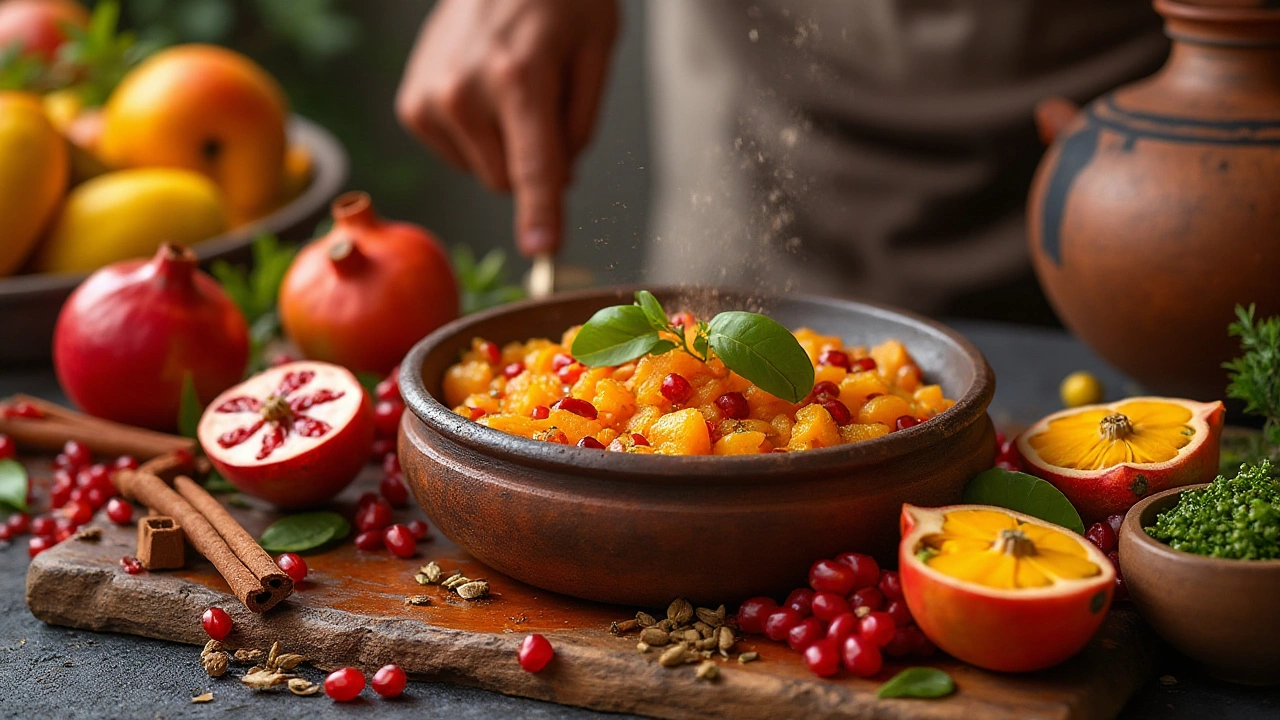
Understanding the Unique Flavors of Chutney vs Relish
Chutneys and relishes both serve as delightful condiments, enhancing meals with their unique flavors. Chutneys often possess a more complex flavor profile, derived from a blend of fruits, spices, and occasionally, a tangy kick. Relishes, however, are typically more straightforward, featuring chopped vegetables, often with vinegar or pickling spices. This article dives into the ingredients, preparation, and the cultural significance of each, helping culinary enthusiasts leverage their unique characteristics in recipes.
Read More