Chicken Curry: The King of Indian Curries and How to Get It Right
When people think of Indian food, one dish almost always comes to mind: chicken curry, a spiced, slow-cooked dish with tender chicken in a rich, flavorful sauce. Also known as chicken masala, it’s the dish that turns skeptics into fans and home cooks into legends. It’s not just a recipe—it’s a cultural touchstone, served in homes from Mumbai to Manipur, and loved from London to Los Angeles.
But here’s the thing: chicken curry isn’t one single thing. In India, every region makes it differently. Some use coconut milk, others yogurt. Some add tomatoes, others don’t. Some simmer for hours, others cook fast on a high flame. And then there’s butter chicken, a creamy, tomato-based curry with a velvety sauce and smoky tandoor flavor. Also known as murgh makhani, it’s often mistaken for chicken curry—but it’s actually a cousin, not the same dish. Butter chicken is rich, smooth, and mildly sweet. Chicken curry? It’s bolder, spicier, and more layered. One is a celebration; the other is everyday comfort.
And then there’s chicken tikka masala, a British-Indian favorite with grilled chicken in a thick, tomato-cream sauce. Also known as the world’s most popular Indian dish, it’s what many people outside India think of as "Indian curry." But if you ask a cook in Punjab or Kerala, they’ll tell you it’s not the real thing. It’s delicious? Absolutely. But it’s not traditional chicken curry. The real chicken curry is made with whole spices toasted in oil, garlic-ginger paste, onions caramelized just right, and a touch of turmeric that gives it that golden glow. It’s not about cream—it’s about depth.
What makes a good chicken curry?
It’s not about how many spices you throw in. It’s about balance. Too much garam masala? It burns. Not enough cumin? It tastes flat. The secret? Toast your spices slowly. Let the onions melt into the oil. Add tomatoes only after the oil separates. And never rush the simmer. A good chicken curry takes time—time for the flavors to hug the chicken, for the spices to sink in, for the sauce to thicken naturally. That’s why restaurant versions taste better: they cook it all day.
And yes, milk plays a role too. Not in the curry itself—but in the side dishes. Raita made with yogurt cools the heat. Kheer made with milk soothes the palate after a spicy bite. Even paneer, made from curdled milk, often shows up alongside chicken curry as a protein swap. Indian meals aren’t just about one dish—they’re about harmony.
Below, you’ll find real posts from real cooks who’ve cracked the code on chicken curry. Some fix the soggy texture. Others nail the spice blend. One even explains why butter chicken stole the throne. No fluff. No guesswork. Just what works.
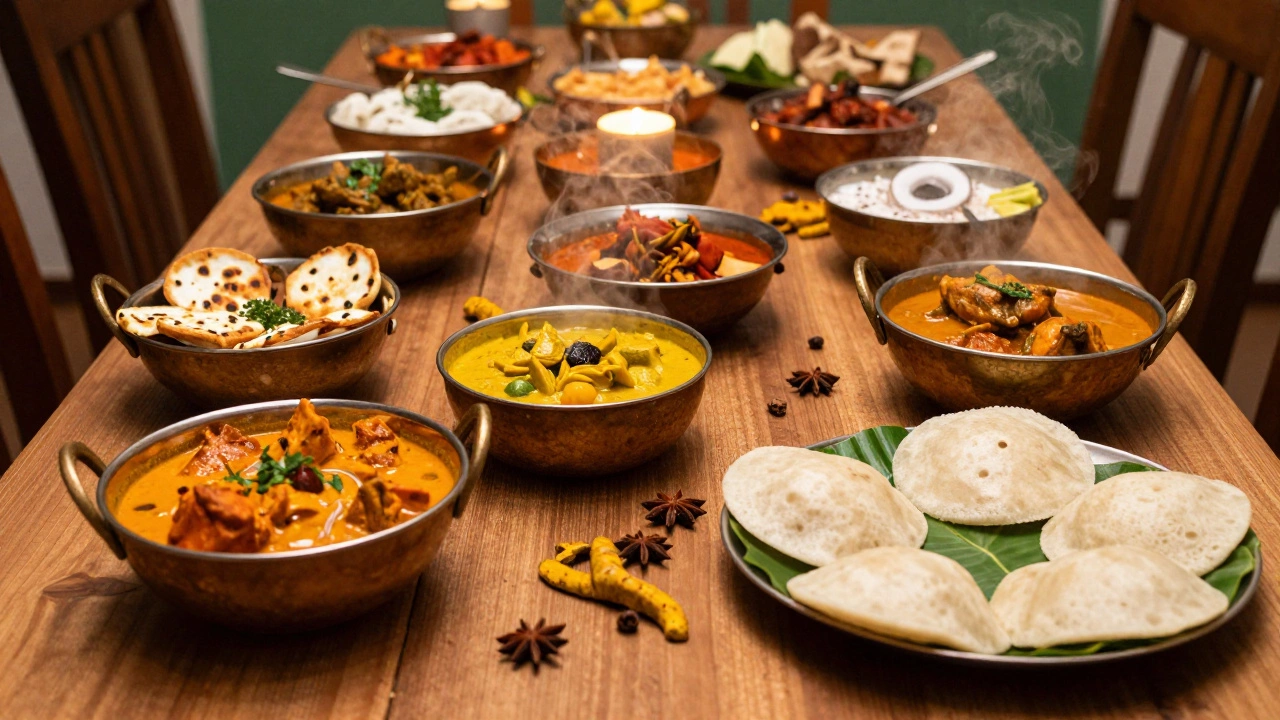
What Is the Best Indian Entree? A Guide to Perfect Main Dishes
Discover the top contenders for the best Indian entree, comparing iconic dishes like Butter Chicken and Dal Makhani. Learn how to match regional flavors to your palate.
Read More
Should You Use Tomatoes in Curry? The Tomato Dilemma in Chicken Curry Recipes
Wondering if tomatoes belong in chicken curry? This article tackles the great tomato debate, explaining how tomatoes affect the flavor, color, and texture of curry. You'll get handy tips on when to use fresh, canned, or even skip tomatoes, depending on the style of curry you want. You'll also find alternatives to tomatoes and get a sense of how regional recipes make curry taste so unique. Get ready to decide if tomatoes deserve a spot in your next chicken curry.
Read More
What Is Traditionally in Curry? Essential Ingredients for Chicken Curry Lovers
Curious about what makes a curry, well, curry? This article unpacks the typical ingredients that show up in traditional chicken curry recipes. You'll learn which spices and veggies are almost always in the mix and discover tips for nailing flavor at home. Perfect if you love chicken curry or are just starting to cook it. We'll keep things simple, practical, and totally un-fussy—no need for a kitchen full of hard-to-find stuff.
Read More
Red or White Onions: Which Is Best for Chicken Curry?
Not sure whether to grab red or white onions for your chicken curry? This article breaks down how each kind affects the taste, color, and texture of your curry. Get tips on how Indian cooks actually use onions in their home kitchens, and learn small tricks that could make your next curry even better. Find out when it’s worth swapping one type for another and which mistakes to avoid if you want the real deal. If you've been curious about the science behind those golden-brown onions, you’re in the right place.
Read More
What's the Smelly Spice in Indian Chicken Curry?
Chicken curry is a favorite dish for many, but what's that unique, strong smell that stands out? Often, it's asafoetida, a spice not only known for its pungent aroma but also its ability to enhance flavors. This article explores the role of asafoetida in Indian cuisine, especially in chicken curry, and offers tips on how to balance its distinct scent with the rich, savory flavors of the dish.
Read More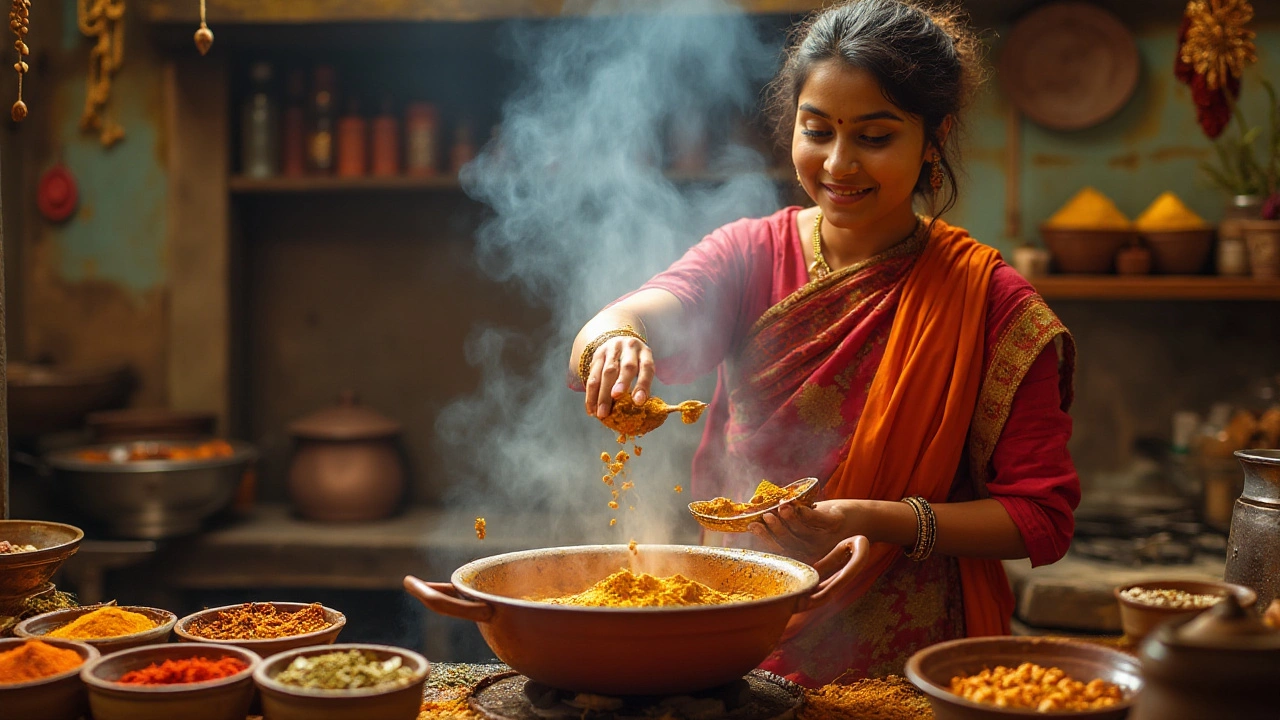
The Secret Ingredients for Flavorful Chicken Curry
While chicken curry is a beloved dish worldwide, the secret to making it truly unforgettable lies in enhancing its flavor profile. Learn how various spices, cooking techniques, and ingredients can elevate this classic dish. Discover how aromatic spices and unique blends create a depth of flavor that tantalizes the taste buds. This guide provides insights into achieving the perfect balance of ingredients in your chicken curry. Serve up a pot of curry that is rich, flavorful, and satisfying with these expert tips.
Read More