Chaat: India's Bold Street Snacks and How to Make Them Right
When you think of chaat, a category of savory, tangy, and spicy Indian street snacks known for their bold flavors and textural contrast. Also known as Indian street food snacks, it’s not just food—it’s an experience. From the crisp crunch of a samosa filled with spiced potatoes to the explosive burst of pani puri filled with tangy water and chickpeas, chaat is where flavor meets fun. These snacks rely on a balance of sweet, sour, spicy, and salty—often layered with yogurt, chutneys, and sev—to create something that feels both comforting and thrilling.
What makes chaat work isn’t just the ingredients—it’s the technique. A good samosa needs dough that’s thin enough to crisp but sturdy enough to hold its filling. Pani puri water must be chilled and perfectly balanced—too sweet and it’s boring, too sour and it’s punishing. The masala isn’t just a spice mix—it’s the soul of the dish. Whether it’s roasted cumin, amchur powder, or black salt, each component has a job. And while you might think chaat is just for street stalls, the best versions start at home—with fresh ingredients, patience, and a little courage to get the spice right.
You’ll find here real, tested advice on fixing soggy bhel puri, making chutneys that don’t taste flat, and choosing the right sev so it stays crunchy till the last bite. No fluff. No guesses. Just what works—because chaat doesn’t forgive mistakes. Whether you’re making it for friends, trying to recreate that roadside stall flavor, or just curious why your pani puri keeps falling apart, the posts below give you the exact fixes, ratios, and tricks used by home cooks and vendors across India. This isn’t about fancy tools or hard-to-find ingredients. It’s about getting the basics right so your chaat tastes like it came from the busiest corner in Delhi or Mumbai.
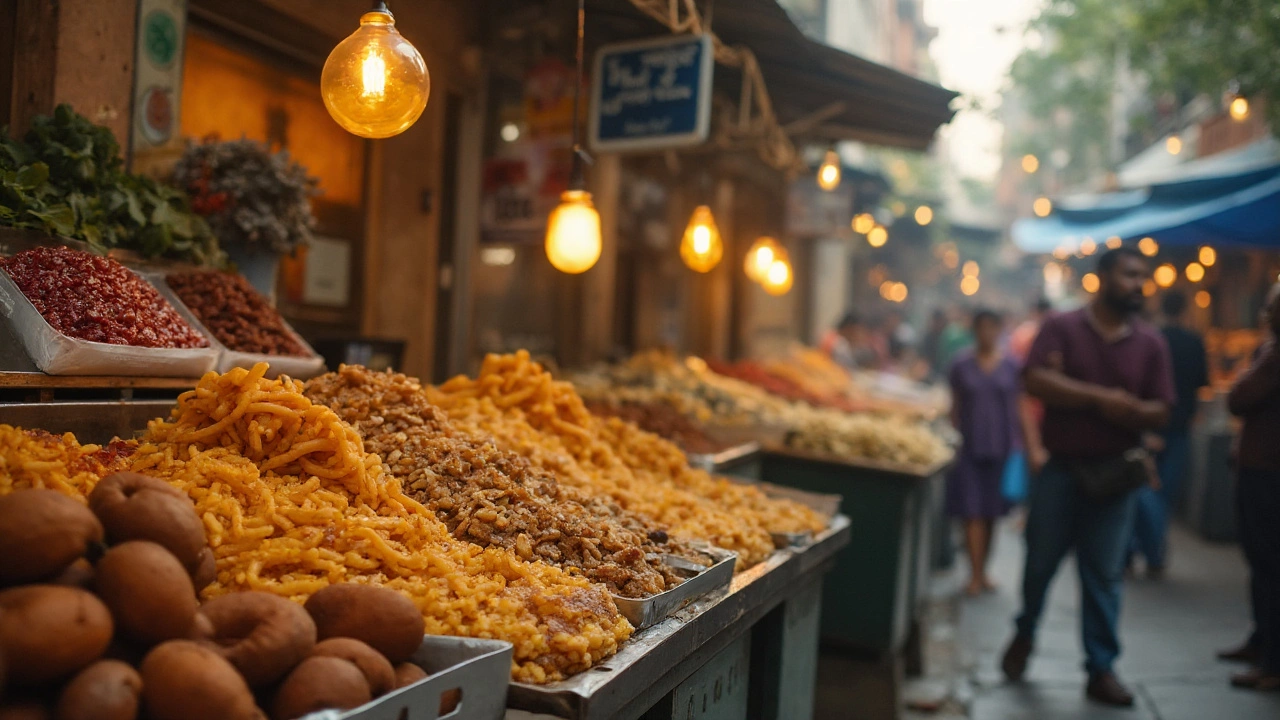
What Is the Famous Junk Food in India? Iconic Street Snacks You Should Know
What counts as the most famous junk food in India? Get a clear answer, regional favorites, how to order safely, and lighter swaps for guilt-free snacking.
Read More