Carrot and Jainism: How Dietary Rules Shape Indian Cooking
When you think of carrot and Jainism, a dietary practice rooted in non-violence that avoids root vegetables to prevent harm to microscopic life in the soil. Also known as Jain vegetarianism, it’s not just about what’s left off the plate—it’s about how food is grown, harvested, and prepared with deep respect for all living things. This isn’t a trend. It’s a 2,500-year-old tradition that still guides millions of households across India, especially in Gujarat and Rajasthan. If you’ve ever wondered why some Indian recipes skip garlic, onions, or potatoes, the answer often starts here.
At the heart of Jain dietary rules is the idea of ahimsa, non-violence toward all living beings, including plants and microorganisms. That’s why root vegetables like carrots, potatoes, radishes, and ginger are avoided—not because they’re unhealthy, but because pulling them from the ground kills the entire plant and the tiny organisms living in the soil around it. Instead, Jains rely on above-ground produce: tomatoes, spinach, bottle gourd, and yes—milk. Milk is central because it’s collected without harming the cow, and it’s used to make paneer, kheer, and other sweets that satisfy both nutrition and tradition. This isn’t a limitation—it’s a creative constraint that led to some of India’s most flavorful, milk-rich dishes.
What does this mean for your cooking? If you’re trying to make a Jain-friendly version of a classic dish, you’ll need to swap out garlic and onions for asafoetida (hing), and avoid any root veggies. But you won’t miss a thing. Many Jain recipes use milk, yogurt, and lentils to build depth and creaminess. Think of dal made with turmeric and cumin, served with soft roti and a side of mango chutney. Or paneer cooked in a tomato-based sauce with cashew paste instead of garlic. These aren’t compromises—they’re innovations born from discipline. And if you’ve ever wondered why Indian desserts like kheer or rabri are so rich, it’s partly because milk became the go-to ingredient when other flavor builders were off-limits.
You’ll find plenty of posts below that touch on these ideas—not directly about Jainism, but about the ingredients and methods that align with it. From how to make paneer from milk to why dosa batter ferments naturally, the recipes here respect the same principles: clean, mindful, and rooted in tradition. Whether you’re Jain, curious, or just looking for dairy-heavy, onion-free meals, what follows is a collection built on real kitchen wisdom—not guesswork.
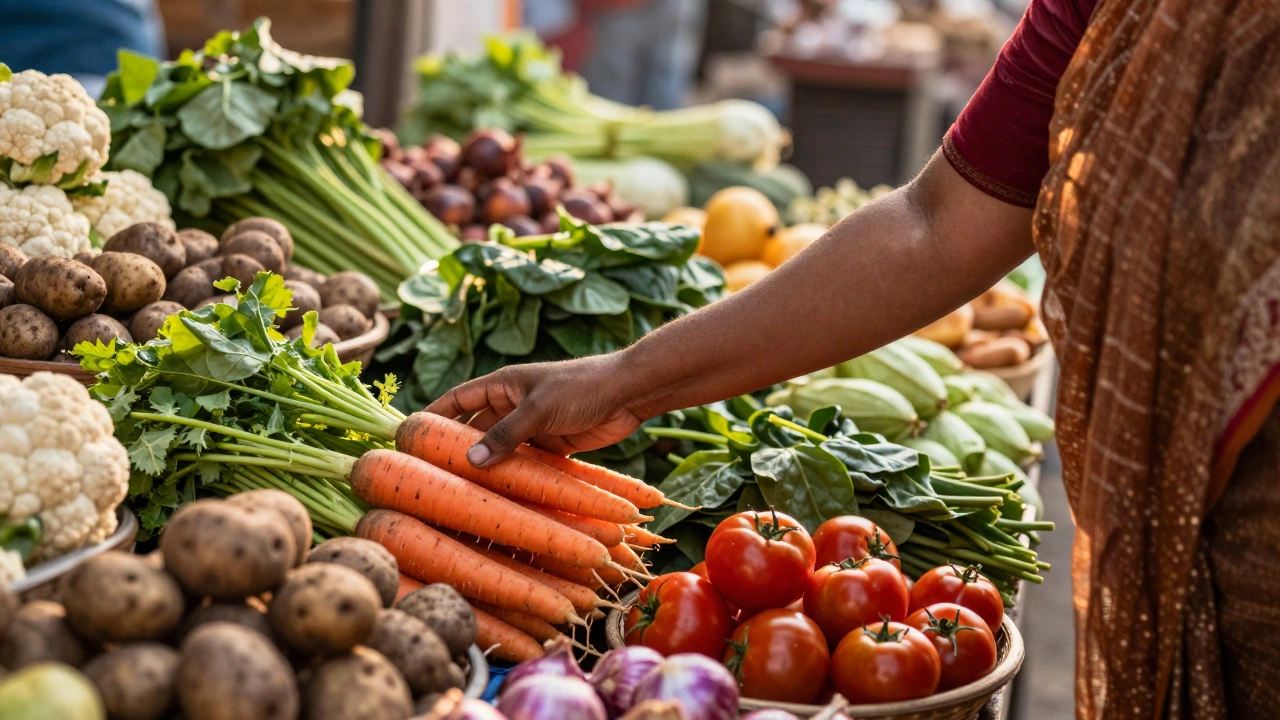
Why Jains don't eat carrot? Understanding Jain dietary restrictions and root vegetables
Jains avoid carrots and other root vegetables due to their belief in non-violence toward all living beings. This practice stems from spiritual principles, not diet trends, and reflects a deep commitment to minimizing harm in everyday life.
Read More