Biryani Spices: Essential Flavors and How to Use Them
When you think of biryani spices, the complex blend of aromatic seasonings that give biryani its deep, layered flavor. Also known as biryani masala, it's not just a mix—it's the soul of the dish. These aren’t random spices tossed in. They’re chosen, toasted, ground, and layered with purpose. Every grain of rice, every piece of meat, absorbs their warmth. Without the right spices, biryani is just rice and meat. With them, it becomes something that lingers in memory.
The core trio—cinnamon, cardamom, and cloves—forms the backbone. Cinnamon adds sweet warmth, cardamom brings floral depth, and cloves give that sharp, almost medicinal punch that balances everything. Then there’s cumin and coriander, earthy and nutty, grounding the blend. Bay leaves and star anise drift through the steam, while saffron doesn’t just color the rice—it perfumes the whole pot. These aren’t just ingredients. They’re tools. Each one controls a different note: heat, sweetness, aroma, or color. Skip one, and the whole harmony shifts.
And don’t forget the heat. Green chilies, black pepper, and sometimes dried red chilies—each brings its own kind of fire. Some use fennel for sweetness, nutmeg for richness, mace for subtle complexity. The best biryani spices aren’t bought in a pre-mixed packet. They’re toasted fresh, ground just before use, and layered in stages. The first wave goes in with the meat. The second with the rice. The third? A sprinkle of saffron-infused milk at the top, sealed under dough for dum cooking. That’s how the flavor locks in.
People think biryani is hard because of the layers. But the real trick? Getting the spices right. Too little, and it’s bland. Too much, and it’s overwhelming. It’s not about quantity. It’s about balance. That’s why the best biryani recipes don’t just list spices—they explain when and why each one is added. You’ll find that in the posts below. Some show you how to fix a spice-heavy biryani. Others break down regional differences—Hyderabadi vs. Lucknowi, the role of rose water, why Kashmiri biryani uses less heat. You’ll learn what to do if your biryani tastes flat, why store-bought masala often fails, and how to make your own blend from scratch with what’s in your pantry. This isn’t theory. It’s practice. And every post here is a step closer to making biryani that tastes like it came from a kitchen that’s been doing this for generations.
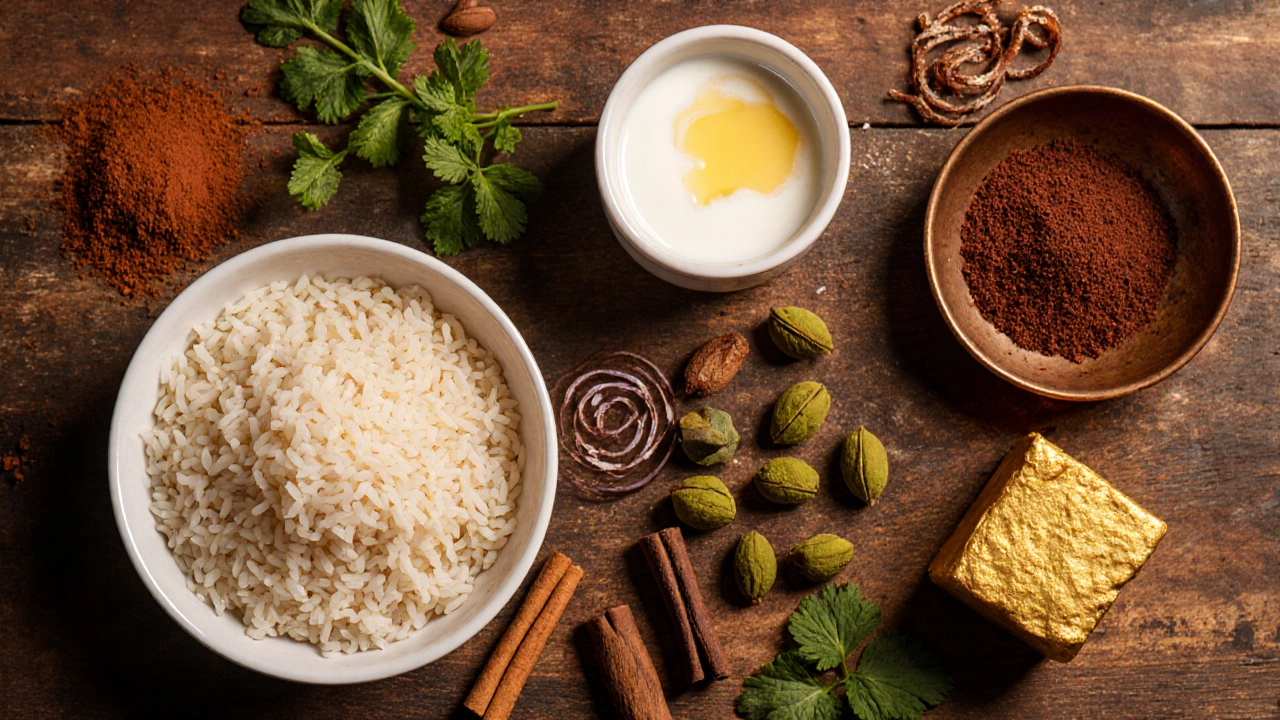
What Gives Biryani Its Signature Taste?
Discover the key ingredients and cooking tricks that give biryani its unforgettable flavor, from aromatic spices to the dum technique.
Read More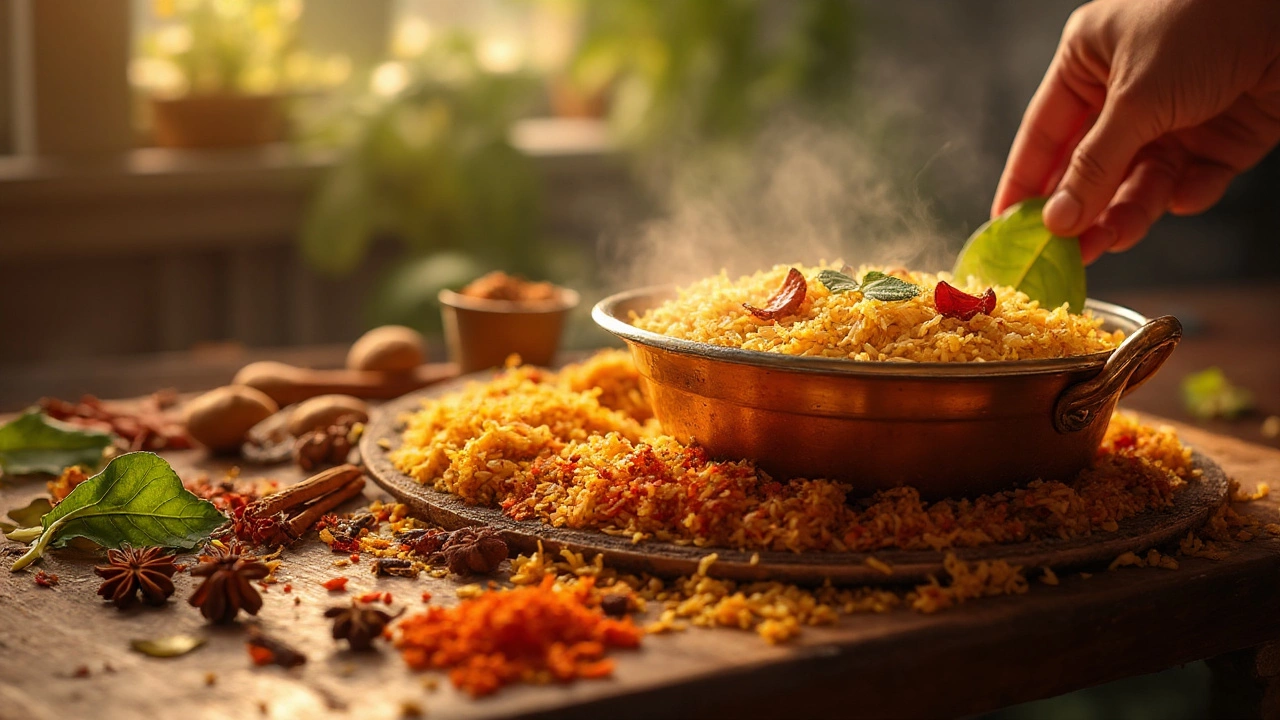
What Are the Black Things in Biryani? Spices That Make Your Biryani Pop
Ever wondered what those black things are in your biryani? Dive into this detailed guide on whole spices, their flavor, health perks, and pro tips for the perfect plate.
Read More