Biryani Mistakes: Common Errors and How to Fix Them
When you make biryani, a layered rice dish from India with spiced meat, herbs, and saffron. Also known as biryani rice, it's a dish that rewards patience and precision—not guesswork. Too many people think biryani is hard because they’ve been burned by dry rice, soggy meat, or spices that taste like dust. The truth? Most failures come from repeating the same small mistakes, over and over.
The biggest biryani mistakes aren’t about fancy ingredients. They’re about timing, heat, and respect for the layers. If your rice is crunchy in the middle or mushy on top, you didn’t par-cook it right. If the meat tastes bland, you skipped browning it first or used too little spice. If the saffron flavor is lost, you soaked it in cold water instead of warm milk. These aren’t opinions—they’re facts from decades of home cooking across India, from Hyderabad to Lucknow. Even the way you layer the rice and meat matters. Stack it wrong, and steam won’t circulate. The result? Uneven cooking and a dish that smells good but tastes flat.
Another common error? Using the wrong rice. Basmati is non-negotiable. Short-grain or jasmine rice will turn your biryani into glue. And don’t soak it for hours—15 minutes is enough. Over-soaking washes out flavor. Also, many people add too much turmeric to make it yellow. That’s not authentic. The color should come from saffron, not a spoonful of powder. And while you’re at it, skip the pre-made biryani masala packets. They’re full of fillers. Real flavor comes from toasting whole spices like cardamom, cloves, and cinnamon yourself, then grinding them fresh.
Then there’s the lid. Never lift it while it’s cooking. Every time you do, you let out steam, and that steam is what makes the rice fluffy and the meat tender. Seal the pot with dough or a tight-fitting lid, then cook low and slow. This step is called dum cooking, a slow-steaming technique where food cooks in its own steam inside a sealed pot. Skip it, and you’re just making rice with meat on top. Not biryani.
And don’t forget the raita. That white yogurt side isn’t just for show. It cuts through the richness, cools the spice, and balances the whole meal. If you’re skipping it, you’re missing half the experience. Same with fried onions—they add crunch and sweetness you can’t fake with store-bought garnishes.
What you’ll find in the posts below aren’t just recipes. They’re fixes. Real, tested solutions from people who’ve burned, overcooked, and ruined biryani—then got it right. You’ll learn how to fix soggy rice, how much spice to use without overwhelming the dish, why some cooks use yogurt in the marinade, and how to make biryani that tastes like it came from a street stall in Mumbai or a family kitchen in Delhi. No fluff. No fancy tools. Just what works.
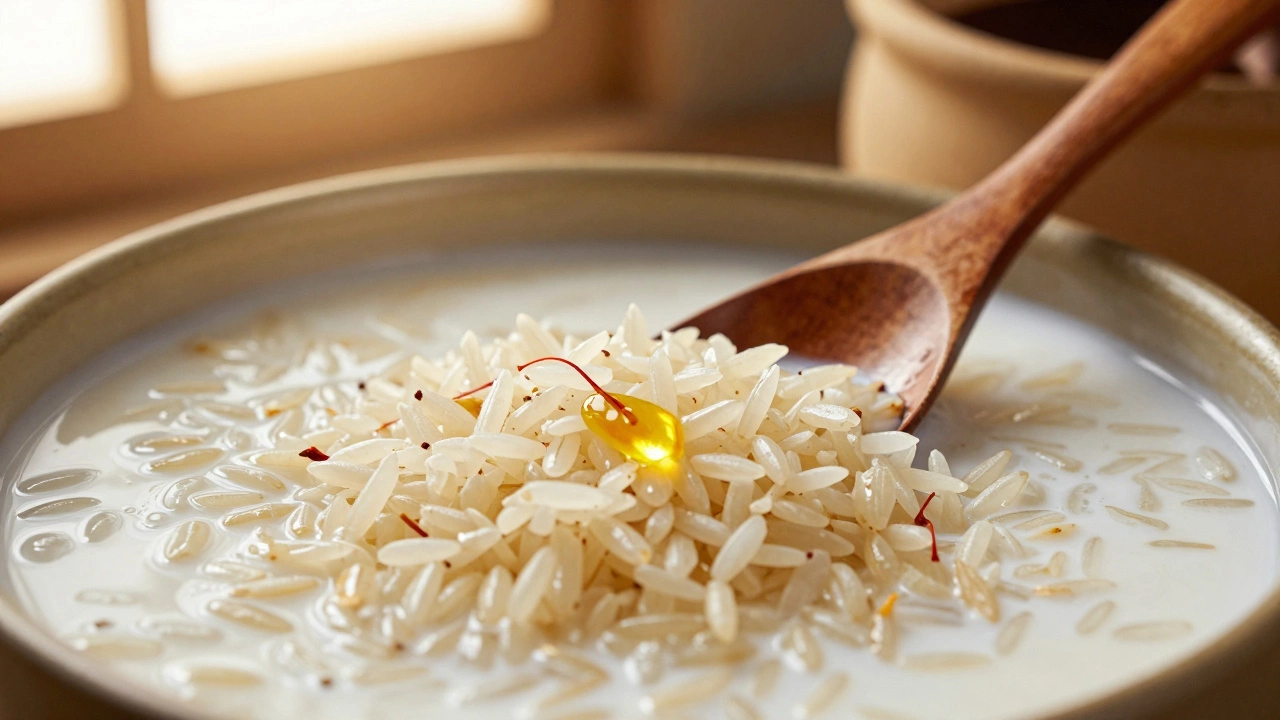
What Are the Mistakes While Making Biryani? Common Errors and How to Fix Them
Avoid these common biryani mistakes - wrong rice, overcooked grains, skipping dum cooking, and poor layering - to make restaurant-quality biryani at home every time.
Read More