Best Indian Curry: Discover the Top Recipes and Secrets Behind India's Favorite Dishes
When people ask for the best Indian curry, a rich, spiced stew typically made with meat, vegetables, or paneer in a sauce of tomatoes, yogurt, or cream. Also known as Indian curry, it’s the dish that turns first-time eaters into lifelong fans. It’s not just about heat—it’s about balance. The magic happens when spices like cumin, coriander, and turmeric bloom in oil, then marry with slow-cooked tomatoes, creamy coconut or yogurt, and tender protein. This isn’t a single recipe. It’s a family of dishes, each region telling its own story through spice, texture, and technique.
At the top of that family? Butter chicken, a creamy, mildly spiced tomato-based curry with tender tandoori chicken, originally from Delhi. It’s the king of all curries—not because it’s the spiciest, but because it’s the most approachable. Its smooth sauce, kissed with butter and cream, makes it a global favorite, from London to Los Angeles. Then there’s chicken tikka masala, a British-born cousin often mistaken for traditional Indian food, but now beloved worldwide for its rich, orange-hued gravy. Both rely on the same foundation: slow-simmered tomatoes, aromatic spices, and a touch of dairy to soften the heat. And while you’ll find versions with lamb, goat, or even paneer, the real secret isn’t the protein—it’s the layering. Many home cooks skip the step of browning the meat first or adding the cream too early. That’s why their curry tastes flat. The best curries build flavor in stages: spices toasted, onions caramelized, tomatoes reduced, then dairy added at the end to preserve richness.
What makes a curry truly great isn’t just the ingredients—it’s the patience. Fermented yogurt adds tang, slow cooking deepens the sauce, and letting it rest overnight lets the spices settle into the meat. You won’t find that in a 20-minute recipe. The posts below cover exactly this: how to fix a watery curry, why butter chicken tastes better at restaurants, what acid works best for paneer-based curries, and how to pair your curry with the right rice or roti. You’ll also learn why some curries are served with raita, how to avoid overcooking chicken, and which spices make the biggest difference. Whether you’re making your first curry or trying to perfect your grandmother’s recipe, these guides give you the real, no-fluff truths behind what makes Indian curries unforgettable.
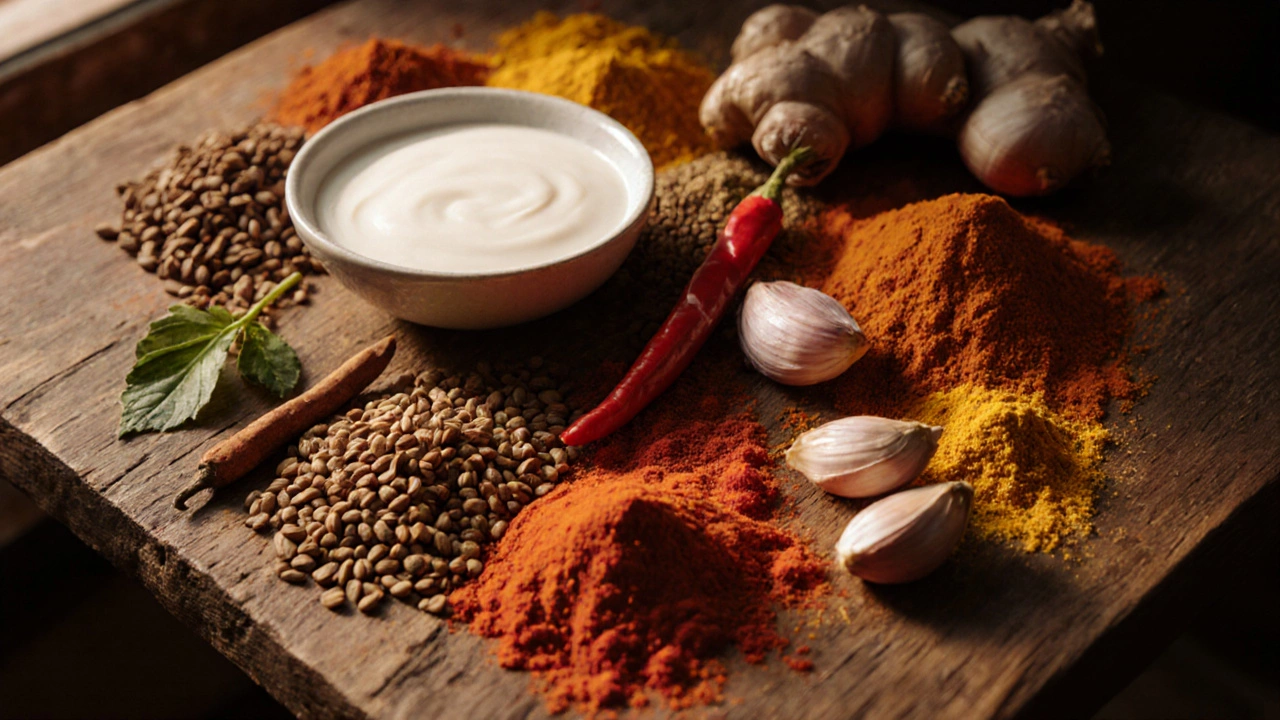
What’s the Tastiest Indian Curry? Easy Recipes & Tips
Find the tastiest Indian curry with easy recipes, pro cooking tips, side pairings, and a quick comparison of the top five curries for home cooks.
Read More