Best Acid for Paneer: What Works, What Doesn't, and Why It Matters
When you're making paneer, a fresh, non-melting Indian cheese made by curdling milk with acid. Also known as Indian cottage cheese, it's the base for dozens of favorite dishes—from paneer tikka to palak paneer. But the secret to great paneer isn't just the milk—it's the acid, the substance that causes milk proteins to separate into curds and whey. Not all acids are created equal. Lemon juice, vinegar, yogurt, buttermilk, citric acid—they all work, but they don't all give you the same result.
The best acid for paneer depends on what you want: texture, yield, flavor, or speed. Lemon juice is the most common choice in Indian homes. It’s natural, easy to find, and gives paneer a slight tang that pairs well with spices. But it can leave a faint citrus taste and doesn’t always give you the highest yield. White vinegar, especially distilled, is stronger and more predictable. It curdles milk faster and leaves behind a cleaner, blander curd—perfect if you’re planning to fry or grill the paneer. Citric acid, the kind used in cheese-making, gives you the highest yield and the firmest texture, but it’s not something most people keep in their kitchen. Then there’s yogurt or buttermilk. They’re gentler, slower, and create a softer, creamier paneer. Great for desserts like rasgulla, but not ideal if you need firm cubes for curry.
What you avoid matters too. Don’t use apple cider vinegar—it’s too flavorful and can turn the paneer gray. Don’t rely on spoiled milk unless you’re certain it’s only slightly sour from natural fermentation. And never use baking soda or salt to curdle milk—that’s not how paneer works. The science is simple: acid lowers the pH of milk, causing casein proteins to clump. The right acid does this cleanly, without introducing off-flavors or wasting milk. If you’re trying to stretch your milk further, citric acid wins. If you want authentic flavor and don’t mind a little extra effort, lemon juice is your friend. And if you’re making paneer from broken milk, milk that’s naturally soured and starting to separate, you’re already halfway there—just heat it gently and strain.
Most of the recipes you’ll find here show you how to turn milk into paneer, but they don’t always tell you why one acid beats another. You’ll see posts that explain how much paneer you get from a gallon of milk, how to fix paneer that’s too crumbly, and how to safely use milk that’s gone slightly sour. You’ll learn why fermentation and acidity affect texture, and why some people swear by yogurt while others only use vinegar. This isn’t about following a recipe blindly. It’s about understanding what’s happening in your pot so you can adjust, improve, and make paneer that’s better every time.
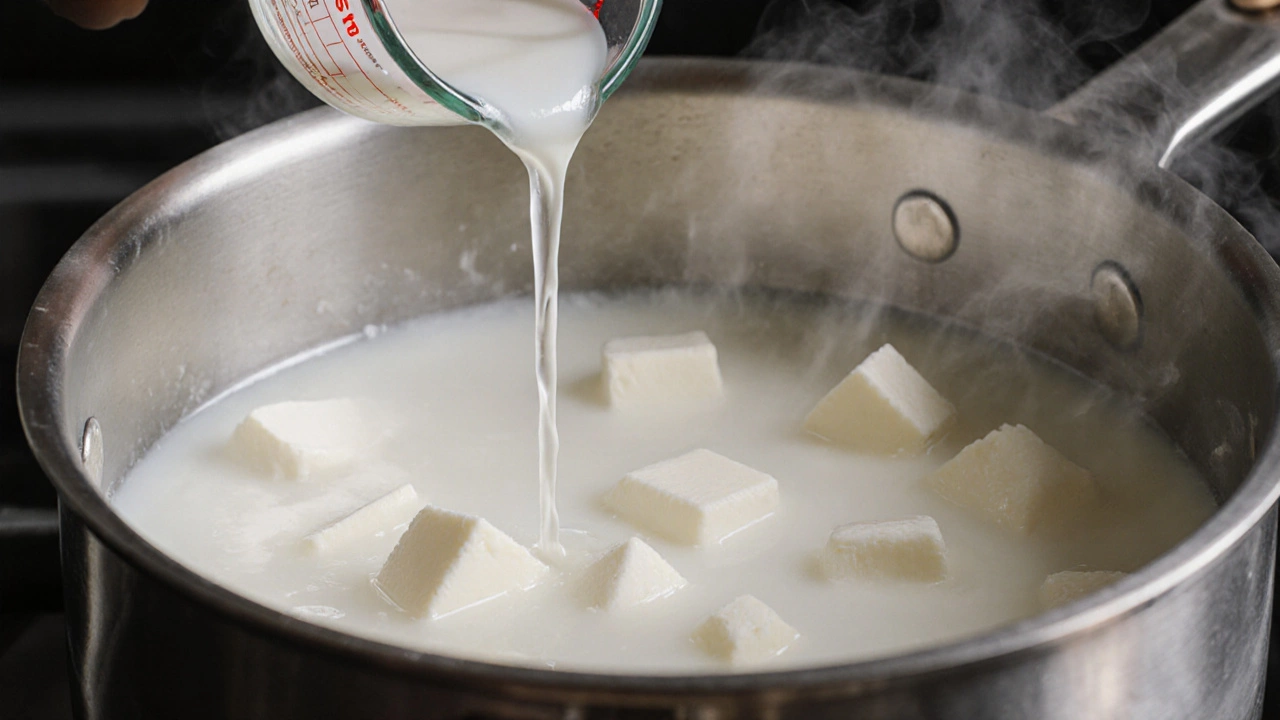
Best Acid for Making Paneer at Home
Find out which acid-lemon juice, vinegar, or citric acid-gives you the best homemade paneer with firm texture, no off-flavors, and perfect results every time.
Read More