Avoid Spices Garam Masala: When to Skip This Indian Spice Blend
When you avoid garam masala, you’re not rejecting Indian flavor—you’re honoring tradition. Garam masala is a warm, complex blend of cinnamon, cardamom, cloves, and black pepper, but not every Indian dish needs it. In fact, many regional recipes, especially from South India and Jain households, skip it entirely to let the natural taste of ingredients shine. This isn’t a mistake. It’s a choice rooted in texture, timing, and cultural practice.
Some dishes, like dosa batter, a fermented rice and lentil batter used for crispy South Indian crepes, rely on natural sourness from fermentation, not spice blends. Adding garam masala here would overpower the delicate tang. Similarly, paneer, a fresh Indian cheese made by curdling milk with lemon juice or vinegar in simple preparations like paneer tikka or saag paneer, often uses minimal spices to highlight its creamy texture. Even in biryani, a layered rice dish with meat or vegetables, some cooks leave out garam masala until the final dum cooking stage—or skip it altogether to avoid bitterness from overcooking.
Why does this matter? Because garam masala isn’t a universal seasoning. It’s a finishing touch, not a base. In Jain cuisine, where root vegetables and strong spices are avoided for spiritual reasons, dishes like khichdi or dal are seasoned with asafoetida, cumin, and turmeric instead. In coastal Karnataka, coconut-based curries use roasted coconut and curry leaves, not garam masala. Even in home kitchens across Uttar Pradesh, some families add garam masala only at the end of cooking, never during frying. Skipping it isn’t ignorance—it’s precision.
If you’ve ever made a dish that tasted flat or overly spicy after adding garam masala too early, you’re not alone. The heat and oils in the blend can turn bitter when fried too long. That’s why many recipes call for it at the very end, or not at all. Instead of defaulting to the spice rack, ask: Does this dish need warmth, or does it need clarity? For delicate milk-based desserts like kheer, a creamy rice pudding made with milk, sugar, and cardamom, garam masala would clash. But a single crushed green cardamom pod? Perfect.
What you’ll find in the posts below are real cooking moments where skipping garam masala made all the difference. From biryani that tasted better without it, to dosa batter that fermented just right without spice interference, these aren’t rules—they’re lessons from kitchens that know flavor isn’t about quantity, but timing and respect for ingredients.
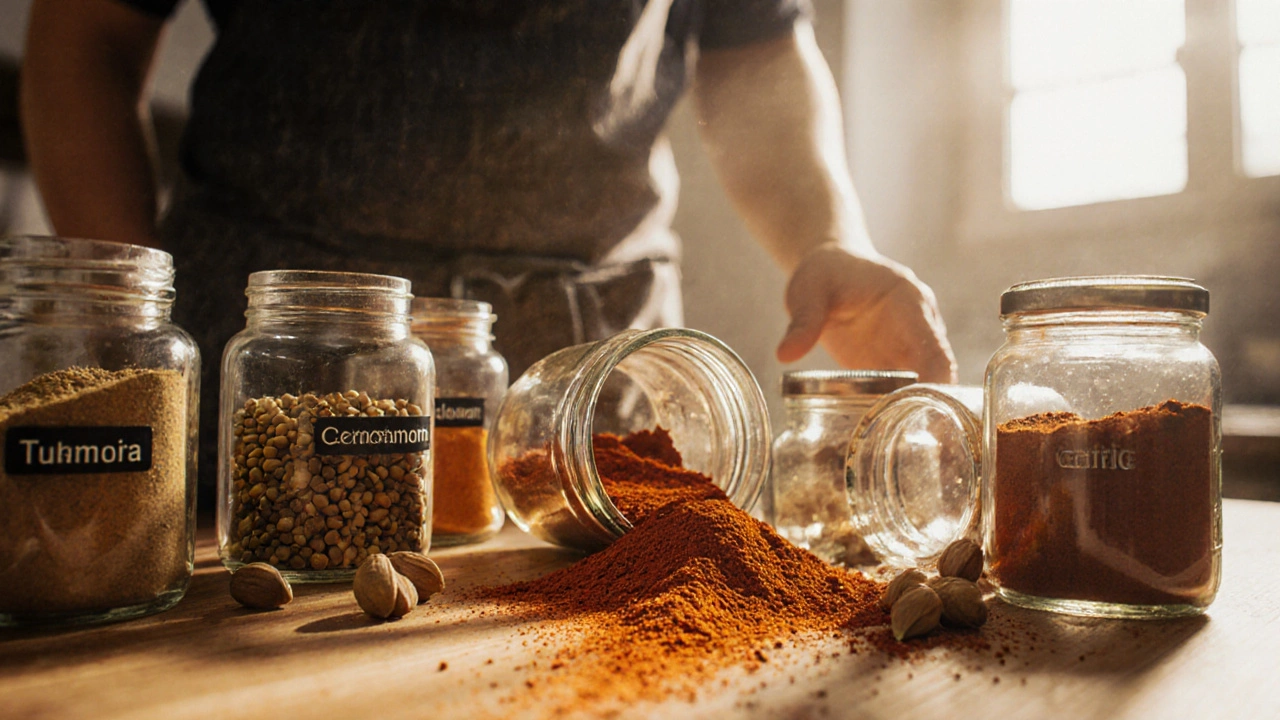
Spices That Never Belong in Garam Masala - What to Avoid
Find out which spices never belong in traditional garam masala, why they're excluded, and get a handy checklist to keep your blend authentic.
Read More