Roti vs Chapati Health Calculator
Calculate the nutritional impact of your flatbread based on preparation method and flour type.
Nutritional Breakdown
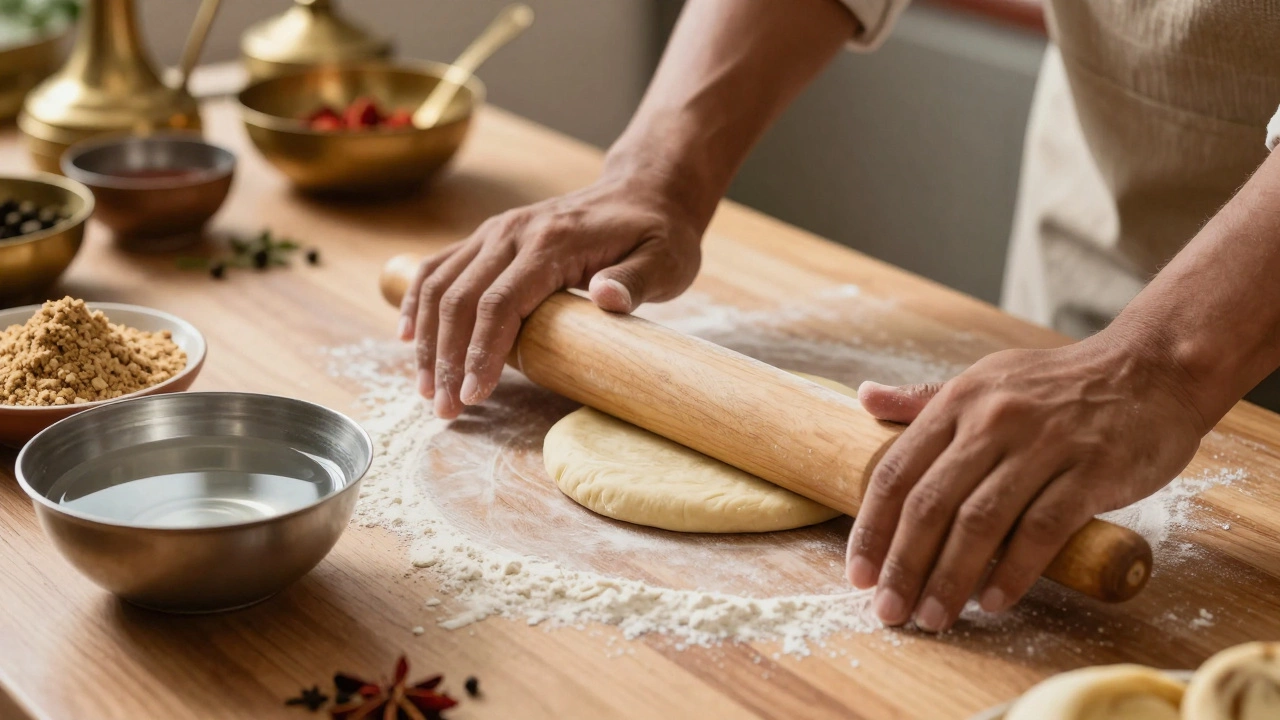
Walk into any Indian kitchen in Bristol or Mumbai, and you’ll hear the same question whispered over a rolling pin: "Is this a roti or a chapati?" For decades, we’ve been told they are different things. We’ve been sold on the idea that one is healthier than the other because of some secret ingredient or ancient technique. But here is the truth that most food blogs won’t tell you: roti and chapati are essentially the same thing.
If you are trying to eat cleaner, lose weight, or manage blood sugar levels, confusing these two terms might be holding you back. You aren't choosing between two different foods; you are choosing between regional names for the exact same flatbread. However, there are nuances in how they are made, what flour is used, and how they fit into your daily diet that actually matter for your health.
The Great Naming Confusion: Are They Different?
Let’s clear the air immediately. In North India, Pakistan, and Bangladesh, people say "roti." In South India, Nepal, and parts of East Africa, they say "chapati." Linguistically, "roti" is a generic term for cooked grain products (like rice or bread), while "chapati" comes from the Hindi word "chhapat," meaning flat.
So, when someone asks which is healthier, it’s like asking if a tomato is healthier than a tomato. If both are made with the same ingredients, the calorie count, fiber content, and glycemic index remain identical. The confusion arises because many restaurants and packaged food brands label their products differently to imply variety. A "butter roti" might just be a chapati with extra ghee added after cooking. The base product is usually 100% whole wheat flour (atta) and water.
| Nutrient | Per 1 Medium Piece (approx. 30g) |
|---|---|
| Calories | 70-80 kcal |
| Carbohydrates | 12-14g |
| Fiber | 2-3g |
| Protein | 2-3g |
| Fat | 0-1g (if no oil/ghee added) |
This table applies to both roti and chapati when made traditionally without added fats during the kneading process. The key takeaway? There is no nutritional advantage to one name over the other unless the recipe changes.
Why Whole Wheat Atta Matters More Than the Name
The real health battle isn’t between roti and chapati. It’s between whole wheat atta and refined maida (white flour). Many commercial "rotis" found in tiffin services or fast-food chains use maida or a mix of maida and wheat to make the dough softer and easier to roll. Maida has a high glycemic index, meaning it spikes your blood sugar quickly and leaves you hungry an hour later.
Whole Wheat Atta is flour made from grinding the entire wheat kernel, including the bran, germ, and endosperm. This retains the fiber, vitamins, and minerals that are stripped away in white flour. When you buy atta, check the label. If it says "refined wheat" or doesn't list "whole wheat" as the first ingredient, you’re not getting the health benefits associated with traditional roti.
In my own kitchen in Bristol, I’ve noticed a huge difference in energy levels depending on the flour brand. Some UK-sourced attas are finely milled to the point where they behave like white flour. Look for coarser grinds. The texture should feel slightly gritty between your fingers. That grit is fiber, and it’s doing the heavy lifting for your digestion.
Hidden Calories: The Oil and Ghee Trap
Here is where the "healthiness" of roti versus chapati can diverge significantly, but it has nothing to do with the name. It has everything to do with preparation. Traditional chapati is cooked on a dry tawa (griddle) and puffed up over an open flame. No oil is used. Roti, however, is sometimes brushed with ghee or oil before or after cooking, especially in festive dishes or restaurant servings.
- Dry Cooked: ~75 calories per piece. High satiety due to fiber.
- Brushed with Ghee (1 tsp): Adds ~45 calories and 5g of fat.
- Deep Fried (Paratha style): Can exceed 200 calories per piece.
If you are counting calories or managing cholesterol, stick to the dry-cooked method. Brushing a thin layer of ghee adds flavor and helps absorb fat-soluble vitamins (A, D, E, K) from the vegetables you eat with it, but don’t let it become a habit of drenching every piece. A little goes a long way.
Glycemic Index and Blood Sugar Control
For those with diabetes or insulin resistance, roti/chapati is generally a better choice than white bread or rice, but it’s not a free pass. The glycemic index (GI) of whole wheat roti is around 55-60, which is considered low to medium. White bread sits at 70+, and white rice can be even higher.
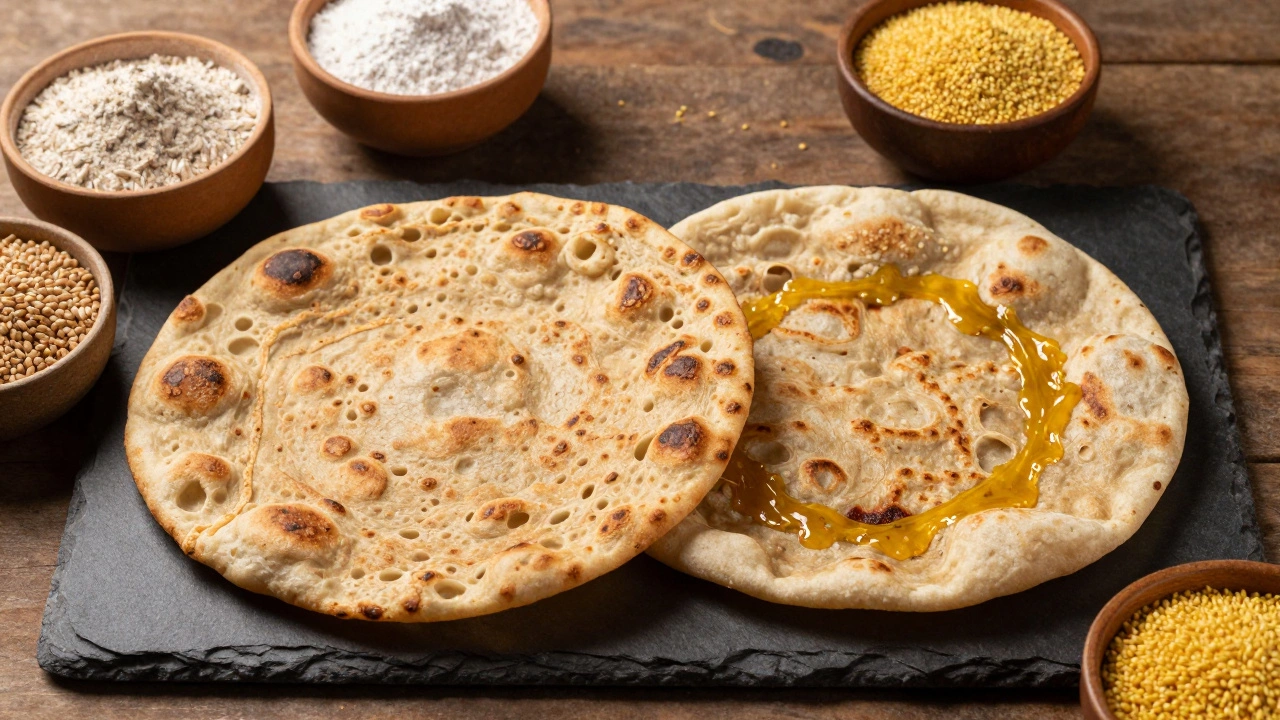
To lower the GI further, consider mixing your wheat flour with other grains. This is a common practice in rural India and is gaining traction globally. Adding barley (jau), oats, or ragi (finger millet) to your dough increases the fiber content and slows down glucose absorption. A roti made with 50% wheat and 50% barley will have a significantly lower impact on your blood sugar than 100% wheat.
Gluten Sensitivity and Alternatives
Wheat contains gluten. If you have celiac disease or non-celiac gluten sensitivity, neither standard roti nor chapati is safe for you. However, the concept of the flatbread is universal. You can make "rotis" using gluten-free flours like:
- Rice Flour + Chickpea Flour (Besan): Creates a sturdy, protein-rich flatbread.
- Millet Flour (Jowar/Bajra): High in magnesium and iron, with a nutty flavor.
- Almond Flour: Low-carb, keto-friendly option, though it requires binding agents like eggs or psyllium husk.
These alternatives often have better micronutrient profiles than wheat. Jowar (sorghum) roti, for example, is rich in antioxidants and has a lower glycemic load than wheat. So, if you are looking for the "healthiest" flatbread, look beyond wheat entirely.
How to Make the Healthiest Roti/Chapati at Home
You don’t need fancy equipment. Just follow these steps to maximize nutrition and minimize effort.
- Choose the Right Flour: Buy stone-ground whole wheat atta. Avoid pre-mixed packets that contain preservatives or bleaching agents.
- Knead with Warm Water: Use warm water to knead the dough. It makes the gluten strands more elastic, allowing you to roll the roti thinner without tearing. Thinner rotis cook faster and require less oil.
- Rest the Dough: Let the dough rest for 15-20 minutes covered with a damp cloth. This relaxes the gluten and ensures even puffing.
- Roll Evenly: Roll from the center outwards. Avoid adding too much dry flour while rolling, as this adds unnecessary carbs and can burn on the tawa.
- Cook on Medium Heat: Place on a hot tawa. Flip when bubbles form. Press gently with a cloth to help it puff. Puffing indicates proper cooking and air circulation, which aids digestion.
- Skip the Oil: Resist the urge to brush oil. Serve with a side of yogurt or salad for moisture and flavor.
Pairing for Optimal Health
A roti alone is just carbohydrates. To make it a balanced meal, pair it correctly. The fiber in the roti slows down the digestion of sugars, but adding protein and healthy fats stabilizes this effect further.
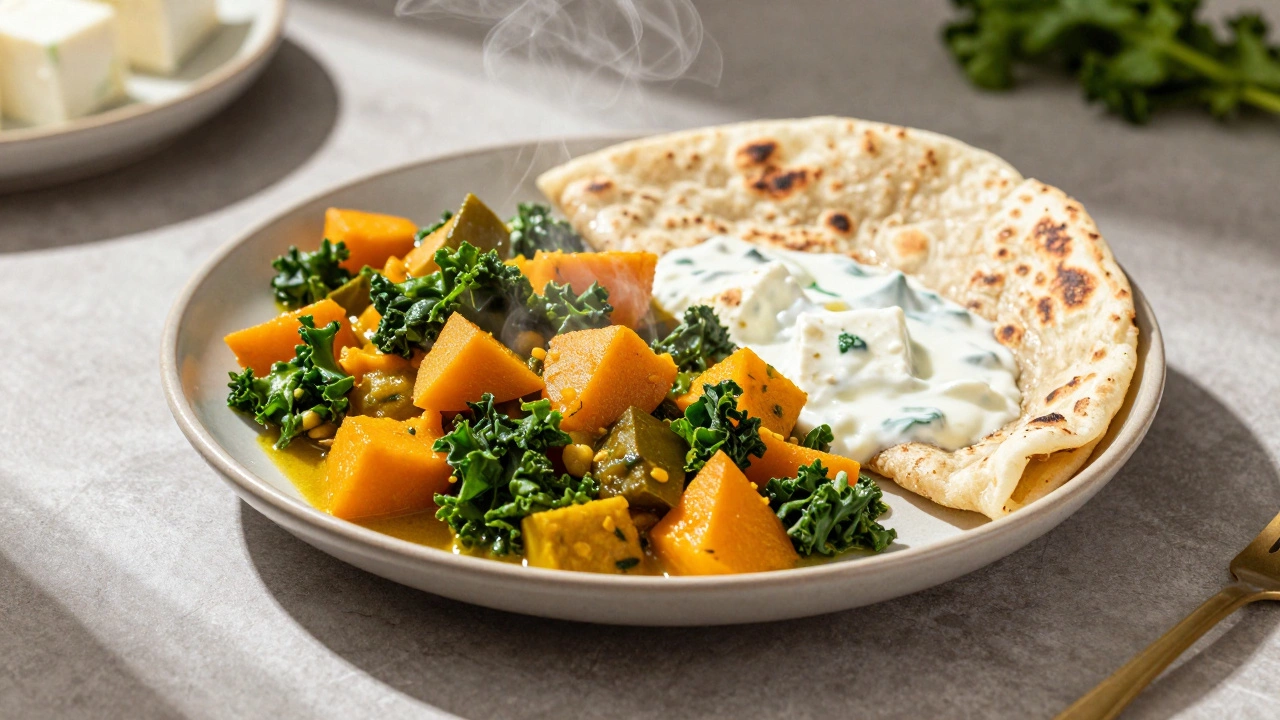
Instead of eating three plain rotis with a small portion of dal, try one roti with a large bowl of mixed vegetable curry and a side of paneer or chicken. Or, add a dollop of Greek yogurt. This combination lowers the overall glycemic load of the meal and keeps you full longer. In the UK, where winter salads can be uninspiring, a warm roti with roasted seasonal vegetables (like squash or kale) and hummus is a nutritious, comforting alternative to heavy pasta dishes.
Storage and Reheating Tips
Making rotis in bulk is efficient, but storage matters. Never store warm rotis in a sealed container; the steam turns them soggy and promotes mold growth. Let them cool completely before storing in an airtight container. They last up to 3 days in the fridge or 3 months in the freezer.
To reheat, avoid the microwave if possible, as it makes them chewy and rubbery. Instead, heat a dry tawa and warm them directly on the flame for 10 seconds on each side. This restores the crispness and texture, making them taste fresh again.
Is roti better than bread?
Yes, generally. Traditional whole wheat roti has no yeast, preservatives, or added sugars. It also has a higher fiber content than most store-bought whole wheat breads, which often contain refined flour blends. Roti is a simpler, less processed food.
Can I eat roti every day?
Yes, if you are not gluten-sensitive. Whole wheat roti is a staple food for billions of people and provides essential energy, fiber, and B vitamins. Just ensure you balance it with adequate protein and vegetables to avoid excessive carbohydrate intake.
Why does my roti turn hard after cooling?
Hard rotis are usually caused by under-kneading the dough or using too little water. Proper kneading develops gluten, which keeps the bread soft. Also, storing them while still warm traps steam, leading to sogginess followed by hardness. Cool them completely before storing.
Is paratha healthier than roti?
No. Parathas are typically stuffed with potatoes, cheese, or spices and are cooked with significant amounts of oil or ghee. This drastically increases the calorie and fat content compared to a plain, dry-cooked roti. Occasional indulgence is fine, but they are not a daily health food.
What is the best flour for weight loss?
While whole wheat is good, millets like jowar (sorghum), bajra (pearl millet), and ragi (finger millet) are superior for weight loss. They have higher fiber and protein content and a lower glycemic index, keeping you fuller for longer periods.