Indian Leftover Freshness Checker
Determine if your leftover Indian food is still safe to eat based on storage time and dish type.
It happens to the best of us. You order a massive box of Indian takeout or make a huge pot of curry for dinner, and suddenly you have three days' worth of meals sitting on your counter. But before you toss that leftover butter chicken into the trash because you're worried about it going bad, let's talk facts. The clock starts ticking the moment your food cools down, but exactly how much time do you actually have?
Living in Bristol, where the weather can be unpredictably damp and warm, I’ve learned the hard way that Indian food doesn't last forever in the fridge. Whether it’s a creamy dal, a spicy vindaloo, or sweet gulab jamun, understanding shelf life is crucial for both taste and health. Spoiled food isn't just gross; it can make you seriously ill. So, what are the real numbers? Let’s break it down by dish type so you never guess again.
The General Rule: 3 to 4 Days for Most Curries
For the vast majority of savory Indian dishes-think curries, stews, and gravies-the golden rule is three to four days. This applies to chicken tikka masala, vegetable korma, paneer butter masala, and lentil dals. Why this specific window? Because bacteria like Salmonella and E. coli can grow even at refrigerator temperatures, albeit slowly. After day four, the risk outweighs the reward, especially with dairy-heavy sauces.
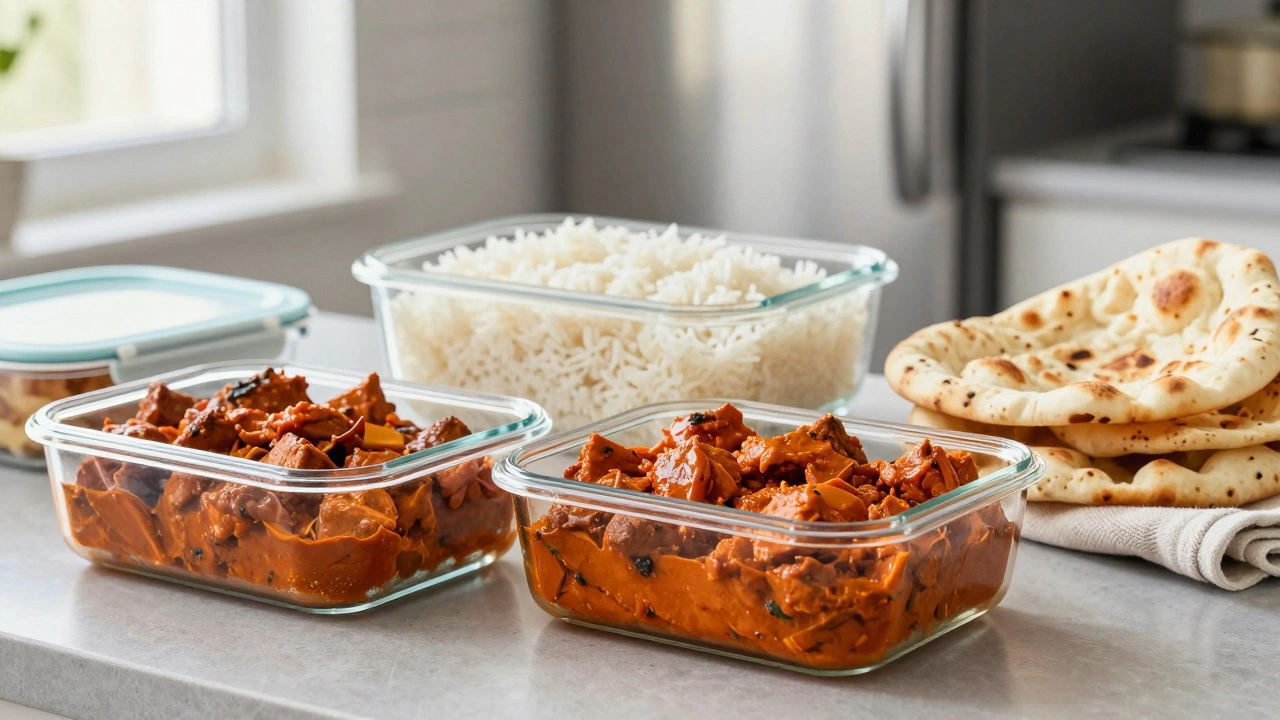
Dairy is the tricky part. Many Indian curries use cream, yogurt (dahi), or butter (ghee). While ghee is stable, fresh cream and yogurt can separate or sour faster than oil-based sauces. If your curry looks watery or smells slightly tangy after two days, trust your nose. It’s likely turning. To maximize freshness, store these dishes in airtight glass containers. Plastic can absorb odors and sometimes leach chemicals when heated repeatedly.
Rice and Biryani: The Moisture Trap
Rice is a different beast entirely. Plain steamed rice lasts about four to six days in the fridge if stored properly. However, biryani or pulao, which often contain meat, vegetables, and spices mixed directly into the grains, should follow the stricter three-day rule. Rice is notorious for harboring Bacillus cereus spores, which survive cooking and can multiply if the rice sits out too long before refrigerating.
Here’s a pro tip: Never leave cooked rice at room temperature for more than one hour. In Bristol’s humid summers, cut that to thirty minutes. Cool the rice quickly by spreading it out on a tray before sealing it. When reheating, ensure it’s piping hot all the way through-microwaving cold spots is a recipe for disaster. If the rice becomes sticky or slimy, throw it out immediately. No amount of heating will fix that texture or kill the toxins produced by bacteria.
Bread: Naan, Roti, and Paratha Shelf Life
Flatbreads like naan, roti, and paratha don’t last as long as you might think. Freshly made bread stays good for two to three days in an airtight container in the fridge. After that, they dry out and become brittle. The moisture inside the bread creates a perfect environment for mold, especially if there are any oily or buttery residues from cooking.
If you know you won’t eat the bread within two days, freeze it instead. Wrap individual pieces in cling film, then place them in a freezer bag. They’ll last up to three months. To revive frozen naan, brush it with a little water and pop it under the grill or in a hot pan for a minute. It’ll taste almost fresh. Avoid refrigerating bread for longer than three days unless you plan to freeze it, as the starch retrogrades and the texture suffers irreversibly.
Chutneys, Pickles, and Condiments
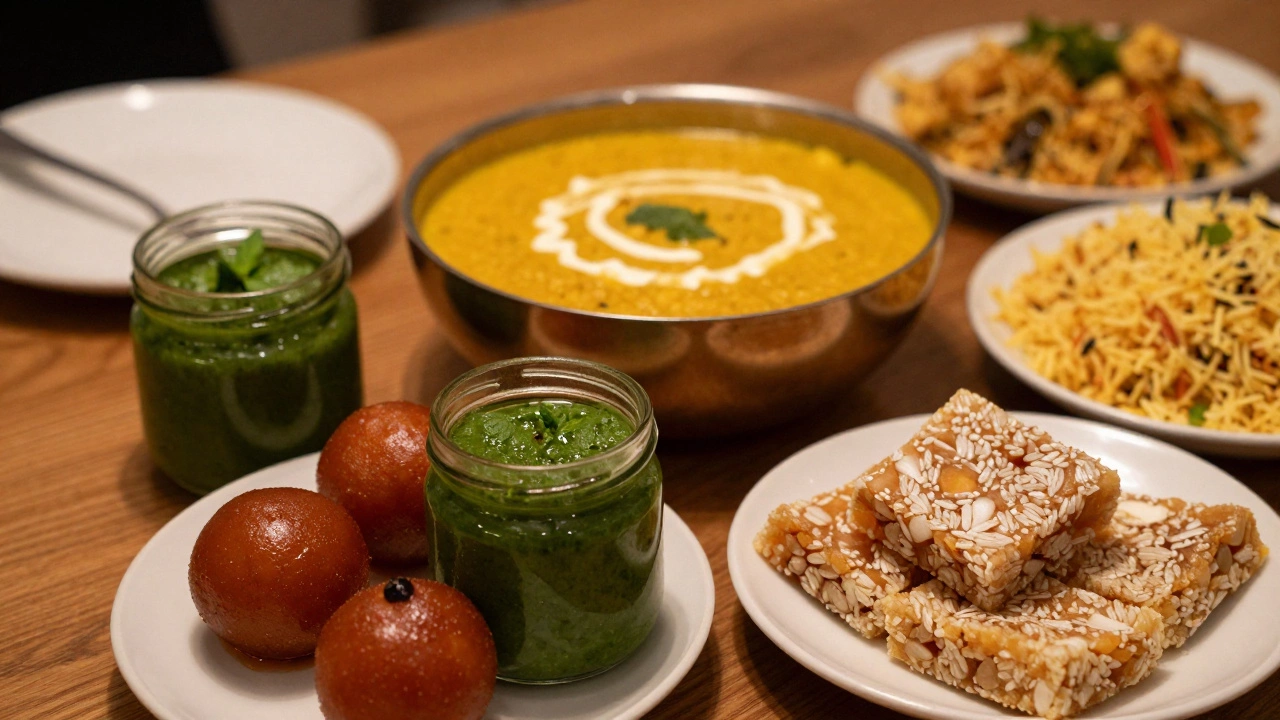
Condiments generally last longer due to their high acid or salt content. Homemade mint chutney or tamarind chutney can last one week in the fridge if stored in clean, dry jars. Commercial pickles (achar) often last months because of preservatives and vinegar. However, once opened, homemade pickles should be consumed within two to three weeks.
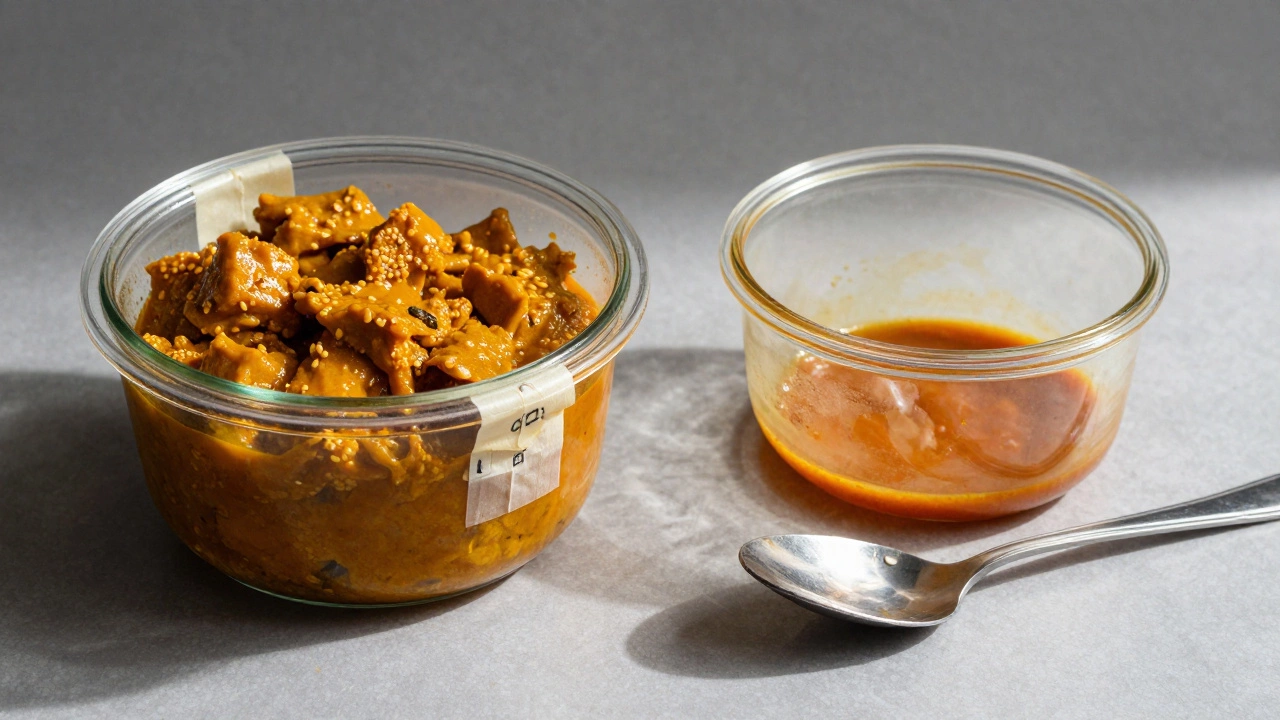
Watch for signs of fermentation beyond what’s intended. If your chutney bubbles or develops a white film on top, it’s gone bad. Always use a clean spoon to scoop out condiments to avoid introducing bacteria. Metal spoons can react with acidic ingredients, so wooden or plastic utensils are better for storage jars.
Indian Sweets: A Different Timeline
Since you mentioned interest in Indian sweets, this section is critical. Sweets vary wildly in shelf life based on ingredients. Milk-based sweets like rasgulla, rasmalai, or kheer last only 2 to 3 days in the fridge. The milk curds or custard base spoil quickly. Nuts and dried fruit toppings can also go rancid if not sealed tightly.
Sugar-based sweets like jalebi or barfi last longer-up to one week-because sugar acts as a preservative. However, they absorb moisture from the air, becoming soggy or sticky. Store them in airtight containers with a paper towel to absorb excess humidity. Fried sweets like gulab jamun or soan papdi can last up to 5 days if kept dry, but the syrup-soaked ones should be eaten within three days to prevent fermentation.
| Food Type | Average Shelf Life | Key Risk Factor |
|---|---|---|
| Chicken/Mutton Curry | 3-4 days | Bacterial growth in protein |
| Vegetable/Dal Curry | 3-4 days | Dairy separation/souring |
| Plain Rice | 4-6 days | Bacillus cereus spores |
| Biryani/Pulao | 3 days | Mixed ingredients spoilage |
| Naan/Roti | 2-3 days | Drying out/mold |
| Milk-based Sweets | 2-3 days | Milk spoilage |
| Sugar-based Sweets | 7 days | Moisture absorption |
Signs Your Leftovers Have Gone Bad
Your senses are your best tools. Sight, smell, and touch can tell you more than any calendar date. Look for these red flags:
- Smell: Any sour, fermented, or "off" odor means discard immediately. Fresh curry should smell like spices, not vinegar.
- Texture: Slimy surfaces on meat or vegetables indicate bacterial slime. Sticky rice or hardened sweets are also warning signs.
- Color: Discoloration, such as greenish hues in meats or dark spots in sweets, signals mold or oxidation.
- Taste: If it tastes weird, spit it out. Don’t risk a small bite to "check."
When in doubt, throw it out. Hospital bills cost far more than a takeaway meal.
Proper Storage Techniques to Extend Freshness
How you store leftovers matters as much as how long you keep them. Here’s how to do it right:
- Cool Quickly: Don’t put hot food directly in the fridge. It raises the internal temperature, endangering other foods. Let it cool to room temperature (no more than 1-2 hours) before refrigerating.
- Airtight Containers: Use glass or BPA-free plastic containers with tight lids. This prevents cross-contamination and odor transfer.
- Label and Date: Write the date on the container with a marker. This stops the "what is this?" mystery game later.
- Separate Components: If possible, store rice separately from curry. Mixing them speeds up spoilage due to moisture exchange.
- Reheat Thoroughly: Heat leftovers to 165°F (74°C) internally. Use a food thermometer if unsure. Steam reheating preserves texture better than microwaving.
Freezing: The Best Friend of Leftovers
If you know you won’t eat leftovers within three days, freeze them. Most Indian curries, dals, and even some sweets freeze well for 2 to 3 months. Dairy-based sauces may separate upon thawing, but stirring vigorously while reheating usually fixes this. Add a splash of water or cream to restore consistency.
Portion control is key. Freeze in single-serving sizes so you only thaw what you need. Label bags with contents and date. Avoid freezing bread unless wrapped individually, as it can become freezer-burned quickly.
Can I eat Indian food left out overnight?
No, it is not safe. The USDA recommends discarding perishable food left at room temperature for more than two hours. In warmer conditions (above 90°F/32°C), reduce this to one hour. Bacteria multiply rapidly in the "danger zone" between 40°F and 140°F (4°C-60°C).
Does reheating kill all bacteria in leftovers?
Reheating kills most active bacteria, but it does not destroy heat-resistant toxins produced by bacteria like Staphylococcus aureus or Bacillus cereus. These toxins can cause food poisoning even after cooking. Proper storage prevents toxin formation.
How long do Indian sweets last in the fridge?
Milk-based sweets like rasgulla last 2-3 days. Sugar-based sweets like barfi last up to a week. Fried sweets soaked in syrup last 3-5 days. Always store in airtight containers to prevent moisture absorption and mold growth.
Is it okay to refreeze thawed Indian food?
Technically yes, if the food was thawed in the fridge and hasn't been left out. However, quality degrades significantly with each freeze-thaw cycle. Texture becomes mushy, and flavors dull. It’s better to portion before freezing initially.
Why does my curry smell sour after one day?
Sour smells indicate bacterial fermentation, often from dairy components like cream or yogurt. Even if the food looks fine, discard it. Some spices can mimic sourness, but true spoilage has a sharp, unpleasant odor distinct from spice aromas.