
Egg Safety Checker
Enter details to assess egg safety.
You’re standing in a local kirana store or a bustling vegetable market in Mumbai, Delhi, or Chennai. You pick up a tray of eggs. They look fine. Maybe they’ve been sitting out in the heat for hours. Do you trust them? This is a question every Indian household wrestles with at some point. Eggs are a staple protein source for millions, yet concerns about salmonella contamination, improper storage, and adulteration often linger in the back of our minds.
The short answer? Yes, eggs are generally safe in India if you know what to look for and how to handle them. But "generally" is doing a lot of heavy lifting here. The safety of your breakfast depends heavily on where you buy them, how they’re stored, and-crucially-how you cook them. Let’s break down exactly what you need to know to keep your family safe without giving up this affordable superfood.
The Real Risks: Salmonella and Bacterial Load
When we talk about egg safety globally, the primary villain is Salmonella Enteritidis. This bacterium can live inside the egg before the shell even forms. It’s not just about dirty shells; it’s about internal contamination. In India, the risk profile is slightly different due to climate and supply chain realities.
In cooler countries like the UK or Canada, eggs are often washed and refrigerated immediately. In many parts of India, eggs travel from farm to truck to warehouse to shop without consistent cold chains. High ambient temperatures accelerate bacterial growth. If an egg sits at 30°C (86°F) for a day, bacteria multiply rapidly compared to one kept at 4°C (39°F). This doesn’t mean every egg is dangerous, but it means the margin for error is smaller.
Another factor is hygiene standards in poultry farms. While large organized brands adhere to stricter biosecurity measures, unorganized sectors may have variable conditions. This variance is why brand reputation matters more in India than in places with tighter regulatory enforcement across all producers.
Buying Smart: How to Spot Fresh, Safe Eggs
Your first line of defense is selection. Don’t just grab the top tray because it’s convenient. Inspect them. Here is what you should actually check:
- Shell Integrity: Avoid cracked or sticky eggs. Cracks allow bacteria from the outside to enter the sterile interior. If an egg feels wet or slimy, skip it.
- Cleanliness: Some dirt is normal, but excessive fecal matter increases surface bacteria load. If you see poop, ask for a cleaner batch or choose a branded pack.
- Temperature Check: Touch the eggs. Are they hot from sitting in direct sunlight? Warm eggs degrade faster. Choose those stored in the shade or indoors.
- Expiry Date: Always check the packaging date. Unbranded loose eggs often lack this info. For loose eggs, try the float test later at home.
Should you buy branded or loose eggs? Branded eggs from companies like Venky’s, Suguna, or Country Delight usually offer better traceability and quality control. They are less likely to have hidden cracks or severe contamination. Loose eggs from a trusted local vendor can be fresh and cheap, but you take on more risk regarding storage history.
To Wash or Not to Wash? The Indian Context
This is where cultural habits clash with food science. Many Indian households wash eggs under running water right before cracking them. Others wash them upon bringing them home. What’s correct?
If you buy unwashed, farm-fresh eggs, washing them removes the natural protective cuticle (bloom). Once that bloom is gone, the porous shell becomes vulnerable to absorbing water-and any bacteria in that water-into the egg. Therefore, if you wash your eggs, use them immediately. Do not wash them and then put them back in the fridge or basket.
However, in India, where eggs might carry visible dirt or fecal traces, washing is often necessary for hygiene. The key rule: wash only when ready to cook. Use warm water (not cold, which can suck contaminants in through pressure changes) and dry them thoroughly. Never soak eggs.
Cooking Methods That Guarantee Safety
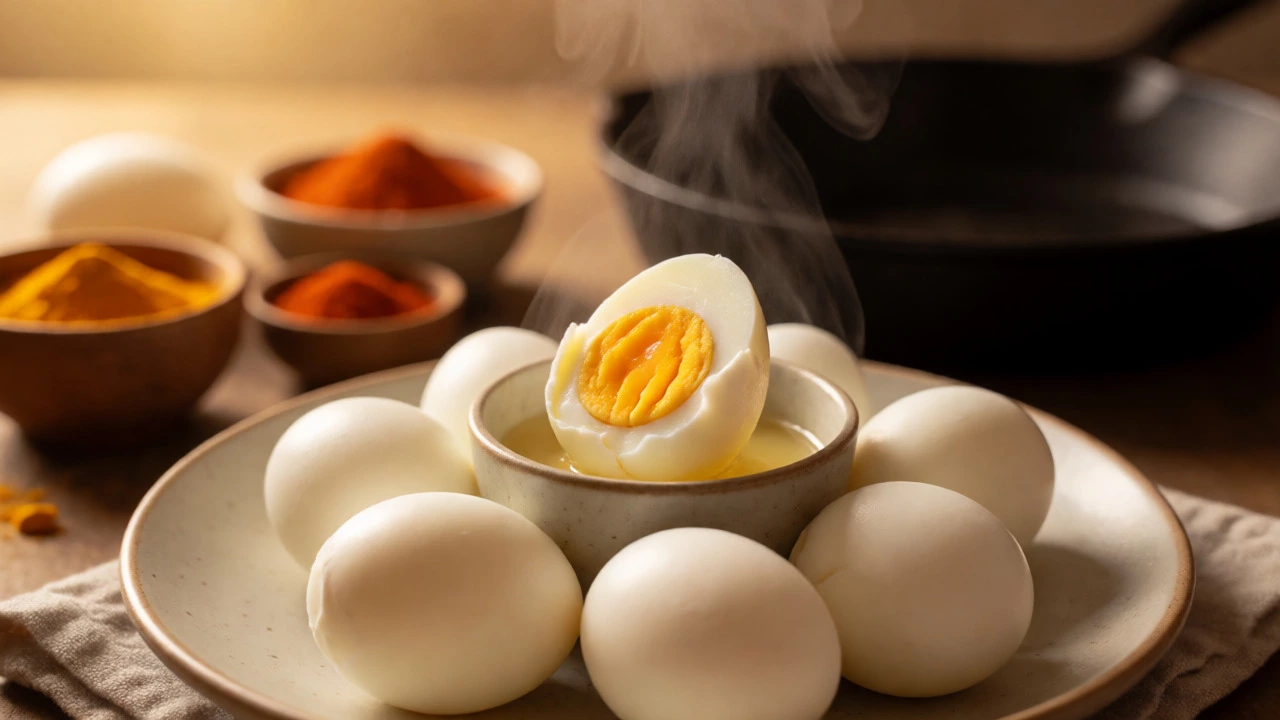
Heat is the ultimate killer of pathogens. To kill Salmonella, the center of the egg needs to reach 71°C (160°F). Here’s how different preparations stack up against safety risks:
| Preparation | Safety Level | Why? |
|---|---|---|
| Hard-Boiled | Very High | Internal temperature exceeds 71°C throughout. Shell protects during cooking. |
| Fried (Well-Done) | High | Direct heat kills surface and internal bacteria if yolk is firm. |
| Scrambled/Omelette | Moderate-High | Safe if fully cooked. Risk remains if runny/partially set. |
| Poached/Sunny-Side Up | Moderate | Yolk may remain raw. Higher risk for vulnerable groups. |
| Raw (Shake/Marination) | Low | No heat treatment. Only use pasteurized or ultra-fresh trusted eggs. |
For children, pregnant women, elderly people, or anyone with a compromised immune system, stick to well-cooked eggs. Soft-boiled eggs are delicious but carry a higher residual risk if the white isn’t fully set. In Indian curries, ensure the gravy simmers long enough to penetrate the egg pieces if you’re using boiled eggs as an ingredient.
Storage Secrets for Hot Climates
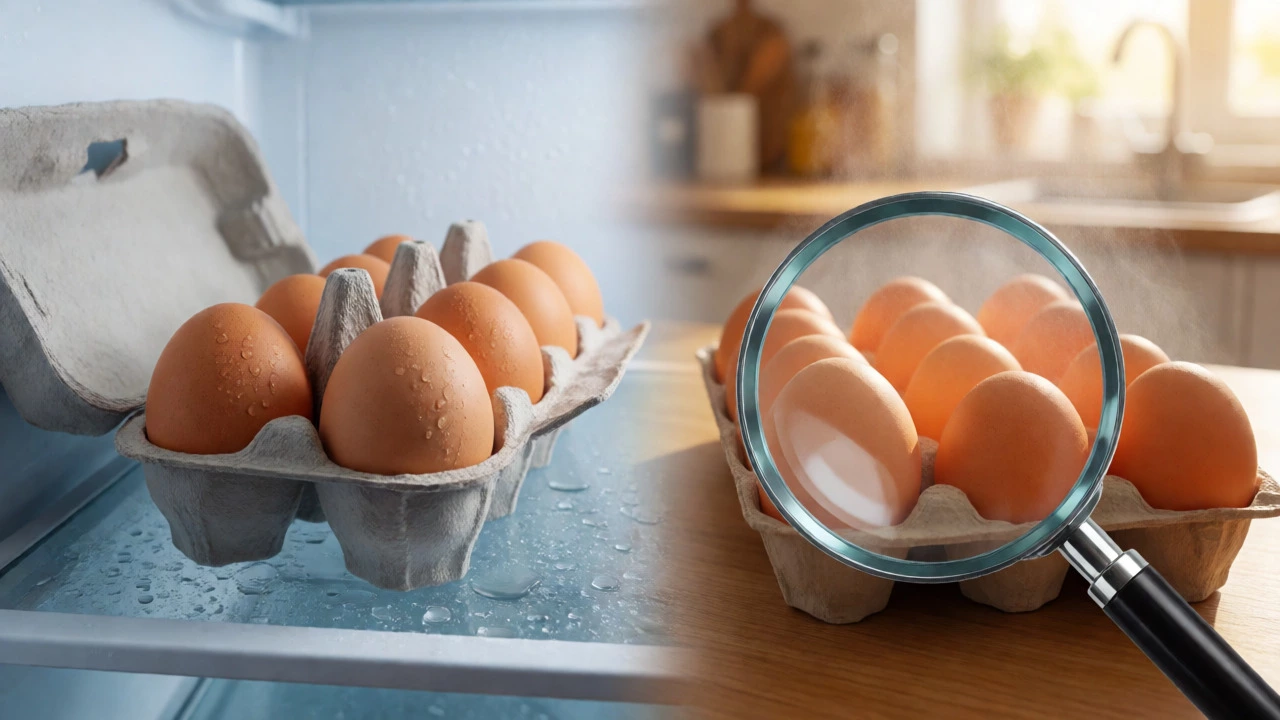
If you live in a region with high humidity and heat, room-temperature storage is risky after a few days. While traditional advice says eggs last weeks on the counter, modern commercial eggs benefit from refrigeration. Why? Because fluctuations in temperature cause condensation on the shell, which promotes mold and bacterial entry.
Store eggs in their original carton on a shelf, not in the door. The door is the warmest part of the fridge and subject to temperature swings every time you open it. Keep them away from strong-smelling foods like onions or fish; eggs absorb odors easily through their porous shells.
How long do they last? Refrigerated, most eggs stay good for 3-5 weeks from purchase. At room temperature in summer, aim to consume them within 7-10 days. When in doubt, crack one into a bowl first. If it smells sulfurous or looks watery/cloudy, toss it.
Adulteration: Is Your Egg Fake?
Urban legends abound about plastic eggs or chemically treated yolks. While rare, adulteration happens. Sometimes, farmers add dyes to feed to make yolks appear deeper orange, mimicking free-range quality. This isn’t necessarily unsafe, but it’s misleading.
Genuine fake eggs made entirely of chemicals are uncommon in mainstream markets today due to cost-effectiveness of real poultry farming. However, always inspect the yolk color consistency. An unnaturally uniform, bright red-orange yolk in cheap eggs might indicate synthetic coloring. Natural variation between eggs is a sign of authenticity.
Vulnerable Groups: Extra Precautions
Not everyone processes bacteria the same way. If you’re feeding toddlers, remember that their digestive systems are still developing. Ensure scrambled eggs are fluffy and fully set, not creamy. For pregnant women, listeria and salmonella pose risks to the fetus. Avoid raw egg-based desserts like mousse or homemade ice cream unless made with pasteurized eggs.
Diabetics and the elderly also face higher complication rates from foodborne illnesses. When eating out at street stalls, observe the oil quality and cooking temperature. If the oil is dark and reused excessively, the heat transfer might be uneven, leaving pockets of undercooked egg.
The Verdict
So, are eggs safe in India? Absolutely. Millions eat them daily without issue. The key is respecting the biological reality of the product. Treat eggs as perishable, sensitive items. Buy from reputable sources, store them cool, wash them just before use, and cook them thoroughly. By taking these small steps, you eliminate nearly all preventable risks while enjoying one of the most nutritious and versatile ingredients in Indian cuisine.
Is it safe to eat half-boiled eggs in India?
Half-boiled eggs are popular, especially in South India, but they carry a higher risk of Salmonella because the yolk remains partially raw. For healthy adults, the risk is low if the eggs are fresh. However, children, pregnant women, and the elderly should opt for fully cooked eggs to minimize health risks.
Do I need to refrigerate eggs bought from a local shop?
In India's hot and humid climate, yes. While eggs can technically sit at room temperature for a short period, refrigeration significantly slows bacterial growth and extends shelf life. Store them in the main body of the fridge, not the door, to maintain a consistent temperature.
How can I tell if an egg has gone bad?
The smell test is the most reliable method. Crack the egg into a separate bowl before adding it to your dish. A bad egg will have a distinct sulfur-like odor. Visually, if the white is very thin and watery or the yolk breaks apart easily, the egg is old. You can also perform the float test: place the egg in a bowl of water; if it floats, it’s likely spoiled.
Are brown eggs healthier than white eggs in India?
No, there is no significant nutritional difference between brown and white eggs. The shell color depends on the breed of the hen, not its diet or living conditions. Brown eggs are often more expensive in India due to larger breeds requiring more feed, but the protein and vitamin content are virtually identical.
Can I eat raw eggs in my shake?
Consuming raw eggs carries a risk of Salmonella infection. If you enjoy egg shakes, use pasteurized eggs or ensure the eggs are extremely fresh and from a highly trusted source. Heating the milk sufficiently can help reduce risk, but it won't sterilize the raw egg mixed in at the end. Cooking the egg into a custard-style base is safer.