Indian Sweet & Etiquette Guide
Explore the Tradition
Select a region to find the perfect sweet gift, or choose an occasion to learn the proper etiquette.
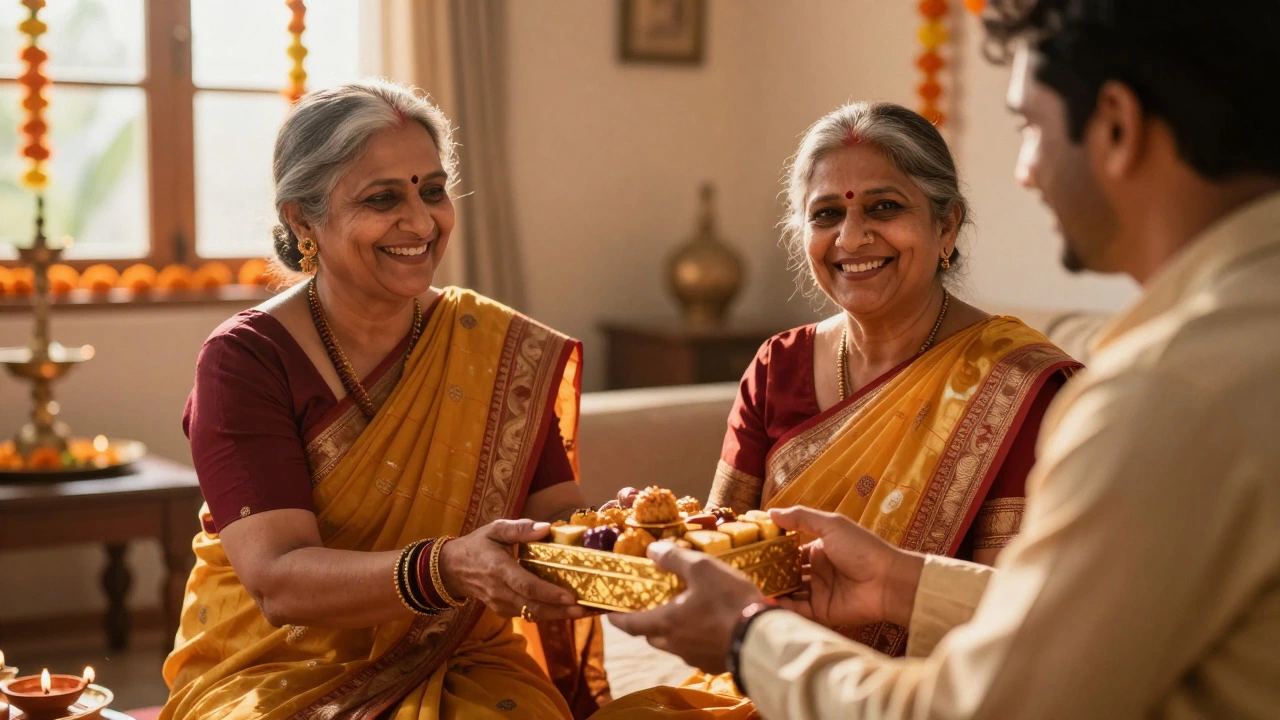
Have you ever walked into an Indian home during a wedding or a festival and been handed a box of sticky, sugary treats before you even had a chance to say hello? It’s a moment that can feel both warm and slightly confusing if you aren’t familiar with the custom. You might wonder: Why sweets? Why not a handshake, a hug, or perhaps a savory snack?
The answer isn’t just about sugar. In Hindu culture, giving sweets-known collectively as mithai-is one of the most powerful ways to communicate love, respect, and blessing. It is a language of its own, spoken through taste rather than words. From the bustling streets of Mumbai to quiet villages in Kerala, this tradition binds communities together.
The Symbolism of Sweetness in Hindu Philosophy
To understand why Hindus give sweets, you first have to look at what sweetness represents in their worldview. In Hindu philosophy, life is often described as a mix of experiences-some bitter, some sour, but ultimately aimed at achieving a state of bliss or peace. Sweets symbolize the good parts of life: joy, prosperity, and divine grace.
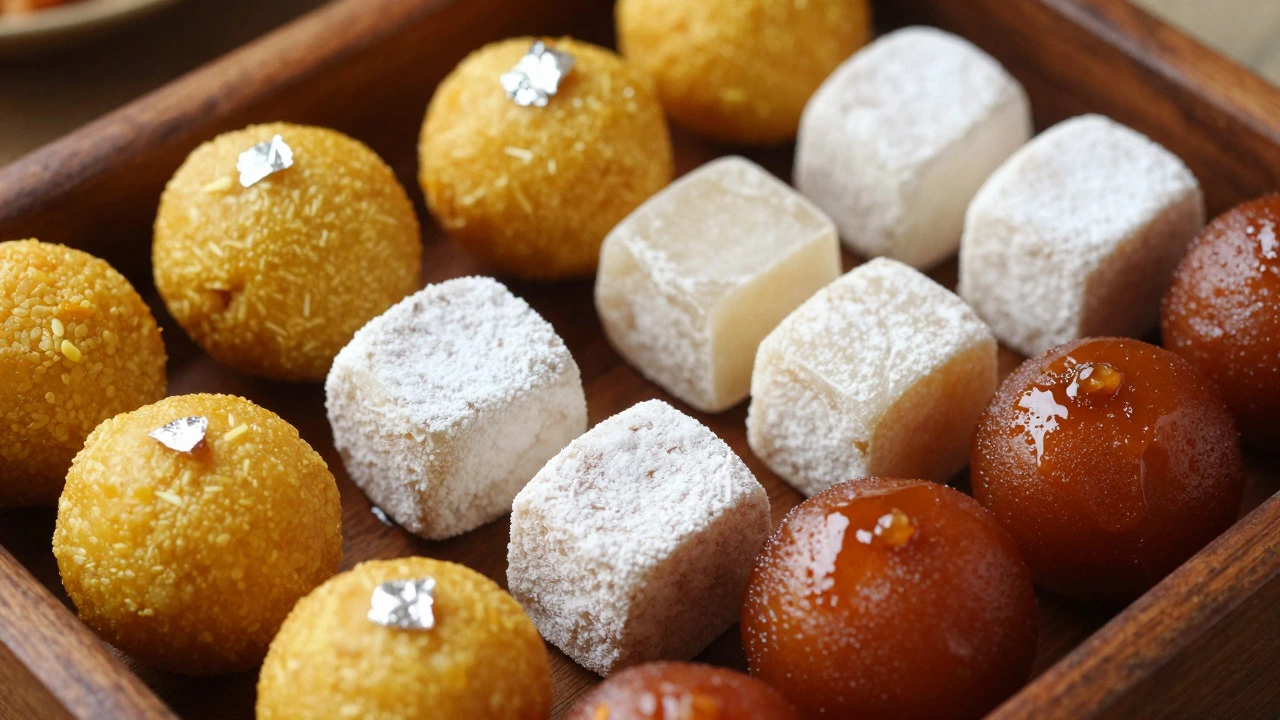
When someone offers you Ladoo, which are round, ball-shaped sweets made from flour, semolina, or chickpea flour, they are essentially saying, “May your life be sweet.” It’s a prayer disguised as a dessert. The round shape of many traditional sweets also matters; it represents completeness and the cyclical nature of time, much like the sun or the moon.
This concept goes back thousands of years. Ancient texts describe offerings of honey, jaggery, and fruits to deities as a way to please them. Over time, these offerings trickled down to human interactions. If the gods enjoy sweetness, then sharing sweetness among people creates a sacred bond. It turns a simple social interaction into something spiritual.
Sweets as a Universal Language of Celebration
In India, almost every significant life event is marked by the distribution of sweets. This isn’t random; it serves specific social functions. Let’s break down the major occasions where you’ll see boxes of Barfi, a dense, fudge-like sweet made from condensed milk, sugar, and flavorings like cardamom or pistachio being passed around.
- Weddings: When a couple gets married, families exchange boxes of sweets. This signifies the union of two families, not just two individuals. The sweetness represents the hope for a harmonious and joyful marriage.
- Births and Naming Ceremonies: After a baby is born, parents distribute sweets to neighbors and relatives. This announces the new arrival and shares the family’s happiness. It’s a way of inviting the community to bless the child.
- Festivals: During Diwali (the Festival of Lights), Holi (the Festival of Colors), and Eid (celebrated by Muslim neighbors as well), sweets are exchanged between homes. This strengthens neighborhood ties and promotes communal harmony.
- Religious Rituals: After performing a puja (prayer ritual) at a temple or home altar, the food offered to the deity becomes Prasad, which is sanctified food that has been offered to a god and is now blessed. Distributing prasad ensures that everyone present receives a share of that divine blessing.
You don’t need to be religious to participate. Even secular families in urban areas like Bangalore or Delhi continue this tradition because it feels right. It’s a tangible way to mark a milestone.
The Social Contract of Mithai
Giving sweets is also deeply rooted in hospitality. In Indian culture, a guest is considered equivalent to God (Atithi Devo Bhava). When you visit someone’s home, offering them something to eat is mandatory. But why sweets specifically?
Savory foods can be tricky. Someone might have dietary restrictions, allergies, or simply prefer spicy over mild. Sweets, however, are generally universally accepted as a treat. They are seen as special, not everyday fare. By offering sweets, the host elevates the status of the guest. It says, “You are important enough for us to spend money on premium ingredients like saffron, ghee, and almonds.”
There’s also an economic aspect. Historically, making high-quality sweets required expensive ingredients. Jaggery (unrefined cane sugar), pure ghee (clarified butter), and nuts were luxury items. Giving them away was a display of generosity and wealth. Today, while sweets are more affordable, the gesture still carries weight. A box of homemade Gulab Jamun, which are deep-fried dough balls soaked in rose-scented sugar syrup shows effort and care, whereas store-bought packets might feel impersonal.
Common Types of Sweets Given in Different Regions
India is incredibly diverse, and so are its sweets. What you receive depends heavily on where you are. Here is a quick guide to what you might encounter:
| Region | Popular Sweet | Key Ingredients | Occasion |
|---|---|---|---|
| North India | Kaju Katli | Cashew paste, sugar, ghee | Diwali, Weddings |
| West India (Maharashtra/Gujarat) | Motichoor Ladoo | Gram flour pearls, sugar syrup | Ganesh Chaturthi, Birthdays |
| South India | Pongal / Payasam | Rice, moong dal, jaggery, cashews | Pongal Festival, Temple Visits |
| East India (Bengal/Odisha) | Rosogolla | Cottage cheese (chenna), sugar syrup | Durga Puja, General Gifting |
Notice how each region uses local staples. North India loves nuts and dairy. South India leans toward rice, lentils, and jaggery. East India specializes in cottage cheese-based sweets. This regional pride means that when you give a sweet from your hometown, you’re also sharing a piece of your identity.
How to Accept and Return the Gesture
If you’re visiting an Indian home, knowing how to handle the sweet exchange is crucial. It’s not just about eating; it’s about etiquette.
- Accept with both hands: This shows respect. Taking the box with one hand can seem casual or dismissive.
- Don’t refuse immediately: Refusing a gift can be seen as rejecting the relationship. It’s better to accept graciously and perhaps save it for later if you’re full.
- Reciprocate: If you are invited to a house for a celebration, it is customary to bring a small box of sweets or dry fruits as a return gift. This balances the social ledger.
- Eat with your right hand: If the sweets are served directly on a plate without utensils, use your right hand. The left hand is traditionally considered unclean.
Also, pay attention to who eats first. Usually, elders or guests of honor take the first bite. This reinforces hierarchy and respect within the group.
Modern Challenges: Health vs. Tradition
In recent years, the tradition of giving sweets has faced scrutiny due to rising health concerns. Diabetes and obesity rates are climbing in India, leading many families to rethink their habits. Does the tradition survive in a health-conscious world?
Yes, but it’s evolving. Many modern households are opting for smaller portions. Instead of large boxes of heavy cream-filled sweets, you might find individual servings of fruit-based desserts or low-sugar alternatives using stevia or jaggery instead of refined white sugar. Some families even give dried fruits, nuts, or chocolates as substitutes.
However, the core impulse remains unchanged. People still want to share joy. The medium may shift from calorie-dense mithai to healthier options, but the act of giving persists because it fulfills a deep emotional need. It’s less about the sugar content and more about the connection it fosters.
Conclusion: More Than Just Sugar
So, why do Hindus give sweets? Because in a complex, fast-paced world, a small box of Halwa, a pudding-like dessert made from semolina, flour, or vegetables, cooked with sugar and spices is a simple, universal token of goodwill. It bridges gaps between generations, religions, and social classes. It transforms strangers into friends and acquaintances into family.
Next time you’re offered a sweet in an Indian household, don’t just think about the calories. Think about the centuries of culture, the prayers for your happiness, and the desire to connect that went into that small, sugary gesture. Eat it slowly, savor the taste, and appreciate the sentiment behind it.
Can non-Hindus give and receive sweets in India?
Absolutely. The tradition of exchanging sweets is not exclusive to Hindus. Muslims, Christians, Sikhs, and Jews in India all participate in this custom. It is a pan-Indian cultural norm that transcends religious boundaries, serving as a universal sign of friendship and celebration.
Is it rude to refuse sweets?
It can be perceived as slightly rude or distant if refused outright, especially during festivals or weddings. However, if you have dietary restrictions like diabetes, it is perfectly acceptable to politely decline after accepting the gesture verbally. Hosts are usually understanding and will appreciate your honesty.
What is the difference between Prasad and regular sweets?
Regular sweets are made for consumption and enjoyment. Prasad, on the other hand, is food that has been offered to a deity during a prayer ritual. Once offered, it is believed to be blessed by the divine. Eating prasad is considered a spiritual act, bringing peace and merit to the eater.
Do I need to bring sweets when visiting an Indian friend's house?
While not strictly mandatory for casual drop-ins, it is highly appreciated and considered good manners to bring a small gift. A box of sweets, chocolates, or dry fruits is the standard choice. It shows thoughtfulness and respects the host's hospitality.
Why are sweets always given in boxes?
Sweets are often delicate and can stick to hands or get crushed. Boxes provide hygiene, protection, and portability. Additionally, beautifully decorated boxes add to the festive aesthetic, making the gift feel more special and presentation-ready for celebrations.